
Last updated November 14, 2026
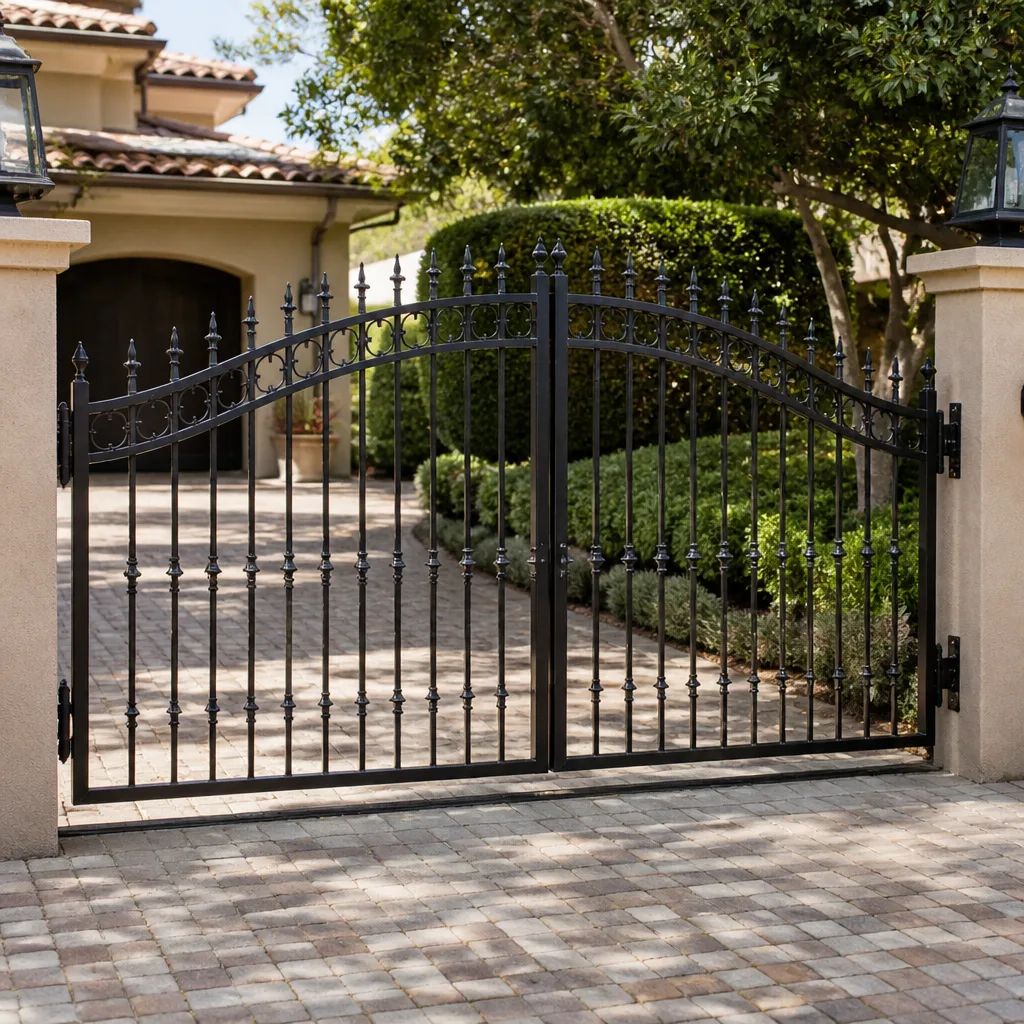 Wrought iron
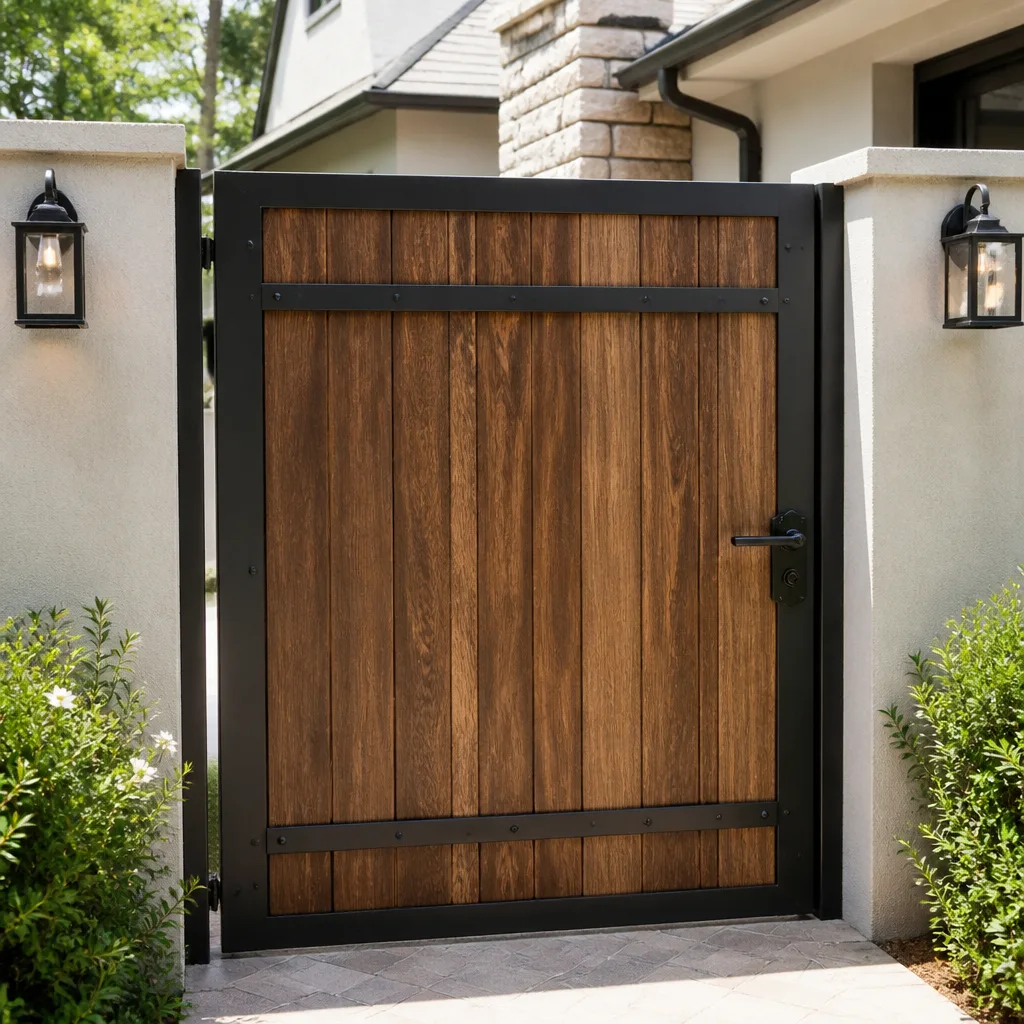 Wood & steel frame
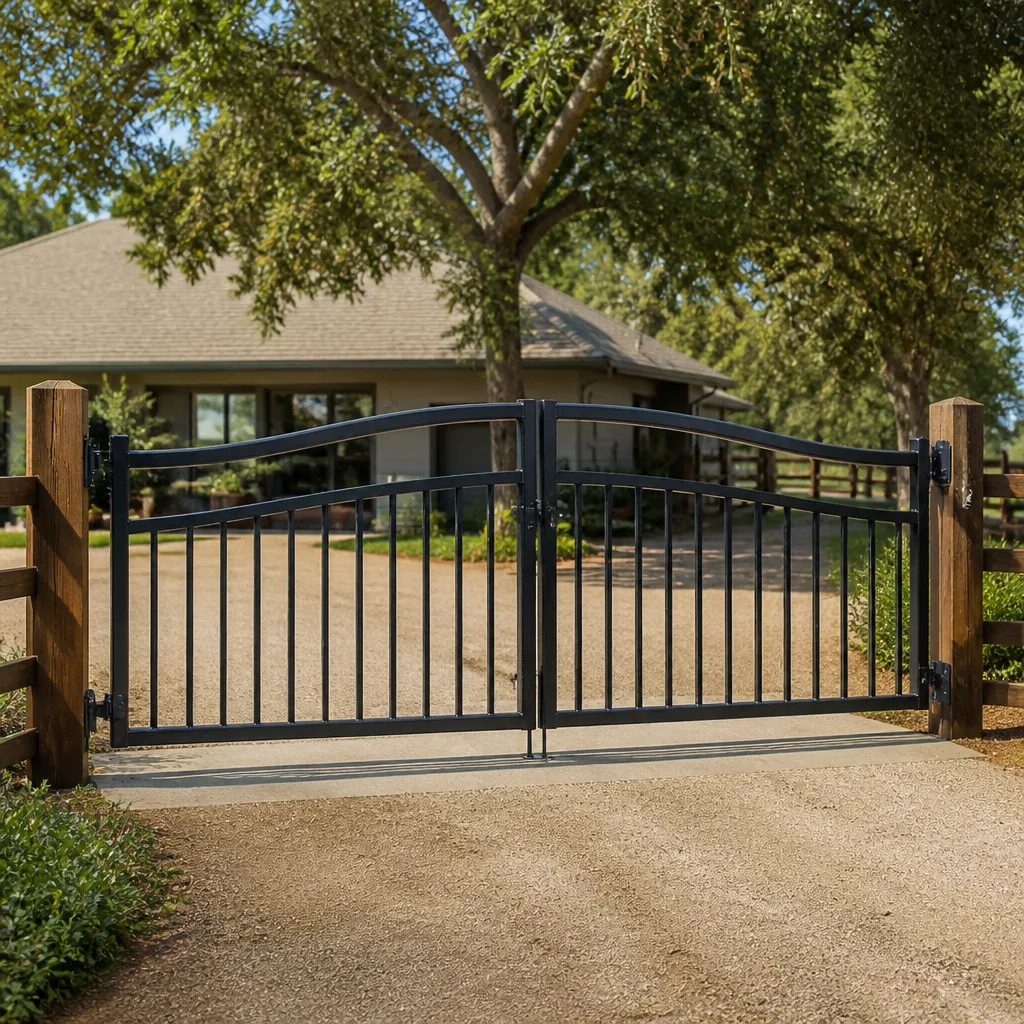 Farm & ranch
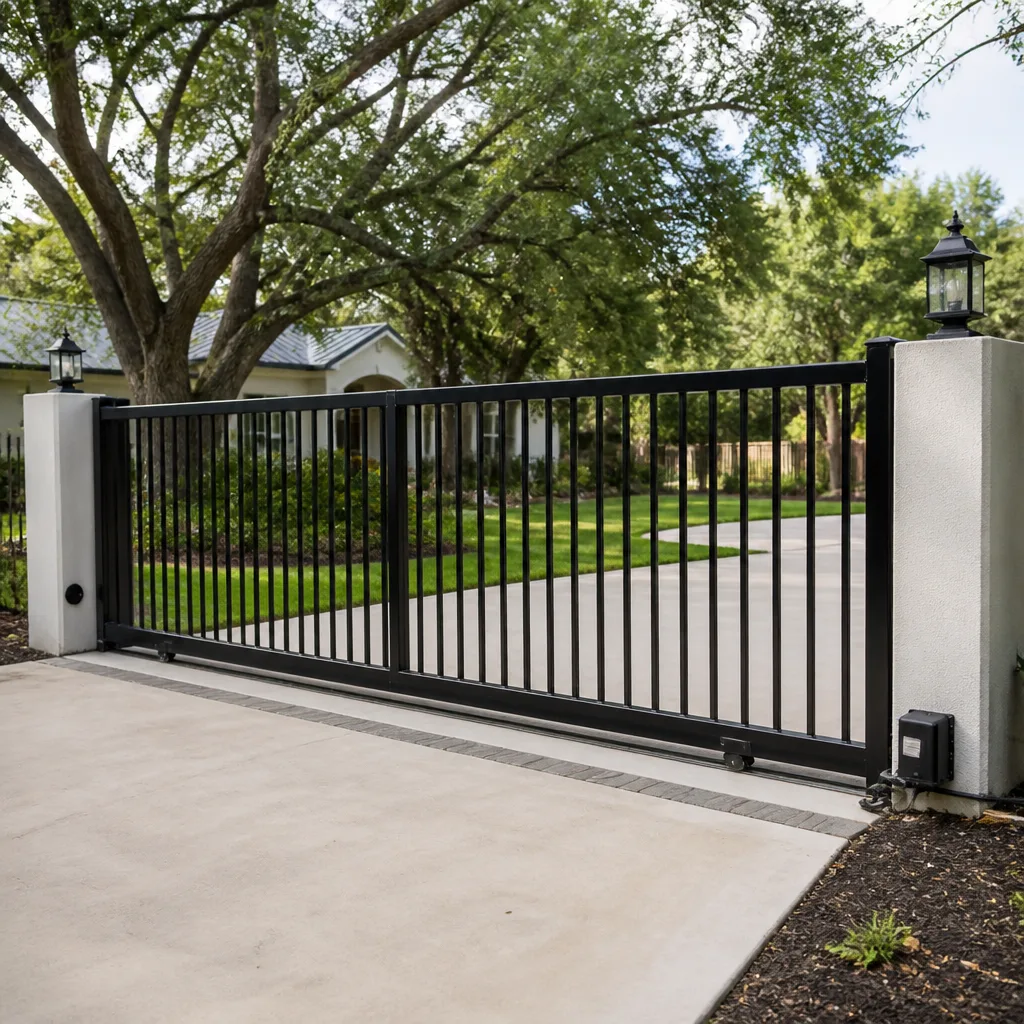 Sliding driveway gates
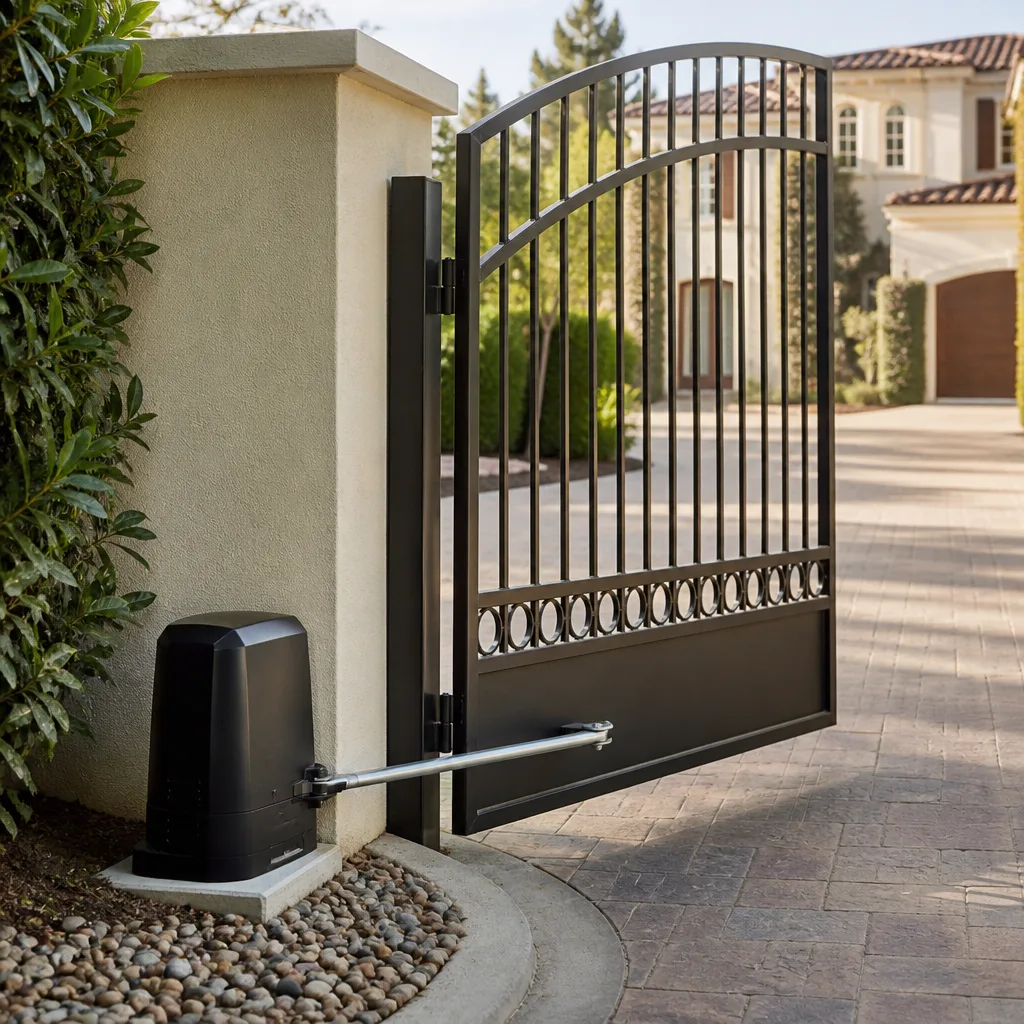 LiftMaster operators
Free on-site gate assessment - hinges, posts, and your LiftMaster or Nice gate operator checked before anything is quoted
The assessment is free and the quote is the invoice.
Get your free estimateThe Complete Guide to Gate Repair in Rochester
The wrong diagnosis is the most expensive gate repair you’ll ever pay for. In Rochester, a gate that “won’t open” can mean anything from a dead battery to a failed logic board to a loose hinge putting the whole mechanism in a bind, and the symptoms of each look nearly identical from the driver’s seat. The real culprit is often the simplest one: a limit switch packed with road-salt residue, telling the operator the gate is somewhere it isn’t. This guide maps how gate failures actually chain together in Rochester’s climate, so you can describe the problem precisely, ask the right questions, and avoid paying for a repair that doesn’t fix anything.
Quick Answer
Gate repair in Rochester fixes the specific part that failed, not the symptom it created. A single worn hinge, a corroded ground wire, or a limit switch thrown out of adjustment will make a gate look electrically dead when the real problem is mechanical. Because our freeze-thaw winters drive a predictable sequence of failures, the fastest path to a lasting repair is diagnosing by system: which brand, which operator, which moving part, and which environmental stressor started the chain.
Styles & brands we work with
- Wrought iron
- Wood & steel frame
- Farm & ranch
- Sliding driveway gates
- LiftMaster operators
Table of Contents
- Why Gates Fail Differently in Rochester
- How to Diagnose Your Gate Before You Call
- Electrical vs. Mechanical vs. Structural Failures
- Why Multi-Brand Expertise Matters
- Repair or Replace? The Decision Tree
- Documenting Your Gate System Before It Breaks
- Safety: What Not to Touch
- What Gate Repair Costs and How to Avoid Overspending
Why Gates Fail Differently in Rochester
Rochester’s freeze-thaw cycle is a gate’s worst enemy, and the damage compounds over one winter rather than happening all at once. Water gets into a pivot, a hinge, or a ground connection during a thaw, then expands when the temperature drops again. Each freeze pushes metal slightly out of alignment. Do that a few dozen times between November and March, and a gate that worked perfectly in the fall opens with a groan in the spring.
The sequence is predictable. After the first hard freeze and the first road-salt applications, we see this order of failure:
- Ground connection corrosion. Salt-laden snowmelt creeps into the low-voltage grounding point first. The gate loses a reliable reference, and the operator starts behaving erratically or refusing to start.
- Hinge and pivot wear. Repeated freezing of moisture in the joint pushes out lubricant and widens clearance. The gate now sags slightly, and the operator fights that sag on every cycle.
- Limit switch drift. Road-salt film and ice bridge the switch contacts. The operator no longer knows where the gate is, so it reverses, short-cycles, or stops mid-travel.
- Motor and gear strain. Only now, last, does the operator itself take real damage from working against a gate that’s been slowly seizing for weeks.
By the time a homeowner notices, the street-level symptom is electrical, but the root cause often started in a hinge weeks earlier. That’s the compounding problem in a Rochester gate. Fix the switch and skip the hinge, and you’ll be calling again by the next freeze.
How to Diagnose Your Gate Before You Call
You don’t need to repair anything to be a much better diagnostician. The point of walking through a few checks is to hand your technician accurate information, which shortens diagnosis and reduces the chance of a wrong part being ordered. Here’s how to build a clear picture before picking up the phone:
- Isolate electrical from mechanical. Disconnect the operator from power and try to move the gate by hand through its full swing or slide. It should move smoothly with some resistance. If it grinds, catches, or won’t travel freely, you have a mechanical problem masking everything else.
- Watch the full cycle. Open and close the gate and note exactly where it misbehaves: at the start, mid-travel, at the end stops, or only on the return. End-stop failures point to limit switches; mid-travel stalls point to motors or gears.
- Check the simple power path first. Confirm the breaker hasn’t tripped and the transformer or battery backup is functional if your system has one. Often the most dramatic symptom has the dullest cause.
- Listen and look. A click with no movement suggests a control or safety-circuit problem. A hum with slow movement suggests mechanical strain. A beep pattern is often a specific fault code from your operator’s manual.
- Note the safety devices. If the gate only fails when an object or person is near a photo-eye or safety edge, the fault may be a misaligned sensor, not the operator.
Write down your brand and model while you’re doing this, and keep it with the notes. If you can’t reach the operator housing safely, stop there and let a professional handle it. For a full breakdown of what our team can address on-site, see gate repair.
Electrical vs. Mechanical vs. Structural Failures
This is the single most useful distinction for a Rochester homeowner, because the three categories look the same from the driveway and get misdiagnosed constantly. A gate that won’t close at all might have a dead motor, a seized hinge, or a post that’s leaning enough to trip a safety sensor. Until you know which category you’re in, no one can quote you honestly.
Electrical failures live in the operator, controls, wiring, and power supply. Symptoms include a gate that won’t respond to the remote, fault codes, erratic or reversing behavior, and sudden complete stops with the motor silent. Common causes around Rochester include corroded ground wires, moisture in a control enclosure, and worn wiring at a moving joint.
Mechanical failures live in the gate itself: hinges, pivots, rollers, tracks, and the physical structure the operator is pushing against. Symptoms include grinding, scraping, sagging, binding mid-travel, and a gate that moves by hand with obvious resistance. This is where our winters do the most cumulative damage.
Structural failures involve the posts and mounting points. A post that’s absorbed water and heaved from frost, or that has leaned a fraction of an inch, changes the gate’s geometry. The operator and safety devices then fight that geometry, causing failures that look electrical but are really about the ground.
An experienced technician maps the symptom to the right category in minutes. That’s usually the difference between a fix and a repeat service call. If you own a residential operator like a Linear or Viking unit and it’s behaving oddly, our electric gate repair team specializes in exactly this kind of diagnosis.
Why Multi-Brand Expertise Matters
Every gate brand has its own failure patterns, and a technician who works only one brand sees the world through that brand’s habits. LiftMaster’s residential operators, for example, have well-known quirks around limit-setting and battery backup behavior. FAAC commercial operators behave differently under power loss and use different control-board logic. DoorKing access-control systems bring a whole layer of keypad, telephone-entry, and reader programming that has nothing to do with how a Mighty Mule homeowner system fails.
The practical consequence is simple: a single-brand dealer will sometimes force-fit your symptoms into the one system they know, and a general handyman will guess. When a Gate Controls or Ghost Controls residential opener shares a driveway with a heavy gate that needs more torque than it was built for, knowing both brands tells you which part actually failed versus which part was never the right match.
We’re independently experienced with the named systems homeowners and property managers rely on, spanning residential to commercial:
- Residential operators: Mighty Mule, Ghost Controls, LiftMaster, Linear
- Commercial and access-control systems: FAAC, BFT, DoorKing, Viking, Elite
That range matters because gate needs evolve. A homeowner who starts with a DIY-friendly opener and later adds a heavier gate or a keypad entry doesn’t have to change companies. And property managers working with DoorKing or FAAC at an HOA or commercial entrance get brand-specific answers, not a shrug. To understand the whole approach, it helps to start with Rochester Gate Repair.
Repair or Replace? The Decision Tree
Honest advice means being willing to say when a repair isn’t worth doing. Three thresholds usually decide it: hinge wear, post lean, and operator cycle count. Here’s how to think through each one.
- Hinge and pivot wear. If the gate is binding, check the hinges. Deeply worn hinges that can no longer be adjusted, only replaced, and where the attachment points on the gate or posts are also compromised, often signal a gate that’s reached the end of a practical repair life. If the hinges are serviceable and the frame is sound, repair makes sense.
- Post lean. A vertical gate post is the foundation for everything. If a post has heaved from frost or leaned enough that it can’t be corrected by re-mounting the hardware, the whole alignment is fighting you. Small lean from settling can sometimes be corrected; significant lean in an aging post often means the gate needs re-hanging or replacement.
- Operator cycle count. Every operator has a designed service life measured in cycles. A residential operator that’s been running a heavy gate for years is close to that limit. When you’re facing a board replacement plus a motor on a high-cycle operator, compare that number to the cost of a new operator matched correctly to the gate.
The honest answer is sometimes “repair this and you’ll get years more,” and sometimes “put the money into the right system.” You should hear both, plainly, with the reasoning. We give you the estimate and the reasoning, and you decide.
Documenting Your Gate System Before It Breaks
The single best thing you can do for a gate, today, is document it. When a gate fails, the difference between a fast, accurate first visit and a frustrating guess-and-call-back is whether the technician knows what they’re walking up to. A few photos and a note in your phone can save a wasted appointment and mis-ordered parts.
- Photograph the operator and its label. The brand and model number plate (often inside the cover) tells your technician exactly which parts and firmware they’re dealing with.
- Photograph the gate itself, including the hinges, the post mounts, and the safety devices. One wide shot and a few close-ups are enough.
- Note the access system. How do you open it: remote, keypad, telephone entry, card reader? Which brand? Property managers and homeowners should both know this.
- Keep the manual. Fault-code tables are in the manual, and matching a code to its meaning is one of the fastest diagnostic shortcuts there is.
- Record when it was installed and any prior repairs. If you don’t know, say so. A clear “unknown” is better than a wrong assumption.
This is especially valuable in a gate-heavy town like Rochester, where winters chew through hardware and a property manager may oversee several entrances at once. Having a documented record for each gate turns every service call into a targeted visit instead of a discovery mission.
Safety: What Not to Touch
Some gate repairs are genuinely dangerous, and recognizing them is part of being a responsible owner. The two biggest hazards on a powered gate are the operator’s electrical supply and the moving mass of the gate itself.
On the electrical side, the wiring that feeds the operator, the control board, and the safety devices carries real current. Opening a control enclosure, poking at a board, or attempting to rewire a power circuit without training risks shock and can also destroy an expensive controller. If you smell burning, see scorch marks, or find exposed conductors, stop and call a professional.
On the mechanical side, a heavy gate panel can crush, and a slide gate that comes off its track can fall. A gate that binds or lurches during travel is not safe to force, and safety edges and photo-eyes exist specifically to prevent injury. Never disable a safety device to make a gate “work” temporarily. If the gate is stuck open and the property needs securing, that’s a reason to call, not to override the safety circuit. Our technicians handle these systems every day, and getting the safety devices functioning correctly is part of every repair.
What Gate Repair Costs and How to Avoid Overspending
The most important thing to know about gate repair cost is that a gate specialist quotes the job, not the visit. The written estimate sets the final price, and it’s agreed before any work starts, so there are no surprise invoices. The real variable is diagnosis: a five-minute fix and a full motor replacement look identical from the street, so the fastest way to avoid paying for the wrong repair is to help the technician diagnose precisely.
What pushes a repair from simple to significant usually chains back to the compounding failures we described earlier. A single seized hinge left alone strains the motor and can lead to a board or gear failure that costs far more than the hinge would have. That’s the overspend to avoid: not the repair itself, but the repair done twice because the root cause was missed the first time.
When you call, have your brand, model, and symptom notes ready. The more precise the description, the more accurate the estimate. We tell you plainly whether repair or replacement makes financial sense. Estimates are free, and the number you agree to before work begins is the number you pay. Call (866) 942-8010 to set up a free estimate.
Common Mistakes to Avoid
- Fixing the symptom, not the cause. Replacing a limit switch that keeps drifting without checking the hinge and post alignment means the new switch will drift again by the next thaw.
- Forcing a binding gate. Pushing or pulling a gate that’s caught strains hinges, posts, and the operator’s gears. What looked like one failure becomes three.
- Ignoring a slow spring change. A gate that sags a little after winter is often telling you a hinge or pivot is failing. Address it before it becomes a motor problem.
- Disabling a safety edge or photo-eye. This is dangerous and illegal in most applications, and it turns a repair into a liability.
- Calling a general handyman for a brand-name operator. A DoorKing access system or a commercial FAAC operator needs brand-specific diagnosis; a generalist may order the wrong board or miss a programming issue.
- Skipping the documentation step. Without your brand and model, a technician may arrive unprepared, and a second visit is sometimes needed just to get parts.
- Assuming a high quote means a new gate. In Rochester, the honest answer is often a targeted repair. Ask for the reasoning, not just the number.
See the difference
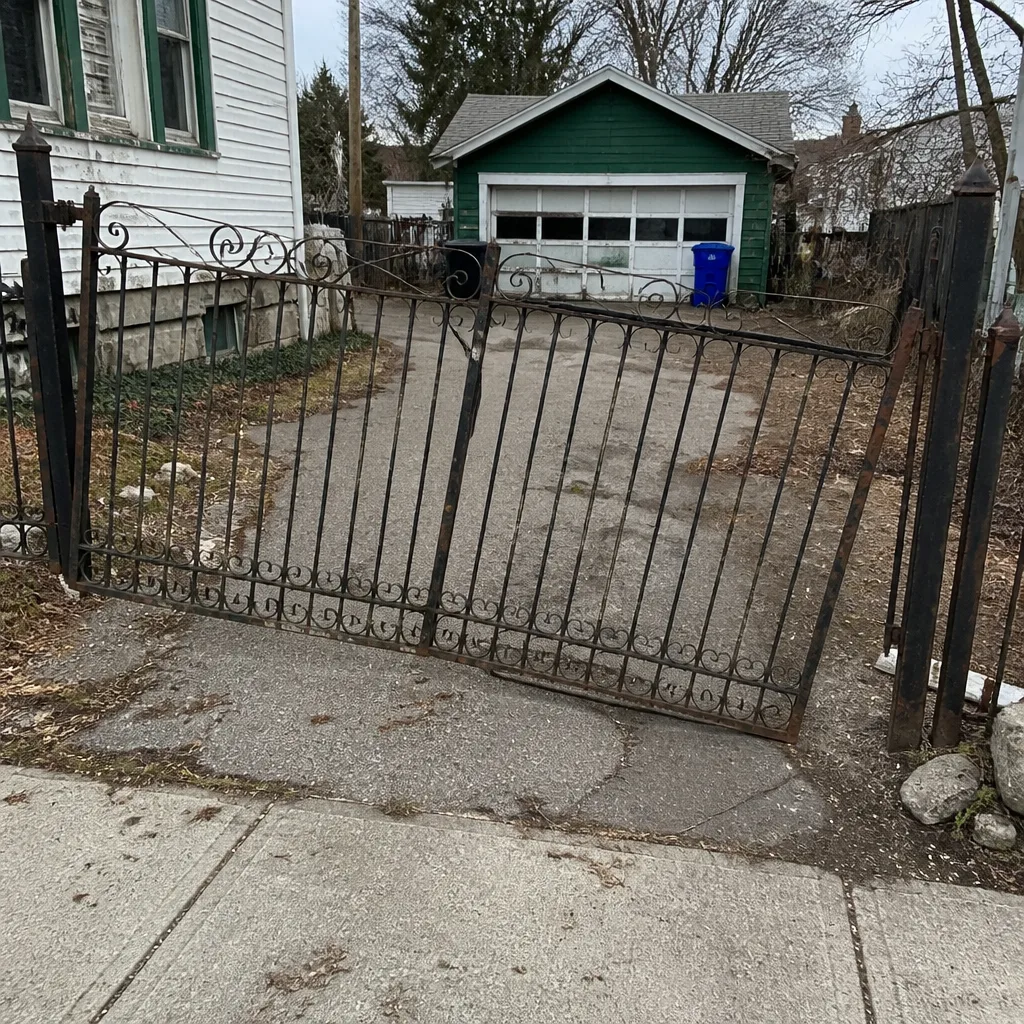 Before
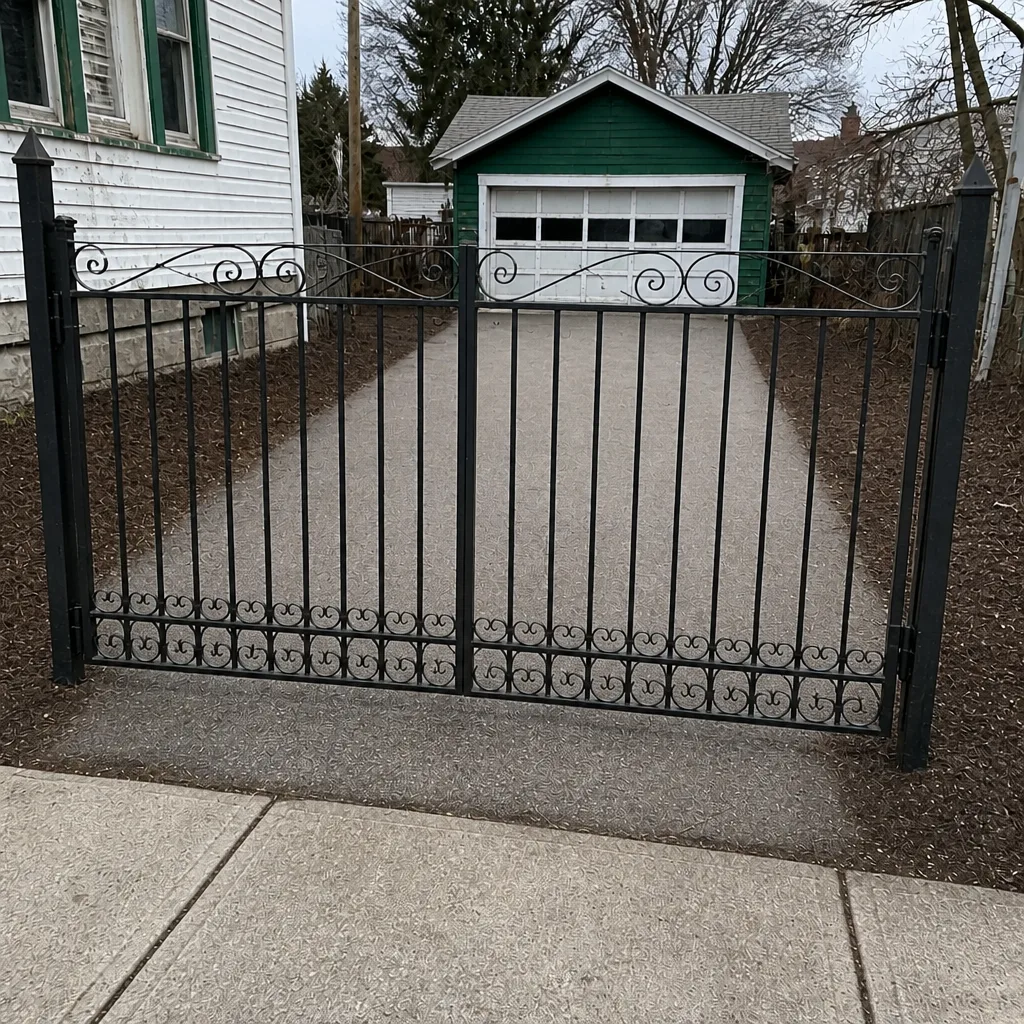 After
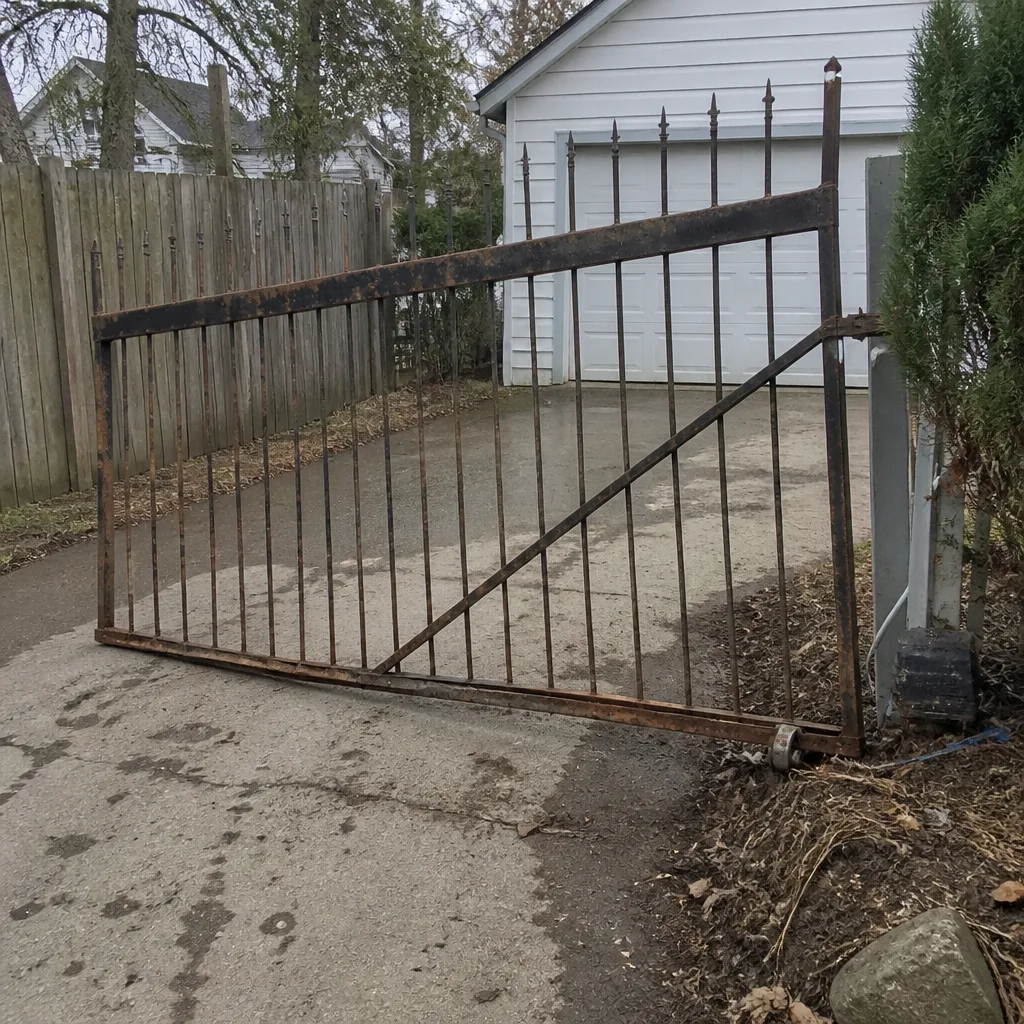 Before
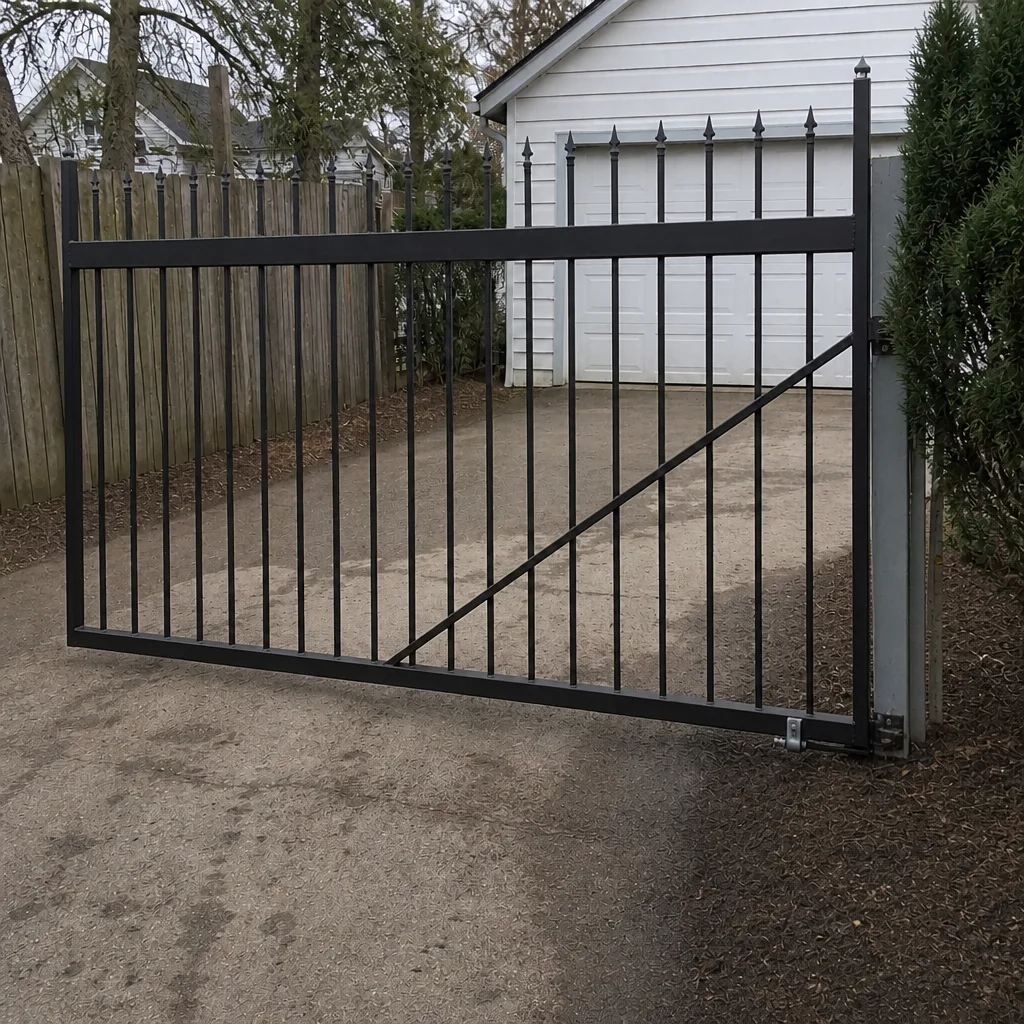 After
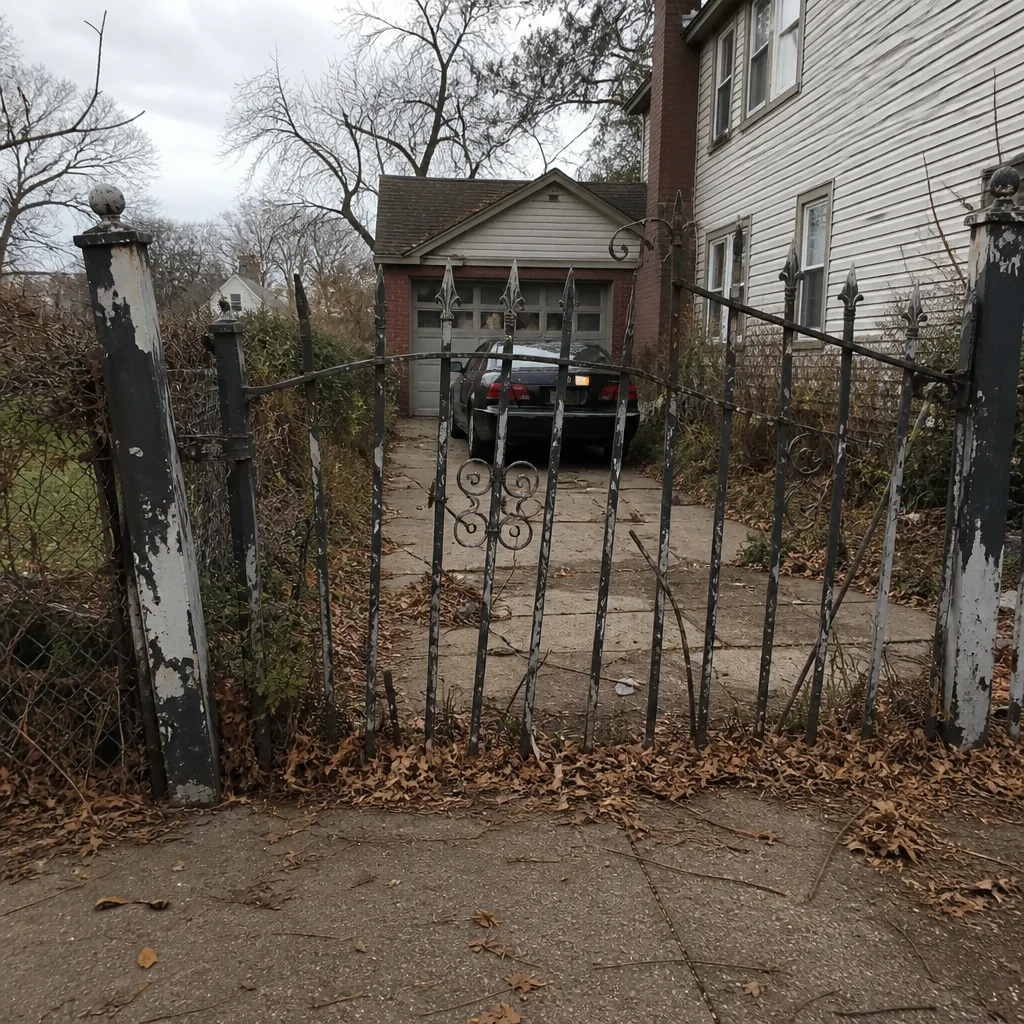 Before
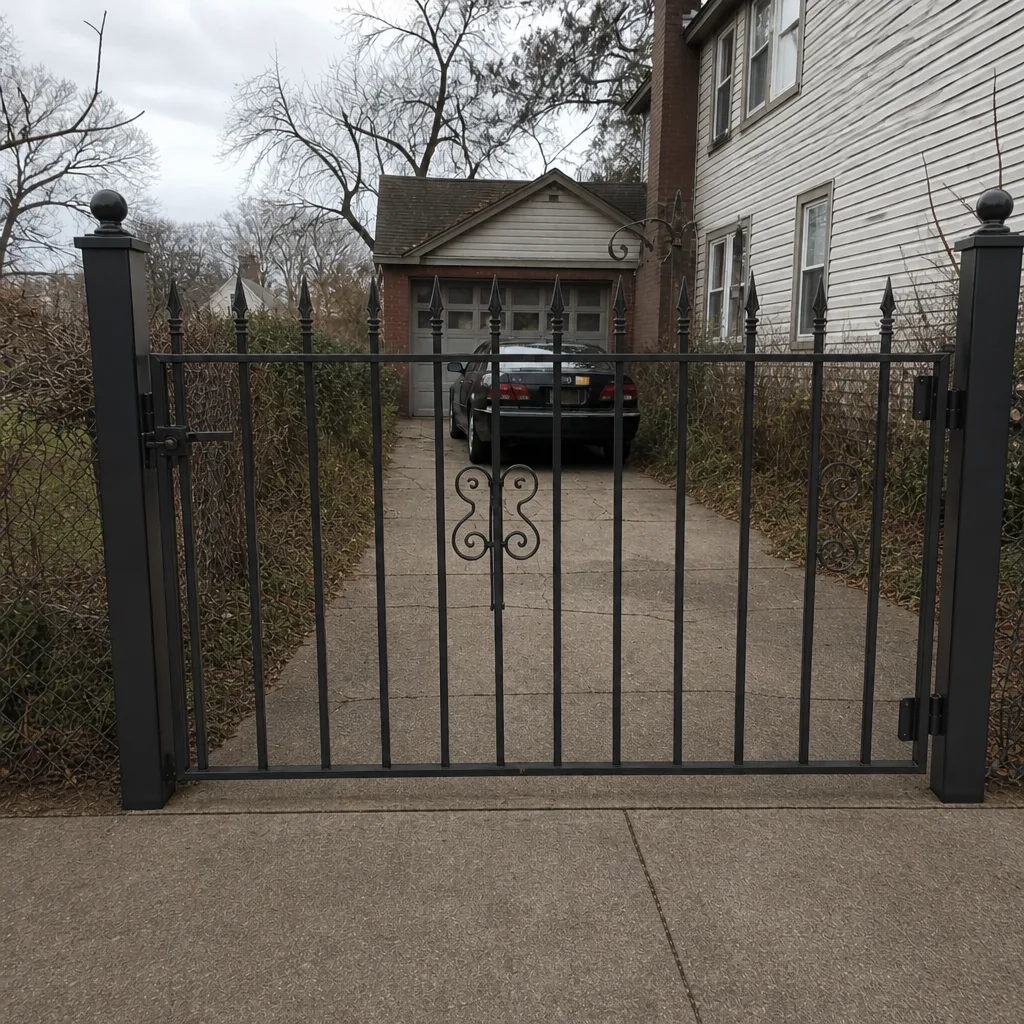 After
When to Call a Professional
Some gate problems you can safely describe over the phone; others should end with a call. Call a professional if the operator is dead or behaving erratically, if the gate binds or grinds in travel, if a post is leaning or the gate is sagging, if a safety device is misbehaving, or if you see or smell anything electrical. Also call if you own a commercial access system like a DoorKing or FAAC unit and it’s failing on programming or entry logic; those symptoms rarely respond to basic checks. And call if a gate is stuck open and you need the property secured. Rochester Gate Repair offers free estimates in Rochester. Call (866) 942-8010. We answer 24/7.
Frequently Asked Questions
Gate repair is priced per job by the written estimate, so the final price depends on what failed and what parts are needed. The estimate is free and the price is quoted and agreed before any work starts. Because one misread symptom can send a repair down the wrong path, having your brand and model ready helps keep the estimate accurate. Call (866) 942-8010 for an exact quote. Estimates are free.
We answer 24/7, and we offer same-day service for gate repairs. Fast dispatch runs from 7am to 7pm, Sunday through Friday, and we’re closed on Saturday. A call outside dispatch hours is booked into the next opening, Sunday through Friday, 7am to 7pm. Call (866) 942-8010 to check today’s availability.
Yes. We work on both residential openers like Mighty Mule and Ghost Controls, and commercial or access-control systems like FAAC, BFT, DoorKing, and Viking. That range matters because a homeowner’s opener and an HOA or commercial entrance fail in different ways. Call (866) 942-8010 to describe your system.
A gate that reverses or stops mid-travel usually has a limit switch, safety sensor, or control-board issue rather than a dead motor. In Rochester, road-salt film and ice on limit switches and photo-eyes are common culprits, but the underlying cause can also be a mechanical bind the operator is fighting. A precise description of where in travel it fails helps diagnosis. Call (866) 942-8010 for a free estimate.
Sometimes yes, sometimes no, and the answer depends on hinge condition, post alignment, and the operator’s cycle count. If the gate frame and posts are sound, a targeted repair often makes sense; if the operator is near the end of its designed cycle life and the gate structure is worn, replacement is worth comparing. We tell you which, with the reasoning. Call (866) 942-8010 and we’ll walk it through.
We handle both. Our electric gate repair work covers the operator, control board, wiring, and safety devices, and we also repair the mechanical gate, hinges, and mounting. Safety edges and photo-eyes are part of every repair. Because wiring and moving panels are genuinely dangerous, this is work for a trained professional, not a DIY project. Call (866) 942-8010 for a free estimate.
The Bottom Line
Gate failures in Rochester are rarely one clean problem. They’re a chain: a winter that corrodes a ground wire, strains a hinge, drifts a limit switch, and finally makes the motor look like the villain. The homeowner who knows how to separate electrical from mechanical from structural symptoms, documents their brand and model, and asks for reasoning alongside the quote is the one who gets the right fix the first time. Our technicians have up to 10 years of experience with residential and commercial systems across Rochester, and we’ll tell you plainly whether repair or replacement makes sense. Call (866) 942-8010 for a free estimate. We answer 24/7, with fast dispatch from 7am to 7pm, Sunday through Friday.
Written by the team at Rochester Gate Repair.