
Last updated November 14, 2026
 Wrought iron
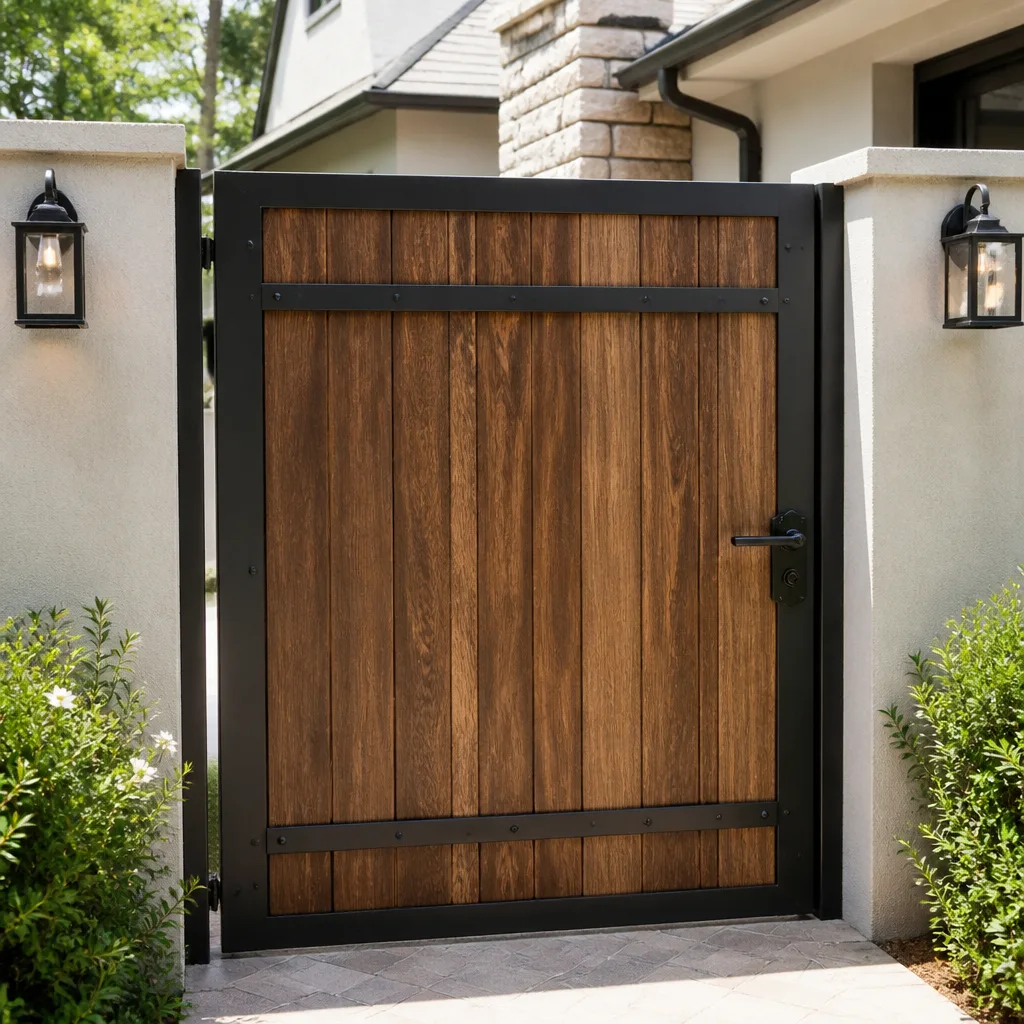 Wood & steel frame
 Farm & ranch
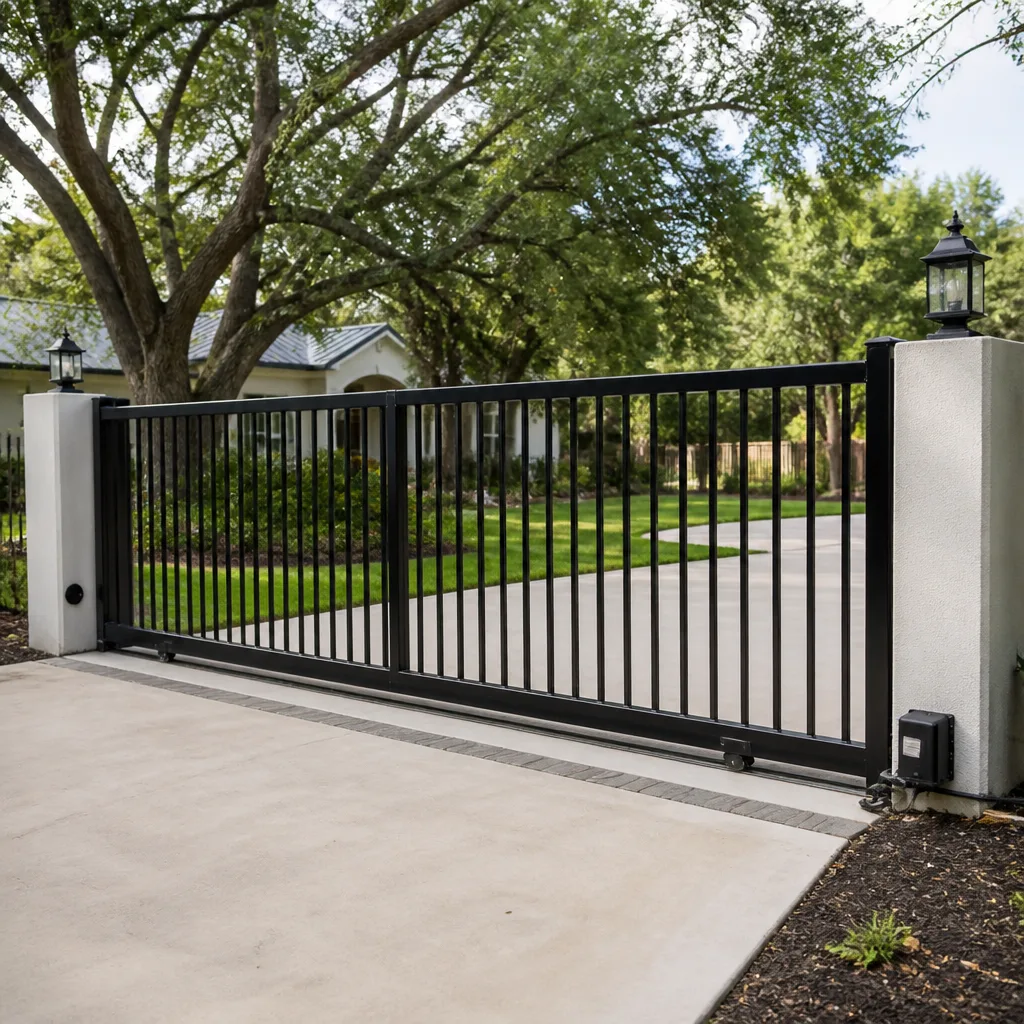 Sliding driveway gates
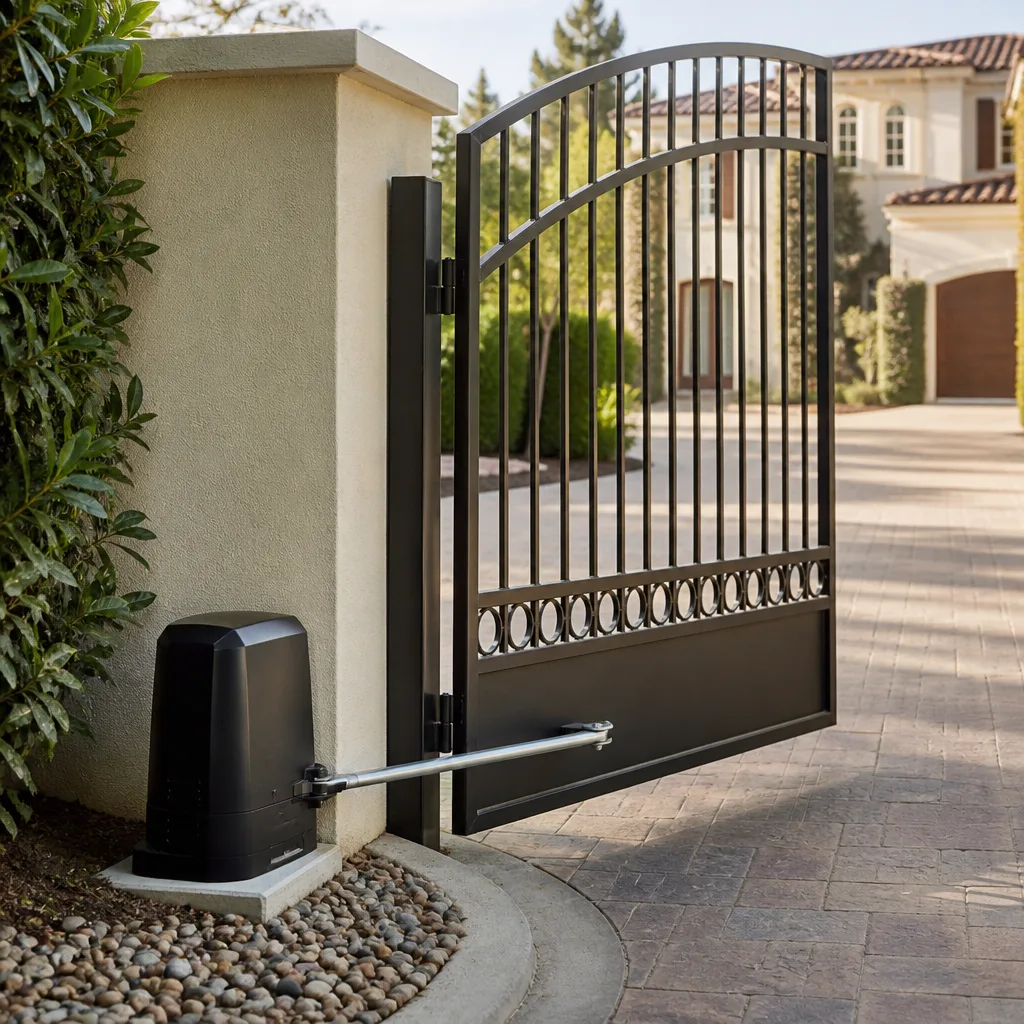 LiftMaster operators
Free on-site gate assessment - hinges, posts, and your LiftMaster or Nice gate operator checked before anything is quoted
The assessment is free and the quote is the invoice.
Get your free estimateGate Repair Warning Signs: A Rochester Homeowner’s Reference Guide
A gate that hesitates for two seconds before it moves isn’t “being slow” or “getting old.” It’s telling you the motor is fighting increased mechanical resistance, and that resistance has a cause: a worn roller, a sagging hinge, or a post that’s shifted at the footing. Those are small fixes. A motor burned out from months of fighting that resistance is a different bill entirely. The trouble is that most Rochester homeowners don’t know what they’re looking at until the gate stops dead. This guide translates gate behavior into plain diagnostic language, so you can read the warning signs, sort the urgent from the monitorable, and know what a symptom usually means before it turns into a failure.
Quick Answer
Most serious gate failures show warning signs weeks before they stop working: hesitation, jerky travel, unusual noise, a reversing gate, or a visible sag at the hinge. Catching these early usually means a smaller, mechanical repair instead of a motor or control-board replacement. Signs of a genuine safety hazard, like a gate that reverses unpredictably or a bent arm under load, call for shutting the gate off and having a trained technician look at it before it runs again.
Styles & brands we work with
- Wrought iron
- Wood & steel frame
- Farm & ranch
- Sliding driveway gates
- LiftMaster operators
Table of Contents
- Symptom-to-Cause: A Translation Table
- Intermittent Failures: Electrical vs. Mechanical
- How Rochester’s Cold Weather Masks and Amplifies Warning Signs
- What to Look At on Hinges, Rollers, and Tracks
- When a Warning Sign Is a Safety Hazard
- Why Some Brands Fail Differently
- The Seasonal Diagnostic Calendar
- Keeping a Simple Gate Log
Symptom-to-Cause: A Translation Table
Most gate problems repeat the same handful of behaviors, and each behavior points at a short list of likely causes. The trick is reading the symptom before the gate fails. Below, we’ve mapped the common observable behaviors to what they usually mean in the field.
- Hesitation before moving – Motor fighting mechanical resistance: a worn roller, a sagging hinge, a post that has shifted at its footing, or a track that has gone out of true.
- Partial movement then stopping – Travel limit switch out of adjustment, an obstruction sensor tripping mid-swing, or a binding hinge that the operator reads as a stall.
- Clicking without movement – Most likely the control board sending a start signal while the motor fails to receive it: a relay, capacitor, or wiring issue rather than a mechanical bind.
- Reversed operation – A safety sensor sees an obstruction that isn’t there, a photo-eye lens is dirty or misaligned, or the gate’s leaf has sagged enough to break the sensor beam.
- Jerky, uneven travel – Binding rollers, worn bushings, or a drive track that has collected debris and ice.
- Surging speed – Motor capacitor degrading or a battery backup in a slide-gate operator losing capacity.
- Grinding or squealing – Metal-on-metal wear inside a roller, hinge pin, or drive sprocket. This one rarely fixes itself.
- Loud buzzing from the operator housing – Motor is receiving power but cannot turn: a stalled motor, a seized bearing, or a binding gate arm.
If you’re reading this list and one line sounds exactly like your gate, that’s your starting point. It’s also the point where a quick, specific call beats guessing. Our gate repair work starts with diagnostics, which means we walk the whole mechanism before we touch the operator. Diagnose the symptom; don’t just replace the part that happens to be loudest.
Intermittent Failures: Electrical vs. Mechanical
Intermittent failures are the hardest to diagnose and the most misleading to live with. The gate works fine for a week, then hesitates for three days, then works again. Your neighbor swears it’s the motor. Your other neighbor thinks it’s the sensor. They’re both guessing. What you need is a way to sort electrical faults from mechanical faults with a single test you can safely do yourself.
The hand test separates the two
Put the operator in manual release (most brands have a release key or lever), and with the power off, open and close the gate by hand. You are not opening or repairing anything; you are feeling for resistance.
- Release the operator using the manufacturer’s manual release, following the label on the housing.
- With the power off, sweep the gate slowly through its full travel by hand.
- Note where it binds. A gate that rolls easily by hand but stumbles under power is showing an electrical or control problem. A gate that also binds by hand has a mechanical cause.
- Look at the bind point. A hitch at a specific hinge or roller is mechanical. Smooth resistance everywhere is usually the operator.
- Re-engage the release per the manufacturer’s instructions before restoring power.
What you learn in that two-minute test tells us most of what we need to know before we arrive.
- Electrical faults tend to be weather-related, intermittent in a pattern, or tied to time of day (temperature swings). They often involve sensor edges, control boards, capacitors, or wiring chafed at the hinge point.
- Mechanical faults progress steadily in one direction. They don’t get better on their own and they don’t appear and disappear with the weather.
If the test shows a smooth manual travel but a failing powered travel, the operator is likely the source, and that’s a job for someone comfortable working inside the housing. Electric and automated systems have real electrical exposure inside them, so a professional diagnosis is the safer way to sort that kind of fault. Our electric gate repair work is built around exactly this kind of intermittent, hard-to-reproduce problem.
How Rochester’s Cold Weather Masks and Amplifies Warning Signs
Rochester’s cold winters are a mixed blessing for gate diagnostics. On one hand, the cold amplifies some warning signs so clearly you can’t miss them. On the other, cold weather also hides certain problems by masking their symptoms until the thaw.
Winter signs that amplify
- Battery-backed operators get louder. A slide-gate operator with a failing backup battery will struggle harder in below-freezing temperatures; the motor runs longer and hotter on each cycle, which makes the underlying electrical weakness obvious.
- Lubricant thickens. Metal hinges, rollers, and drive tracks packed with cold grease show their bind earlier because the resistance is higher.
- Motor capacitor issues sharpen. A marginal capacitor that would have run the gate all summer can’t turn the motor cleanly on a 20-degree morning.
- Sensor misalignment shows clearly. Just like a car’s headlights fog up before the lens clears, a photo-eye or edge sensor with a hairline fault can flip to permanent fault in the cold.
Winter signs that hide
- Post movement is quiet. A footing that has shifted a fraction of an inch shows almost no symptom in the winter because the ground is frozen and holding. When the spring thaw arrives and the soil shifts again, the gate suddenly starts dragging.
- Hinge wear is masked by cold. Cold metal tightens up. A worn hinge pin that would show a wobble in summer runs “smooth” in winter until the temperature warms.
- Roller wear fades behind tire-track buildup. Plowed snow, salt, and grit collect under a slide gate and mask roller roughness until the spring cleanup.
The upshot: spring, after the first thaw and before the summer heat, produces the most diagnostic information. That’s when a gate that spent the winter hiding its problems tells you everything at once. If a gate in Rochester survived the winter with warnings you ignored, spring is the season to look at it.
What to Look At on Hinges, Rollers, and Tracks
Some of the clearest warning signs show up in the hardware before the gate ever misbehaves. A slow walk around the gate, particularly at the hinge-side and along the track, tells you a lot about what’s coming.
On hinges
- Vertical play in the hinge plate. With the gate closed but not running, push the gate leaf a few inches horizontally. If you feel movement at the hinge pivot, the pin or bushing is worn.
- Fresh metal shavings or rust dust under a hinge. That’s the pin shedding material.
- Torn or flattened hinge stops. A hinge that has been hit, or that has swung against a worn stop for years, will eventually fail.
- Hinge plate lifting away from the post. Loose anchor bolts can precede a post failure on older gates.
On rollers and tracks (slide gates)
- Flat spots on roller wheels. A flat spot means the roller has seized or dragged. Roll it by hand and feel for the hitch.
- Track pitting or scale. Rust and pitting on a track increase resistance and accelerate roller wear.
- Loose track fasteners. A track that moves when the gate travels is out of true, and misaligned tracks wear out drive components fast.
- Debris under the track. A deep layer of grit doesn’t get better with age.
On the gate leaf itself
- A sag at the latch side. A gate that has dropped slightly at the latch is telling you the hinge side is starting to fail.
- Fresh cracks in the frame near a weld. Welds that develop cracks usually have stress underneath that isn’t visible.
- Rattling hardware during a manual open. Loose fasteners on swing gates can cause the whole leaf to wobble under power.
If you spot any of these, jot down what you saw and where. That specificity is worth more to a technician than “the gate feels wrong.” Pair it with a photo and you have the most useful thing a homeowner can hand over during diagnostics. Across the nine brands we work on, including Linear and DoorKing systems in Rochester’s larger HOA and commercial properties, the visual check on hardware is always the first step.
When a Warning Sign Is a Safety Hazard
Not every warning sign means “schedule a repair.” Some mean “stop using the gate.” Heavy gate leaves carry enormous momentum, and a faked or failed sensor can hurt someone before it ever strands a car. If you see any of the following, shut off the operator at the breaker and call a trained technician before the gate is used again.
- A gate that reverses unpredictably in mid-travel. The safety edges or photo-eyes are not doing their job.
- A bent drive arm or operator housing under visible load. The mechanism is being forced, and something under the arm is about to give.
- Burning smell or a hot operator housing. Electrical fault inside the operator. Do not open the housing.
- A gate that swings on its own when released from the operator. It is not sitting true and can fall.
- Visible post movement at the footing. A gate whose post is moving is a swing hazard, not just a nuisance.
- A slide gate that has left the track. Do not try to lift it back on yourself. Heavy panels crush.
- Exposed wiring at the operator or safety edges. Do not touch it.
Signs you can monitor and schedule
The safe-to-monitor signs are the ones that don’t put anyone at physical risk. Hinge noise, jerky but predictable travel, minor track debris, occasional sensor cleanings, or slow changes in speed are all repairable on a normal appointment. Log the symptom, note the date, and book a repair before it cascades into a motor or board replacement.
This is one place we’re not just playing it safe: standing near a 300-pound sliding panel or working inside a powered operator without training is genuinely dangerous. Our Rochester Gate Repair team treats the safety calls as urgent and the monitorable calls as a scheduled job. Both get the same honest read on what’s going on.
Why Some Brands Fail Differently
A gate brand isn’t a label on the housing, it’s a design philosophy. The same symptom on two different systems can mean two different root causes, and reading a symptom without knowing the brand usually leads to guessing. That’s why we keep our work to the nine brands we cover, because the diagnostic shortcuts live in the specific design.
- Linear operators tend to flag travel limits and safety-edge faults through specific behaviors. Understanding those specific behaviors saves opening the housing on every intermittent call.
- DoorKing systems (common in commercial and multifamily access control) behave differently around the entry system’s ticketing and communication layer, and a “gate fault” can sometimes be an access-panel problem.
- Ghost Controls residential operators are designed for tighter swing arcs on lighter leaves; when a gate starts to hesitate, the failure usually traces to a hinge or footing rather than the operator.
- Viking swing and slide operators sit in between residential and commercial, and intermittent stalls often point at the control board, not the motor. A technician familiar with the board layout can tell the difference quickly.
We work on your brand, whether it’s a residential Mighty Mule the homeowner bought at a big-box store or a FAAC system driving a Rochester commercial entrance. Knowing which operator is in front of us is the difference between fixing the gate on the first visit and spending a second visit diagnosing by elimination. That’s not a boast, it’s the whole reason gate-only specialization matters here.
The Seasonal Diagnostic Calendar
Every season in Rochester hits a gate differently, and a simple annual rhythm catches most of the expensive failures before they get expensive. Here’s a practical schedule to walk the gate and check the symptoms above.
- Early spring (after the first real thaw): the highest-information check of the year. Hinge wobble, sagging latches, track debris, and footings that shifted over the winter all show up now. This is the time to book a repair that spent the winter hiding.
- Late spring: track cleaning, roller check, and sensor lens cleaning. Cut back vegetation that has grown into the gate’s swing arc.
- Midsummer: heat exposes lubricant breakdown and motor-capacitor issues. If speeds are surging, that’s a summer signal.
- Early fall: the last easy window for repairs before cold weather starts masking symptoms. If anything is borderline in early fall, fix it before the freeze.
- First freeze: do a manual travel test and note any new hesitation. Anything the operator has been fighting through the summer will show up at the first cold morning.
- Midwinter: listen to the operator. Loudness, surging, and slow travel in the cold are electrical tells.
Sixteen minutes of walking the gate twice a year, plus a quick manual travel test at first freeze, is what catches most failures before they happen. It costs nothing and it saves a diagnostic call down the line.
Keeping a Simple Gate Log
One more practical tool that pays off: keep a one-page gate log. Not a spreadsheet, not a phone app, just a running list in a notebook or a note on your phone. When the gate starts hesitating, or the sensor trips on a clear day, write down the date and what it did. When a technician arrives, hand it over.
- Date and observed behavior for every symptom, even the ones that resolved on their own.
- Weather at the time if it’s unusual. Temperature swings, rain, and wind all matter.
- Recent changes to the property: new landscaping, a repaved driveway, or a fence line adjustment. Anything that might have moved the footing or the sensor sight line.
- Last professional service date, if you had one.
- Brand and any model info from the operator label. If you have a Linear, DoorKing, Viking, or Ghost Controls system, the label tells the technician almost everything they need to plan the visit.
A log like this is worth ten phone calls when the gate finally gives up, because the pattern in the logbook is often more diagnostic than the failure itself. It’s also the best evidence you’ll have for whether a symptom is new or has been creeping along for months.
Common Mistakes to Avoid
- Treating a hesitation as “the gate is getting old.” Gates don’t get slow because of age; they get slow because something in the drive or hinge is adding resistance. Naming the symptom plainly is the first step.
- Opening the operator housing to “take a look.” There is real electrical exposure inside an operator and a stored charge in some components. Leave the housing closed and call a technician.
- Replacing the motor before confirming the gate travels freely by hand. A new motor on a binding gate dies the same way the old one did. Confirm the mechanical side first.
- Ignoring winter symptoms because the gate “seems fine in the cold.” Cold hides hinge and footing wear in Rochester; the thaw reveals it, and the repair is bigger by then.
- Oil-bombing a noisy hinge instead of examining it. Grease quiets the symptom without fixing the cause, and it makes the underlying wear impossible to see later.
- Cleaning a photo-eye lens and calling it done. Sensor faults are frequently misalignment or wiring, not dirt; if a lens wipe doesn’t fix a reversing gate, treat it as a safety issue and shut the gate off.
- Backing into a gate with a vehicle and reading the wiggle as minor. A post that has shifted can sit quietly for weeks, then fail completely under a heavy leaf.
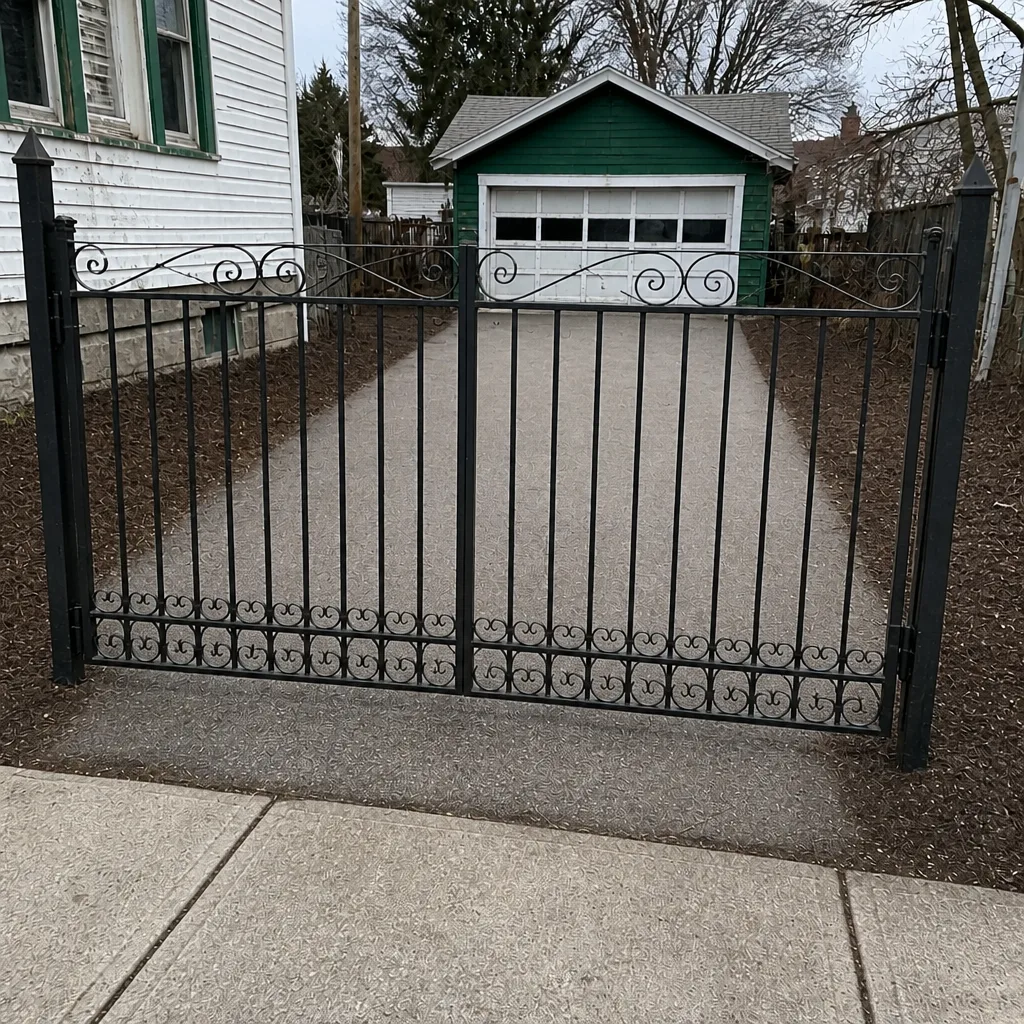
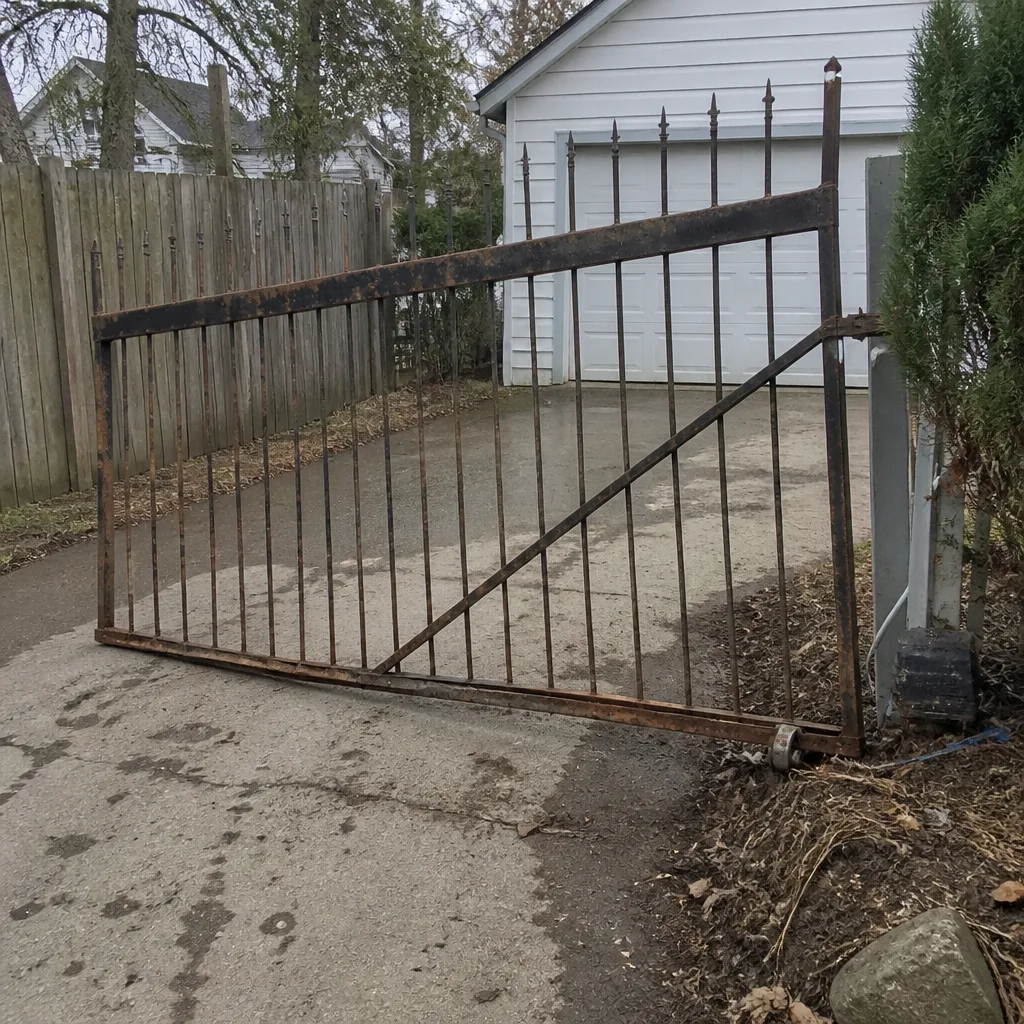
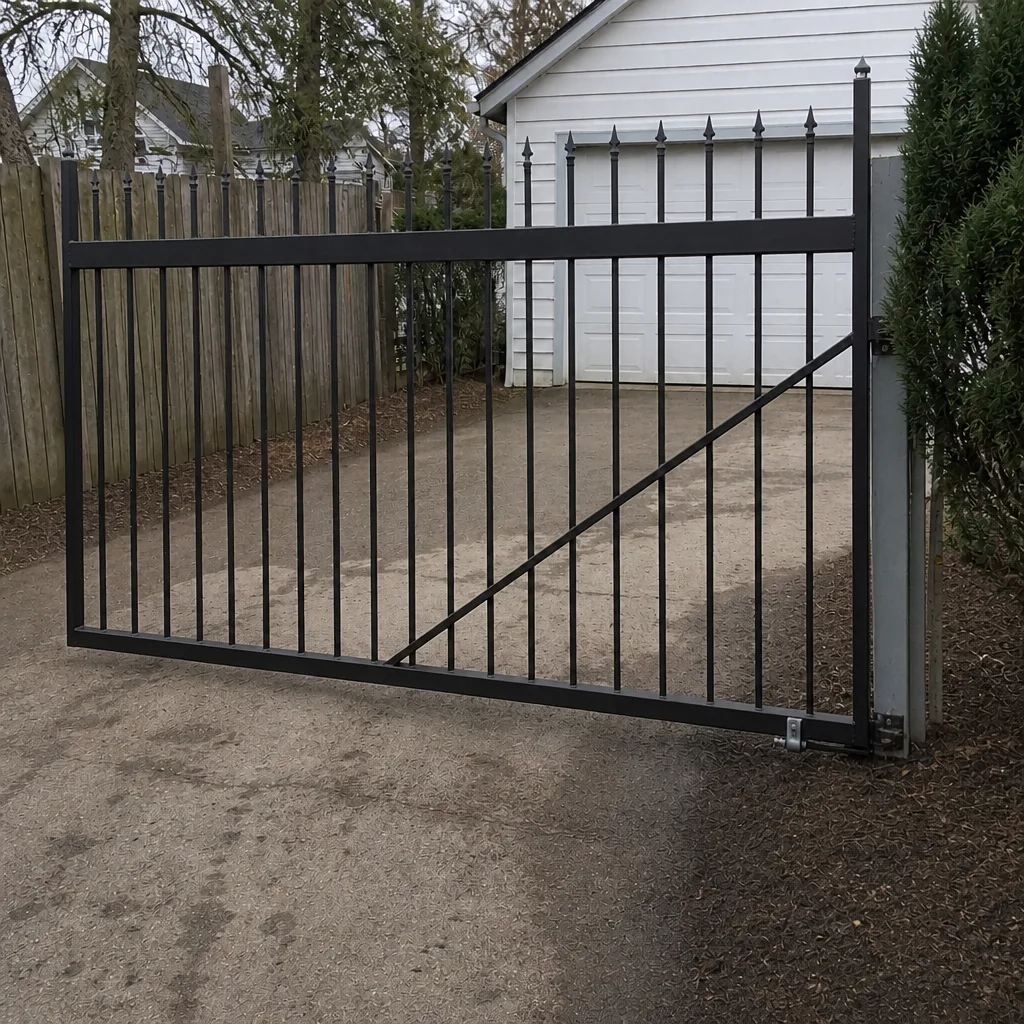
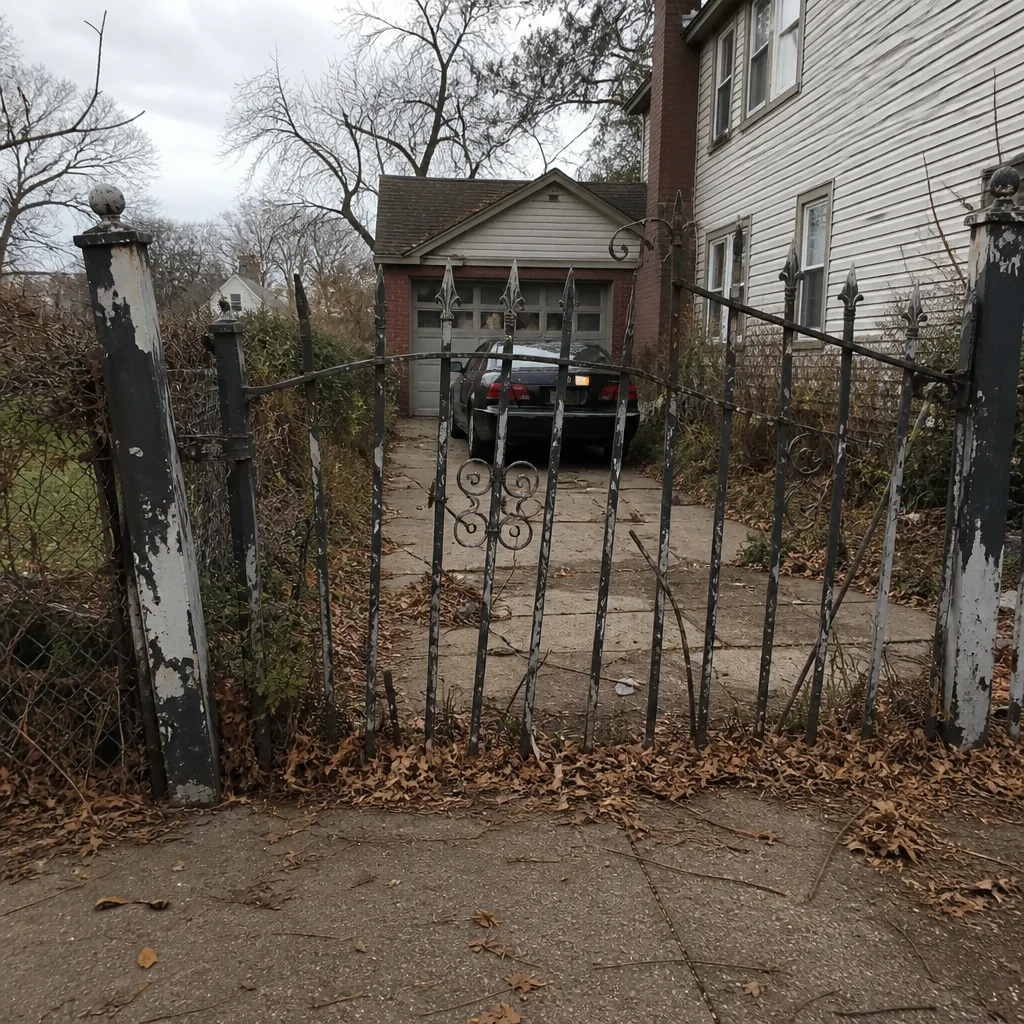
See the difference
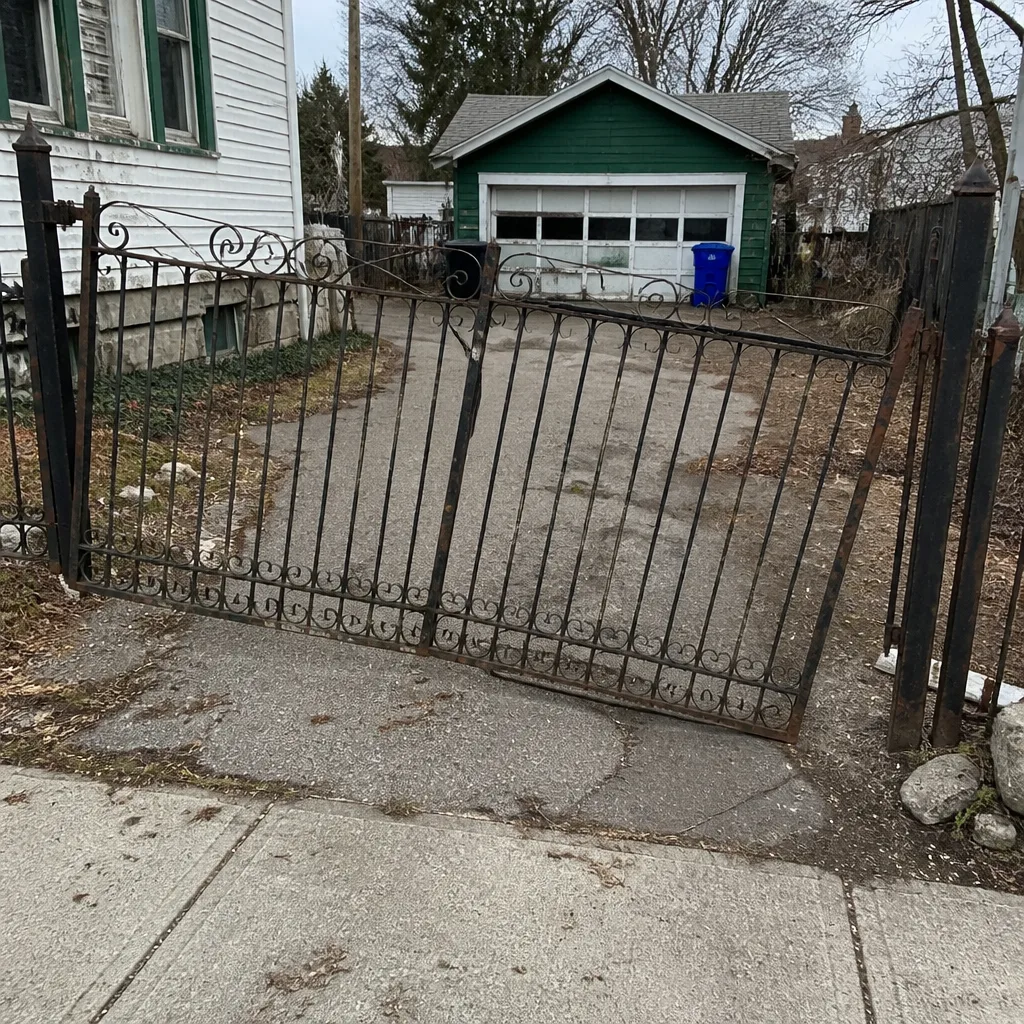 Before
 After
 Before
 After
 Before
 After
When to Call a Professional
Call a professional the moment you see any safety-hazard warning sign: unpredictable reversing, exposed wiring, a burning smell, a post or hinge that visibly moves under load, or a gate that has left its track. Those are not diagnostic calls, they’re shutdown calls, and a trained technician should see the gate before it’s used again. Also call when a symptom is intermittent, when a fixed-by-hand repair hasn’t fixed it, or when your logbook is starting to show a pattern you can’t identify. For a homeowner in Rochester with a powered system, diagnosing from the outside is fine; opening the housing isn’t. Rochester Gate Repair offers free estimates in Rochester. Call (866) 942-8010. We answer 24/7. Fast dispatch from 7am to 7pm, Sunday through Friday.
Frequently Asked Questions
Hesitation before movement, jerky travel, and new noise at the hinge are the earliest reliable warning signs. They usually point at a mechanical bind that will wear out the motor if it isn’t corrected. Catching them at this stage is a small repair; catching them after the motor fails is a bigger one. Call (866) 942-8010 for an exact quote, estimates are free.
Release the operator and open the gate by hand with the power off. A gate that travels smoothly by hand but stumbles under power has an electrical or operator cause; a gate that also binds by hand has a mechanical one. Don’t do this on a gate that has a safety-hazard warning sign. Call (866) 942-8010 and we’ll walk you through the safe checks.
Cold thickens grease, weakens motor capacitors and backup batteries, and tightens worn hinge pins, all of which amplify small problems into functional failures. Meanwhile, post movement and footing wear get masked by frozen ground. In Rochester, a gate that failed in winter often shows the same symptom year-round once spring arrives. Call (866) 942-8010 to book a diagnostic visit.
Yes, treat it as a safety issue and stop using the gate. A reversing gate usually means the safety edges, photo-eyes, or the operator’s reversal logic are not doing their job, and a closing gate with a failed sensor can hurt someone. Shut the operator off at the breaker and call (866) 942-8010.
No. We work on nine name-brand systems, including Linear, Viking, Ghost Controls, and DoorKing, spanning residential and commercial. Gate-only specialization is why we can diagnose by system rather than by guesswork. Call (866) 942-8010 with your brand and we’ll tell you right away if it’s in our range.
Often yes, if you can describe the symptom precisely and, if possible, do the hand travel test safely. Knowing whether the bind is mechanical or electrical, and what brand and model the operator is, lets us arrive with the right parts and avoid a second trip. Call (866) 942-8010 and describe what you’re seeing.
The Bottom Line
Every serious gate failure announces itself first through specific, readable symptoms: hesitation, jerky travel, unusual noise, reversing, sagging hardware. The problem is that most homeowners don’t recognize those signs until the gate stops entirely, and by then the repair is bigger than it needed to be. Wait for a visible symptom, translate it into a cause using the table above, sort urgent from monitorable, and let a gate-only specialist handle anything mechanical, electrical, or safety-related. Rochester winters mask some signs and amplify others, so spring and the first freeze are your two highest-information checkpoints. Our technicians have up to 10 years of experience working on the brands that matter in Rochester, and we’re here when the logbook stops making sense.
Call (866) 942-8010 for a free estimate on any Rochester gate, residential or commercial. We answer 24/7. Fast dispatch from 7am to 7pm, Sunday through Friday.
Written by the team at Rochester Gate Repair.