
Last updated November 14, 2026
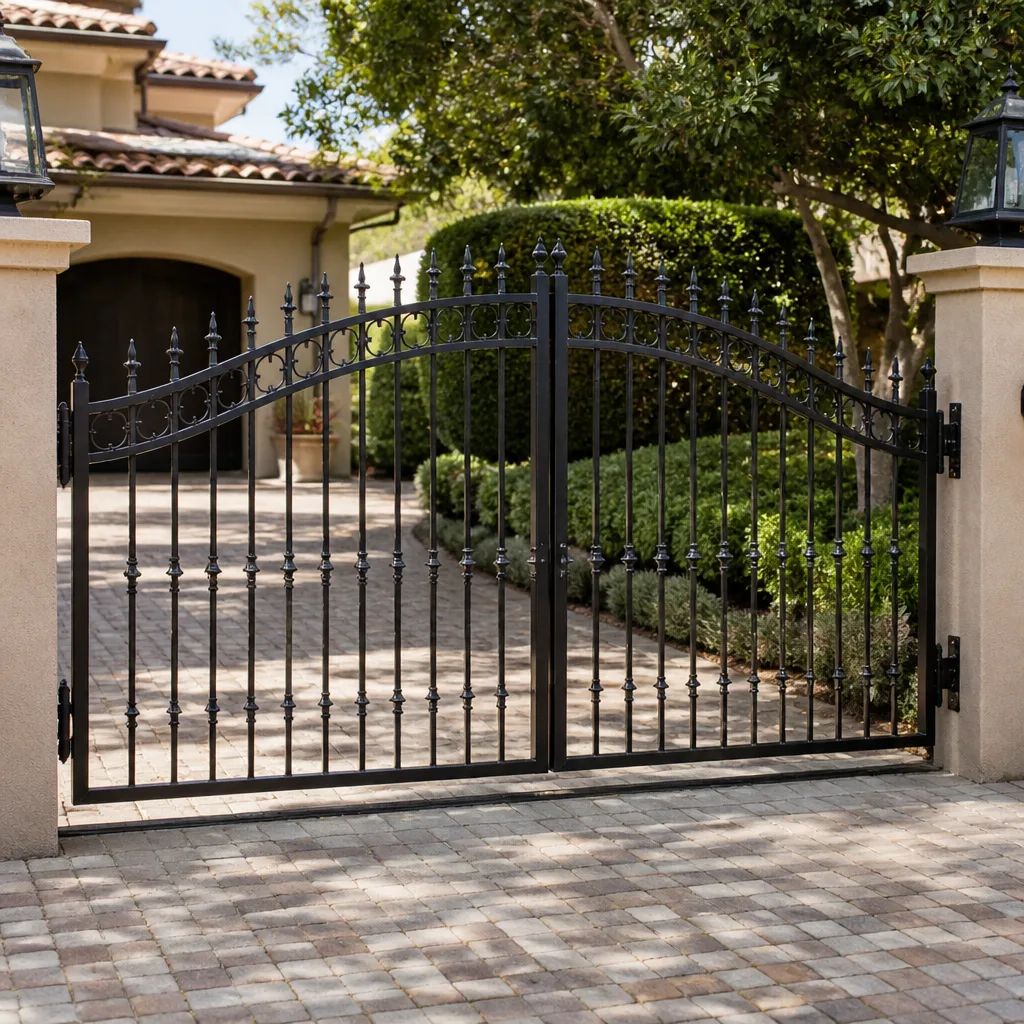 Wrought iron
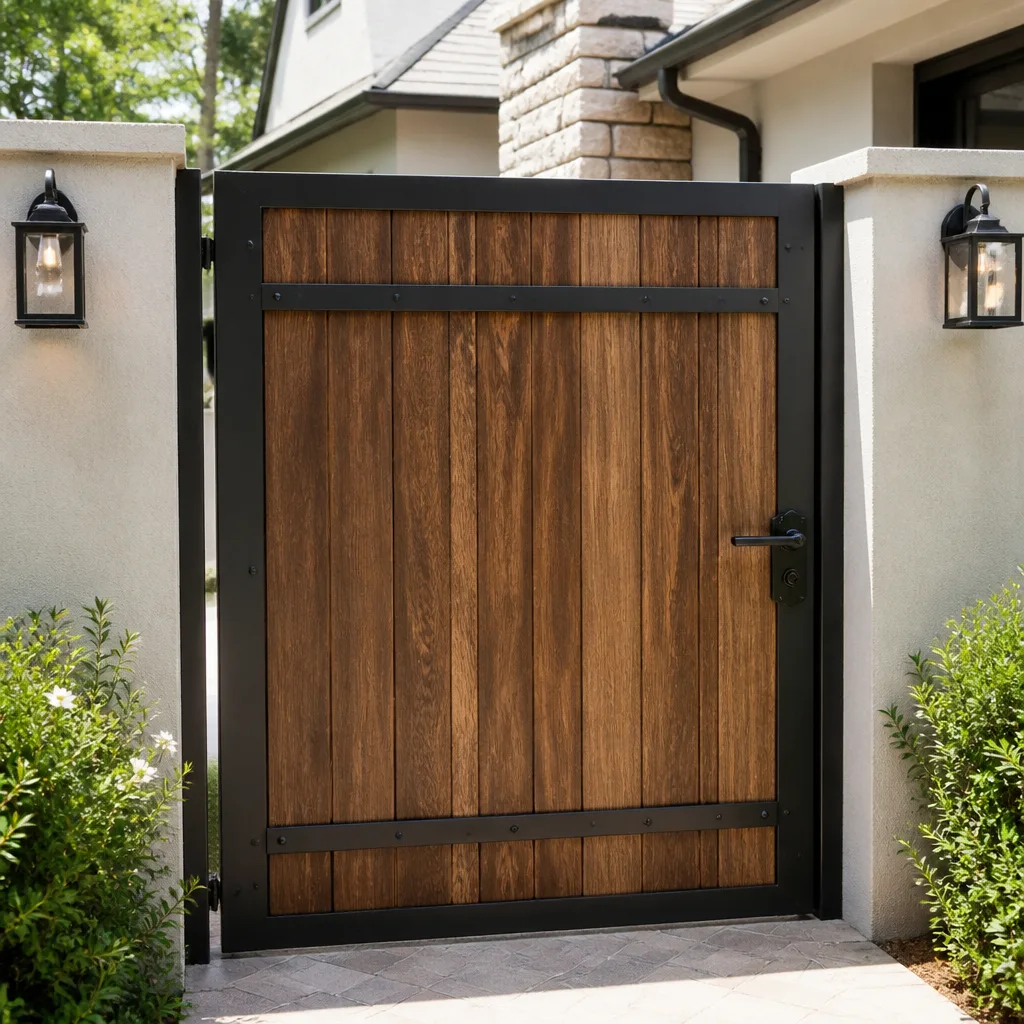 Wood & steel frame
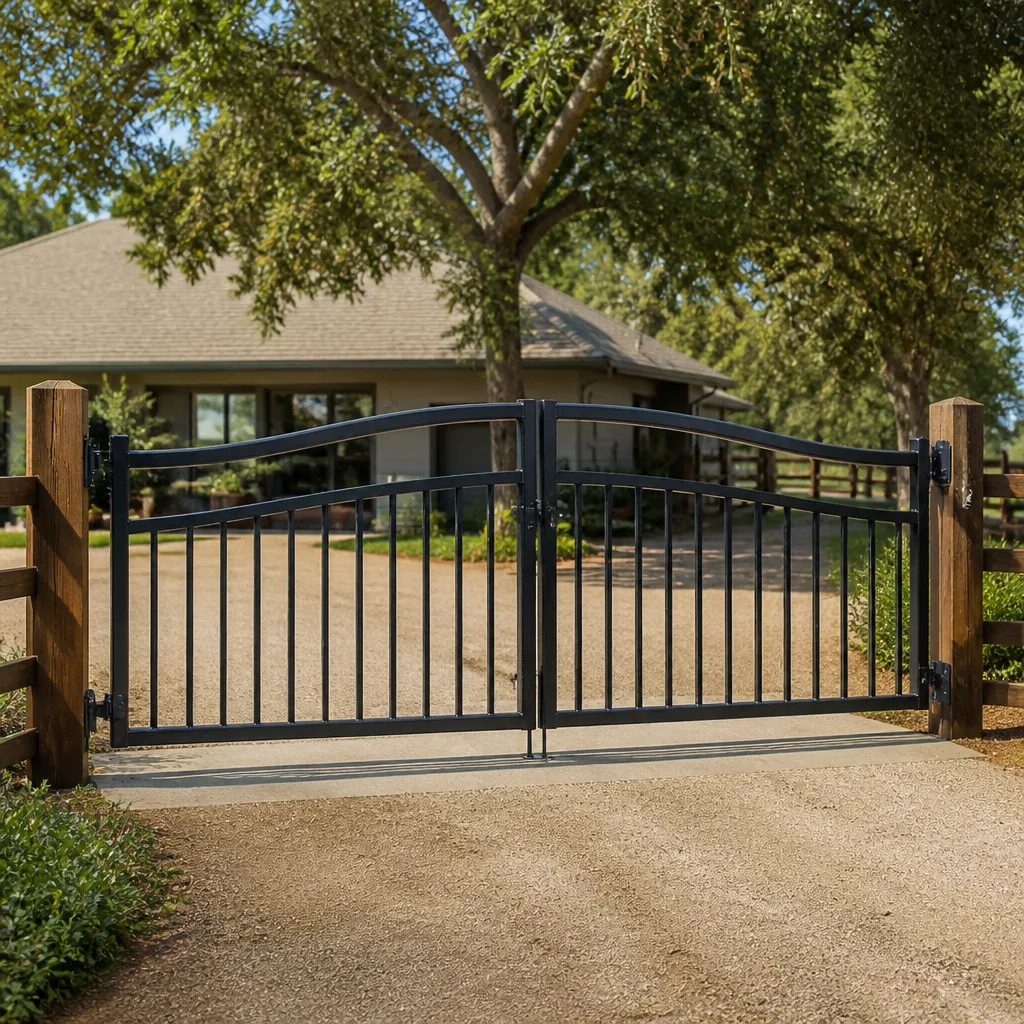 Farm & ranch
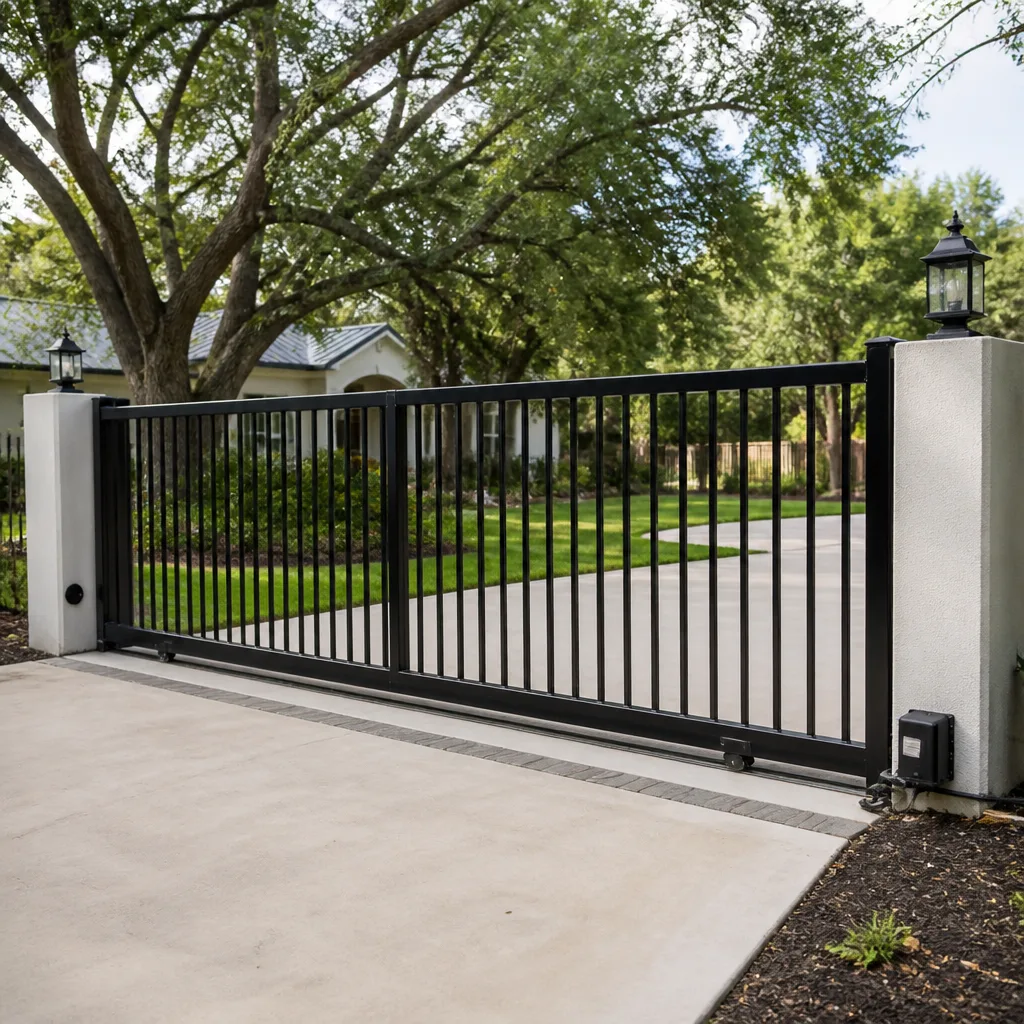 Sliding driveway gates
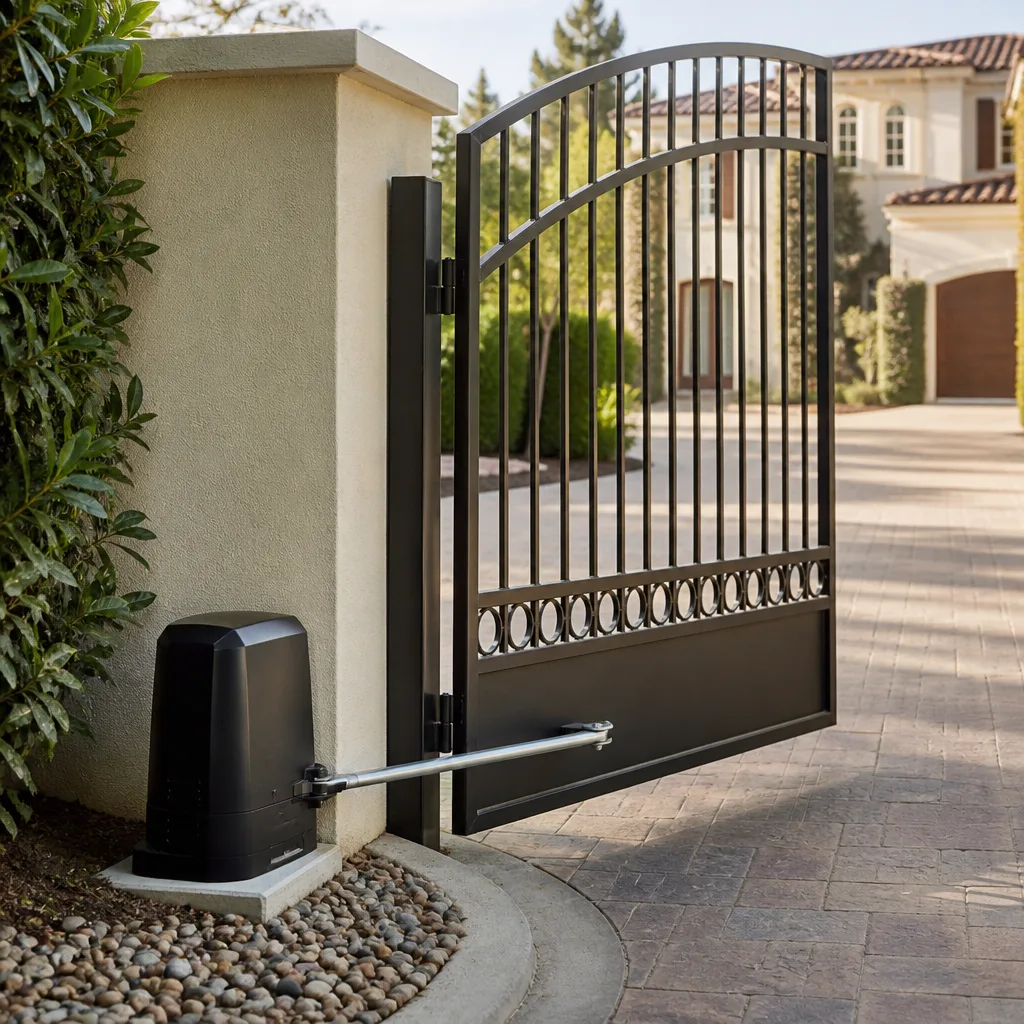 LiftMaster operators
Free on-site gate assessment - hinges, posts, and your LiftMaster or Nice gate operator checked before anything is quoted
The assessment is free and the quote is the invoice.
Get your free estimateChoosing the Right Gate Repair Brand: A Buyer’s Guide for Rochester
A gate operator with a strong national reputation means very little if the nearest authorized service center is in Syracuse and replacement parts come by factory order. In Rochester’s gate repair market, the brand question and the serviceability question are inseparable, and this guide treats them that way. What follows is how we evaluate brands against what actually matters here: cold-weather performance, parts on a shelf within reach, and technicians who know the system. You’ll learn which specs to check before you buy, how to audit a brand’s local support, and why broad third-party repair coverage protects you long after the warranty runs out.
Quick Answer
The best gate operator brand for a Rochester property is the one that performs in cold weather, has parts stocked close enough to avoid long factory waits, and can be serviced by more than one qualified local technician. Ghost Controls, Mighty Mule, Elite, and DoorKing all have a place in this market, but the right pick depends on whether you’re running a residential driveway or a commercial access point. Brand name alone tells you very little about how quickly your gate gets back to working on the first visit.
Styles & brands we work with
- Wrought iron
- Wood & steel frame
- Farm & ranch
- Sliding driveway gates
- LiftMaster operators
Table of Contents
- Why the Brand Question Is Really a Serviceability Question
- Cold-Weather Performance: The Specs That Matter in Rochester
- Parts Availability: The Hidden Factor in Repair Timelines
- The Warranty Gap: Paper Terms vs. Local Reality
- How to Evaluate a Brand’s Local Service Network
- Why Brand Loyalty Can Limit Your Repair Options
- Residential vs. Commercial: Matching the Brand to the Job
- A Step-by-Step Brand Evaluation Checklist
Why the Brand Question Is Really a Serviceability Question
When someone searches for the best gate operator brands in Rochester, they usually expect a ranking. Here’s the honest answer: the ranking matters less than the support structure behind the brand in this specific market. A residential operator from a widely sold brand can be easier to live with than a premium import, not because it’s better built, but because the parts and the diagnostic knowledge are already here.
We’ve seen this play out in all kinds of properties across the Rochester area. A homeowner buys a well-regarded opener based on national reviews. Two winters later the control board fails. The brand is fine. The problem is that the nearest factory-authorized center is a long drive east, and the board is a special order. Meanwhile a neighbor with a Ghost Controls or Mighty Mule system gets a straightforward diagnosis and a repair without the wait, because those systems are common enough locally that independent technicians know them and parts are obtainable.
So the brand question breaks into three serviceability questions:
- Can it handle the cold? Rochester winters are hard on electric motors, hydraulics, and control boards. A brand rated for mild climates is a liability here.
- Can we get parts quickly? A gate that waits a week for a part is a gate that’s not securing anything in the meantime.
- Can more than one technician work on it? Single-brand dealers create dependency. Broad third-party familiarity creates options.
Keep those three questions in mind through everything below. They’re the filter that separates a good brand from a good brand for Rochester. When you’re ready to talk through your own system, Rochester Gate Repair works on the brands actually present in this market.
Cold-Weather Performance: The Specs That Matter in Rochester
Cold-weather performance is the single most under-checked factor in gate operator purchases here, and it’s where brands separate fastest. Most manufacturers publish an operating temperature range, and for Rochester you want to see that range extend well below freezing. A unit that’s only rated for mild winters will strain, stall, or fail outright on the coldest mornings of the year.
Three specs deserve your attention before you commit to a brand:
- Operating temperature floor. Find the manufacturer’s stated minimum operating temperature. The lower that floor, the more margin you have on a genuinely cold morning. If a brand’s documentation doesn’t state one clearly, that’s a red flag in itself.
- Motor thermal protection. Cold motors work harder. Thermal protection shuts the motor down before it overheats under load. A brand that documents this protection is a brand that expects real conditions, not a showroom.
- Hydraulic fluid behavior below 10°F. Hydraulic operators behave differently as temperatures drop, and fluid viscosity changes affect how the gate moves. Ask specifically how a hydraulic system is rated for cold operation. If the answer is vague, that tells you something.
Mechanical and electromechanical operators tend to be more predictable in cold than hydraulic units, which is one reason they remain popular on residential driveways around Rochester. That’s not a knock on hydraulics; well-specified hydraulic systems work fine here. It’s a reminder to read the spec sheet against the climate rather than assuming any premium brand handles any weather.
We’ve seen plenty of systems fail not because the brand was cheap, but because it was specified for a climate it never had to face. That’s a specification problem, not a brand problem, and it’s avoidable with a few questions before you buy.
Parts Availability: The Hidden Factor in Repair Timelines
Parts availability is where national reputation and local reality part ways most sharply. Two brands can both be well made. Only one may have distributor stock within reach of Rochester. When a control board or motor fails, that difference becomes the difference between a fast fix and a slow one.
Think about it in repair-time terms. Every gate failure has a diagnosis phase and a parts phase. Diagnosis is usually quick for a technician who knows the system. The parts phase is where brands diverge:
- Brands with local distributor stock. Common residential systems like Mighty Mule and Ghost Controls are widely sold and supported, and their consumable and common failure parts are generally obtainable without a long wait.
- Brands requiring factory orders. Some commercial and premium systems are excellent, but a failed component can mean a special order. On a gated commercial entrance or an HOA access point, that’s an operational problem, not just an inconvenience.
- Brands in between. Mid-range systems often have some regional stock and some factory-order parts. Knowing which components fall into which bucket before a failure happens is genuinely useful.
Here in Rochester, the practical effect is real. A system that’s common locally is easier to keep running because the parts pipeline is shorter and more technicians know the failure patterns. A system that’s rare locally may be perfectly sound, but you should know going in that a repair could involve a wait. If your property depends on the gate for daily access, that’s worth factoring into your brand choice from the start.
When a part is on order, the question becomes what to do in the meantime. That’s a conversation worth having with a technician who can tell you honestly whether a repair or a replacement makes more sense given the wait. Our gate repair work starts with exactly that kind of assessment.
The Warranty Gap: Paper Terms vs. Local Reality
A warranty is only as good as the service behind it, and that gap is wider than most buyers expect. On paper, a long warranty on a gate operator looks like protection. In practice, what matters is whether warranty service can actually be performed near you, by someone who can get there, and how quickly.
Before you weigh a brand’s warranty as a selling point, ask these questions:
- Who performs the warranty work? Some brands require factory-authorized service only. If the nearest authorized provider is far away, the paper terms don’t translate into fast local service.
- What’s excluded? Wear items, labor, and shipping are commonly treated differently from the parts themselves. Read the exclusions, not just the term length.
- How is the claim filed? A clear process with local documentation is easier to navigate than a vague one handled entirely by phone and mail.
The takeaway is to treat warranty length as a starting point rather than the answer. A brand with a solid warranty and a local service network beats a brand with a longer warranty and no service presence in your area. If you already own a system from one of the brands we work on, our electric gate repair service can help you understand what’s covered and what isn’t before you file a claim or authorize work.
How to Evaluate a Brand’s Local Service Network
A brand’s local service network is best judged by three things: technician certification requirements, regional distributor relationships, and documentation quality. All three are knowable before you buy, and together they predict how your repair experience will go far better than brand advertising does.
- Technician certification requirements. Some manufacturers certify technicians formally; others leave training to the distributor or the market. Ask whether the brands on your shortlist have certified technicians in the Rochester area. If the answer is that they exist mostly on paper, plan accordingly.
- Regional distributor relationships. Brands with active distributors in the region tend to have shorter parts pipelines and better support for independent technicians. A distributor relationship is a proxy for how alive a brand is in a given market.
- Documentation quality. Well-documented systems are easier to diagnose accurately. When a brand publishes clear wiring diagrams, error codes, and troubleshooting guidance, a competent technician can get to the right answer faster. When it doesn’t, the repair becomes guesswork, and guesswork costs money.
Here’s what this looks like in practice. A brand with strong documentation and local distributor support makes a technician’s job straightforward. A brand with neither turns a routine diagnosis into a research project with the meter still running. Independent gate specialists are often the first to notice the difference, because they work across systems rather than inside one manufacturer’s world.
When you evaluate a brand, ask the question directly: how many qualified technicians in Rochester can work on this system today? If the answer is “one dealer, forty-five minutes away,” that’s a serviceability risk you’re taking on with the purchase.
Why Brand Loyalty Can Limit Your Repair Options
Brand loyalty feels prudent. Sticking with one manufacturer seems like the safe route, and sometimes it is. But single-brand loyalty narrows your repair options, and in a market like Rochester that narrowing has real costs.
The core problem is dependency. If your system is from a brand that only a single dealer services in the area, your repair timeline is tied to that one company’s schedule and its parts ordering. If that dealer is busy, or the part is backordered, or the relationship sours, you have no alternative. The brand didn’t fail. The lack of options did.
Choosing a brand with broad third-party technician support protects you in three ways:
- Competitive diagnosis. When more than one qualified technician can look at your gate, you get honest assessments of whether a repair or a replacement makes sense.
- Faster repairs. Broader technician familiarity means diagnosis happens faster and parts are more likely to be reachable.
- Less downtime risk. If one provider is unavailable, another can step in without starting from zero.
We work on nine major gate brands for exactly this reason: LiftMaster, FAAC, BFT, Linear, Viking, Ghost Controls, DoorKing, Elite, and Mighty Mule. That breadth isn’t a sales point in itself. It’s what lets us diagnose by system rather than by guesswork, and it’s why we can tell you honestly whether a repair or a replacement makes sense. Brand loyalty is fine as long as it doesn’t box you in when the gate won’t open.
Residential vs. Commercial: Matching the Brand to the Job
Residential driveways and commercial access points need different things from a brand, and mixing them up is a common source of disappointment. A system built for a single-family driveway won’t hold up at an HOA entrance that cycles dozens of times a day. A commercial system chosen for a home can be overbuilt and harder to service quickly.
For residential use, the priorities are cold-weather reliability, easy parts access, and straightforward service. Brands like Ghost Controls and Mighty Mule are popular on Roycroft-area driveways and in nearby neighborhoods like Brighton and Irondequoit for good reason: they’re well understood locally and their common parts are generally obtainable without a long wait.
For commercial and HOA access control, the priorities shift toward durability, traffic handling, and integration with access-control systems. DoorKing and similar commercial-grade brands are built for that environment, and property managers in Rochester rely on them precisely because they handle sustained use. Those systems also demand documentation quality; a commercial gate with integrated access control leaves less room for guesswork.
The practical rule: choose the brand class that matches the duty cycle and the environment. A residential operator at a commercial entrance will fail faster and cost more to keep running. A commercial operator at a single home can work, but you’ll want to confirm local service support before you commit. The right brand is the one that fits the job and can be serviced where you live.
A Step-by-Step Brand Evaluation Checklist
Here’s how to evaluate any gate operator brand against Rochester conditions, in order. Work through this list before you buy or replace a system, and you’ll avoid most of the frustration that comes from a purchase made on reputation alone.
- Pull the operating temperature spec. Confirm the manufacturer’s stated minimum operating temperature, and check it against Rochester winters. If it isn’t documented clearly, ask the manufacturer why.
- Ask about thermal protection and hydraulic behavior. Find out how the motor protects itself under cold load and how hydraulic systems are rated below 10°F.
- Check local parts availability. Ask which components are stocked regionally and which require factory orders. Note which ones matter for common failures.
- Identify qualified local technicians. Ask how many technicians in the Rochester area can work on the system, and whether certification is formal or informal.
- Read the warranty exclusions. Look beyond the term length to labor, wear items, and who performs the work.
- Review documentation quality. Confirm the brand publishes clear wiring diagrams, error codes, and troubleshooting guidance.
- Match the brand to the duty cycle. Choose residential or commercial class based on how often the gate actually cycles.
This checklist is the same one we run through when we assess an existing system. It’s how we decide whether a repair or a replacement makes sense, and it’s why we can give a straight answer about what a brand will cost you over time in this market. If you’re comparing options for a property in the Rochester area, walking through these seven steps will narrow the field quickly.
Common Mistakes to Avoid
- Buying on national reputation alone. A brand with strong reviews and no local service presence can leave you waiting for parts and technicians. Check the service network before the reputation.
- Skipping the temperature spec. Many buyers never look at the operating temperature floor, then wonder why the gate stalls in January. If the spec isn’t documented, treat that as a warning.
- Assuming a long warranty means local support. Paper terms don’t translate into fast repair if the nearest authorized center is far away. Ask who actually performs the work.
- Letting a single dealer own your repair options. Brand loyalty to a system only one company can service in the area leaves you dependent on that company’s schedule and parts pipeline.
- Putting a residential operator on a commercial gate. Systems built for a driveway will cycle out quickly at an HOA entrance or commercial access point. Match the class to the duty cycle.
- Ignoring documentation quality. A brand without clear wiring diagrams and error codes turns every diagnosis into guesswork, and guesswork costs money.
- Replacing a gate when a repair makes sense. Sometimes the honest answer is a repair. If a technician can’t explain why replacement is necessary, get a second opinion.
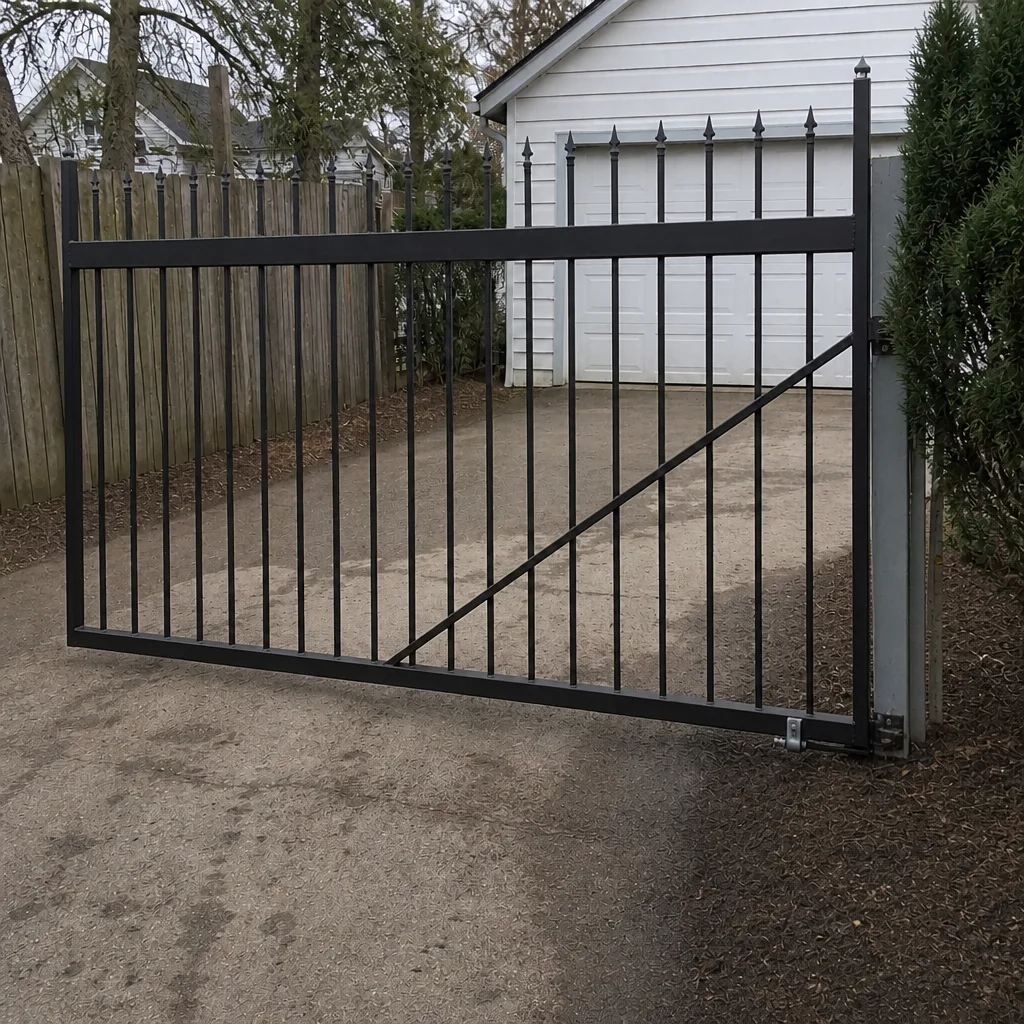
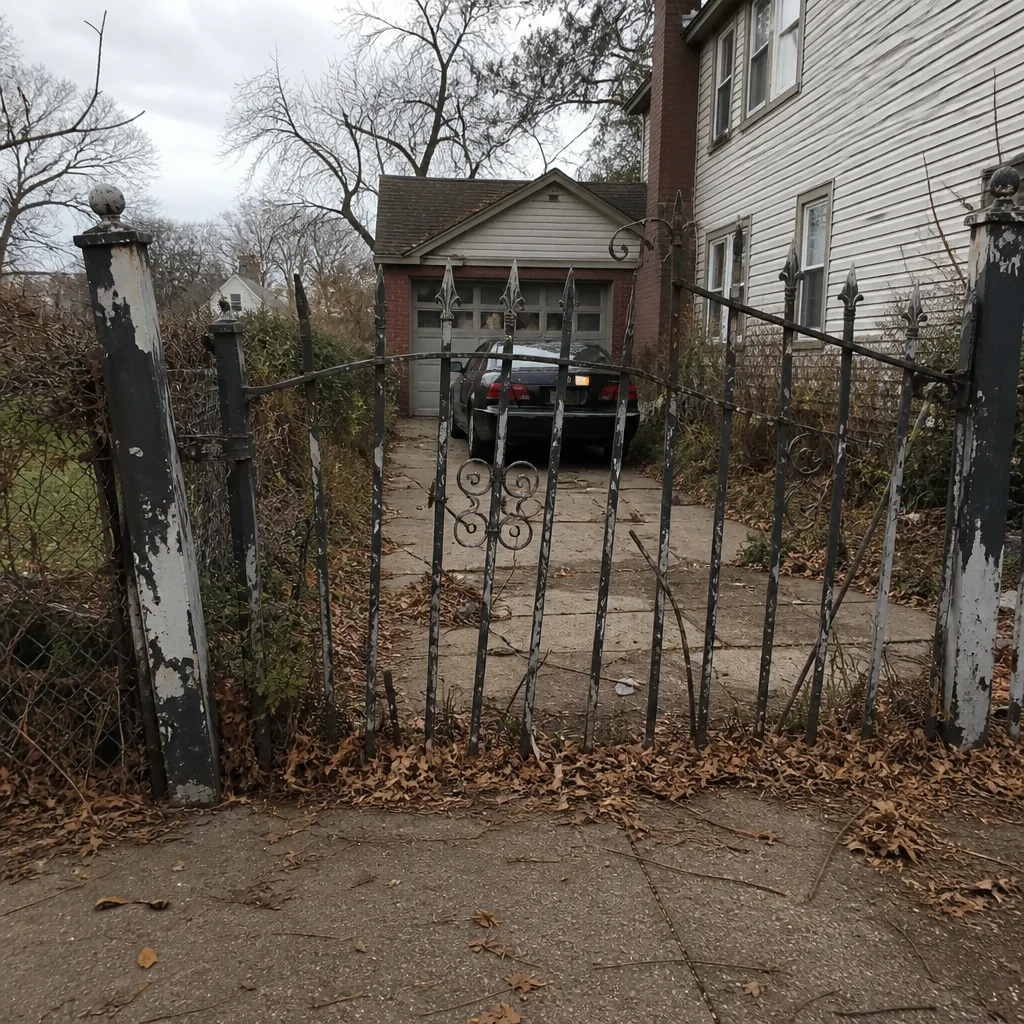
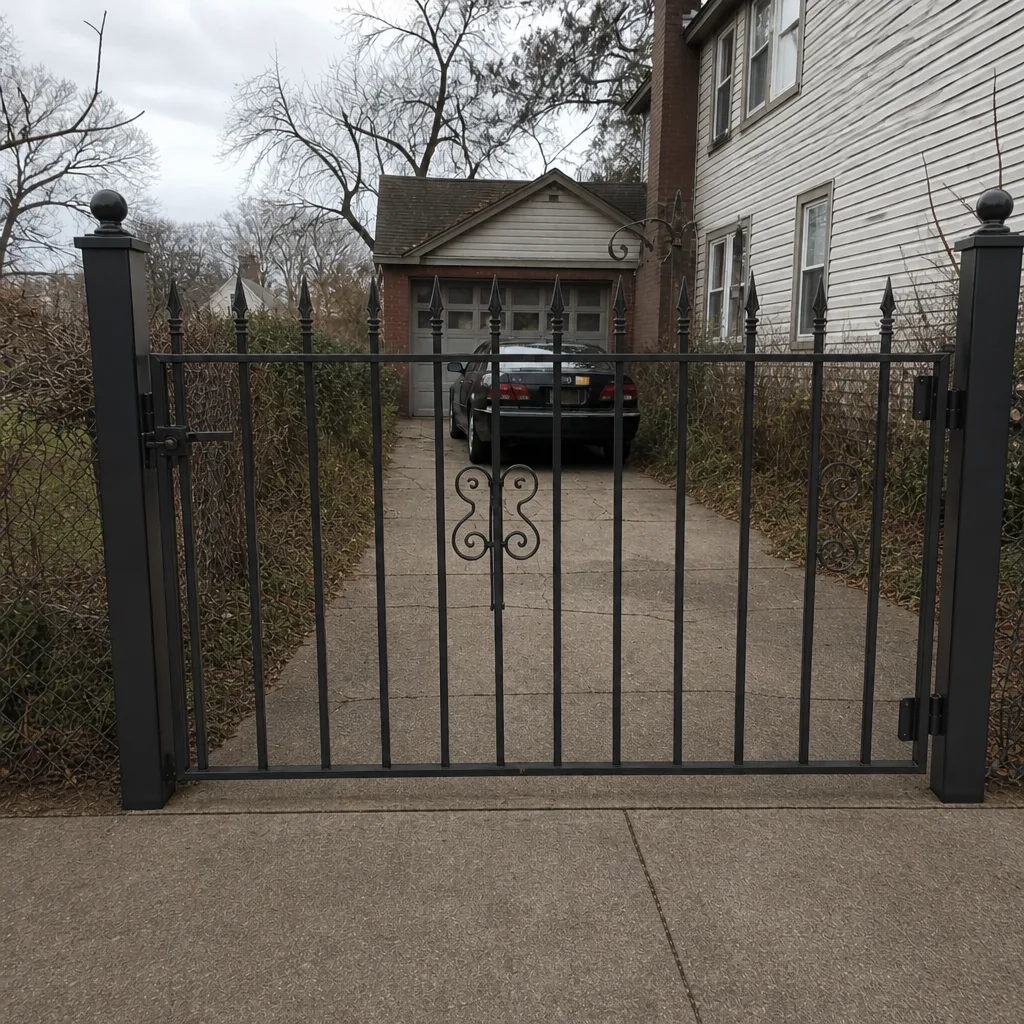
See the difference
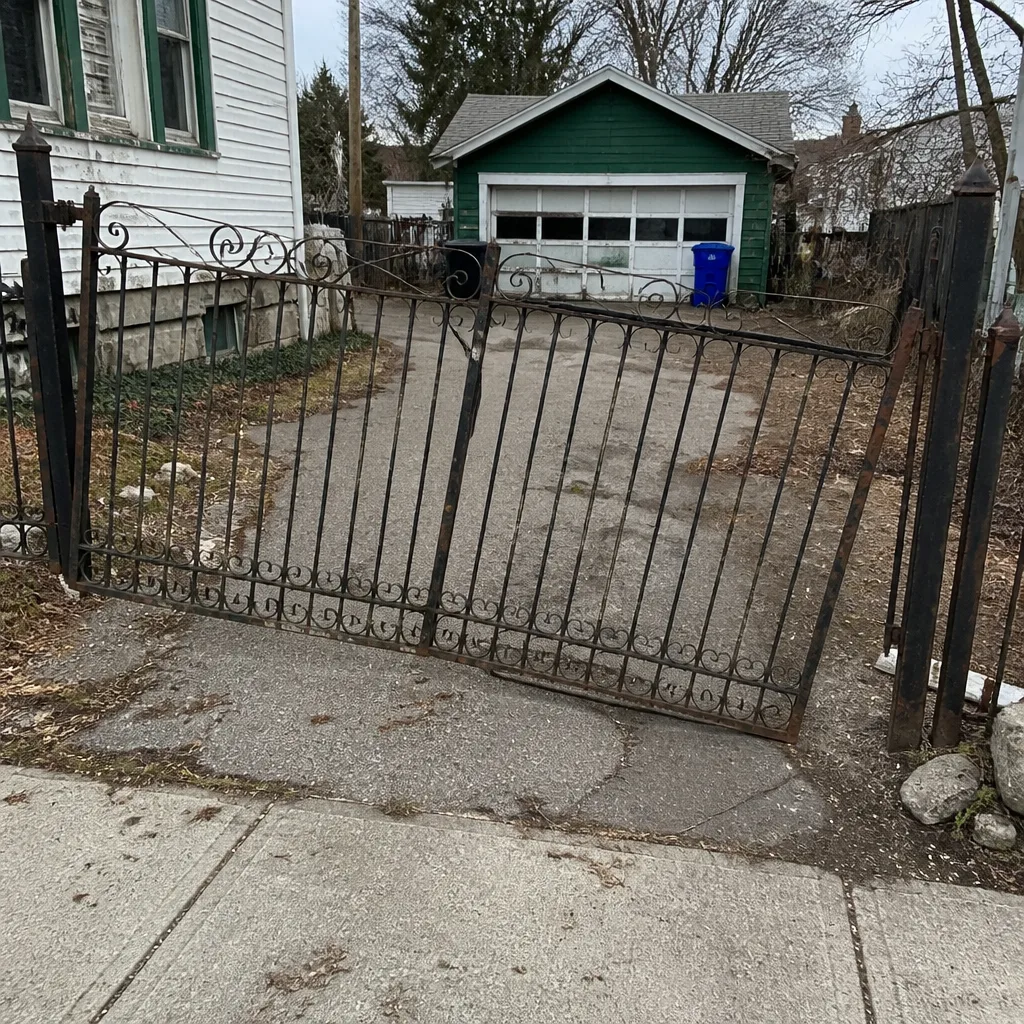 Before
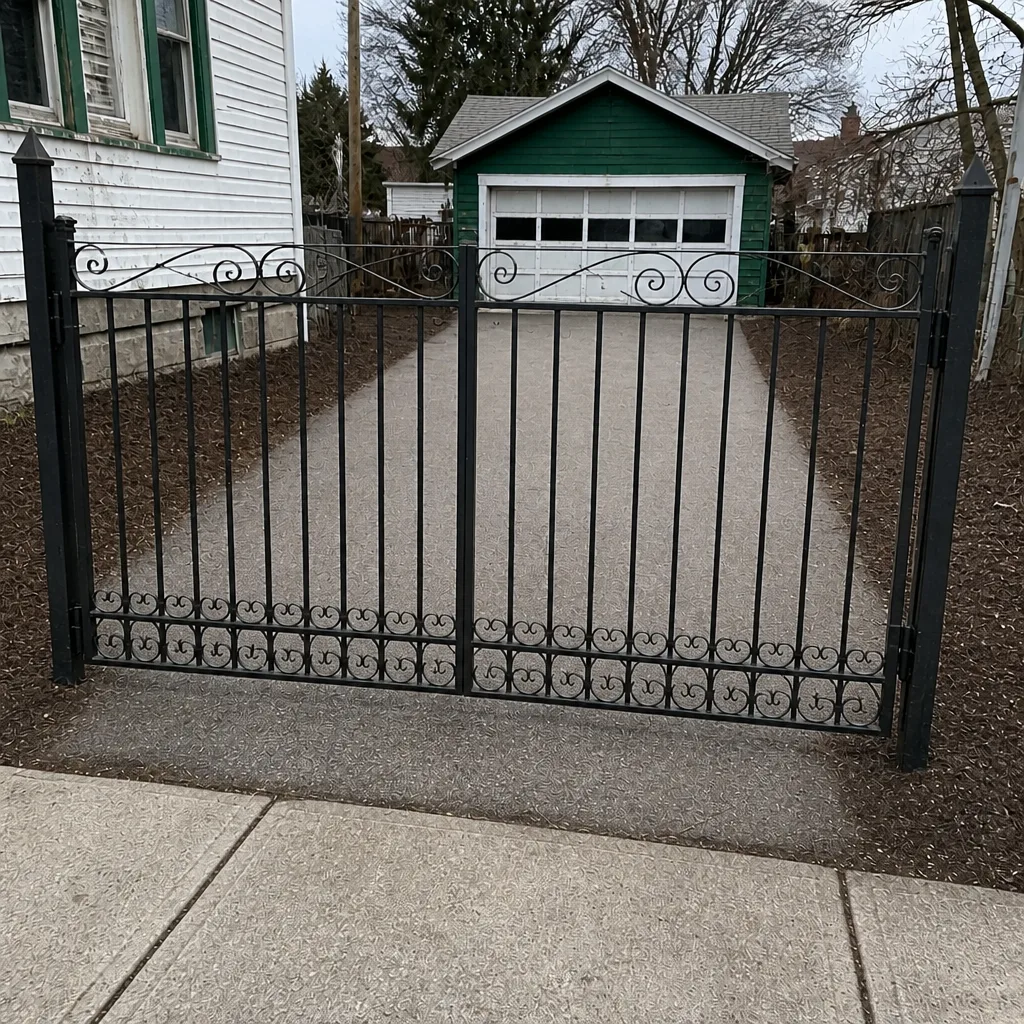 After
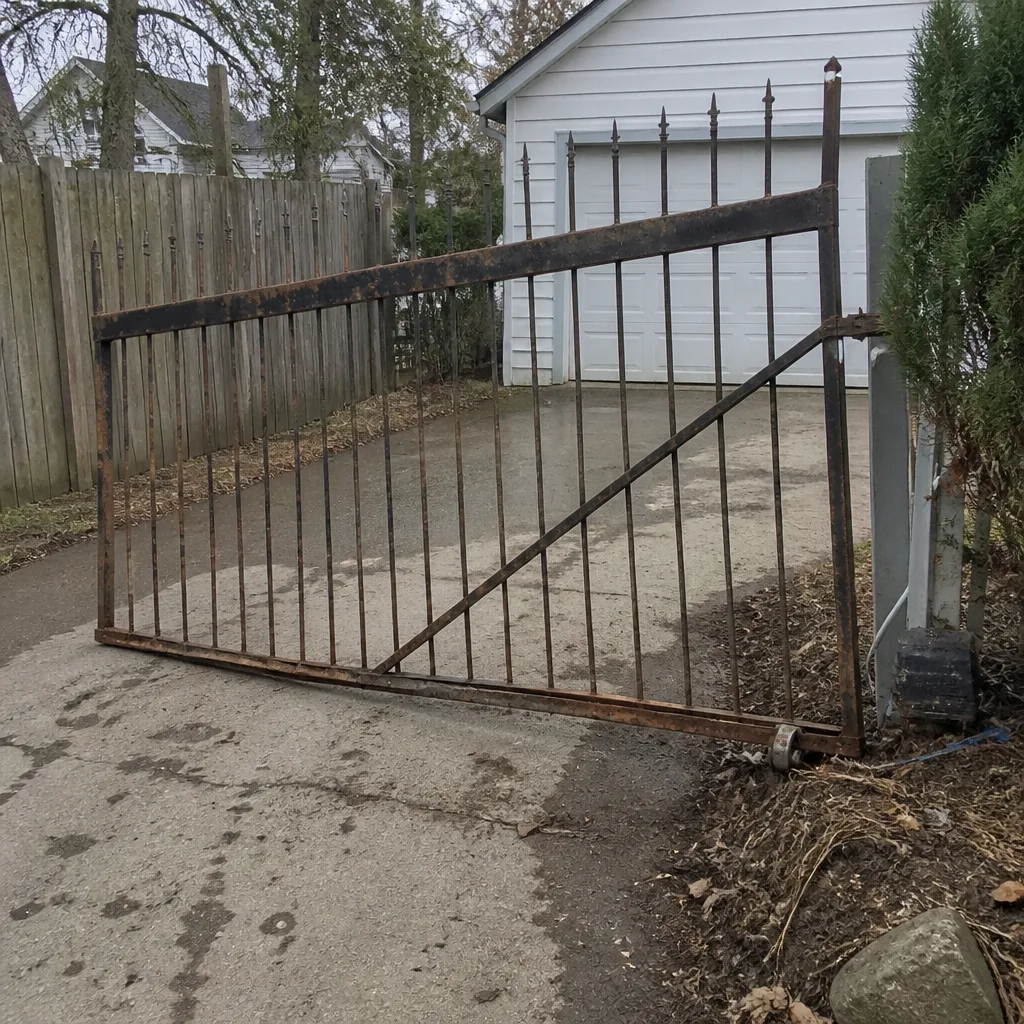 Before
 After
 Before
 After
When to Call a Professional
Brand research only takes you so far. At some point, a trained technician needs to look at the system. Call a professional when your gate stops mid-travel, reverses without a clear obstruction, or cycles inconsistently. Call when the operator hums but doesn’t move, when the remote range drops, or when a control board shows fault codes you can’t interpret. Call when your gate is binding, off its track, or hard to move by hand, since a gate that’s hard to move puts strain on the operator. Call before you buy a replacement operator if you’re not sure the failure is the operator at all, because a misdiagnosis is expensive.
The electrically driven parts of a gate carry serious hazard. Wiring, power supplies, and the motor circuits should be handled by a trained professional, and heavy gate panels and operators can cause crushing injury if they move unexpectedly. Don’t open control enclosures or attempt board-level repairs yourself. Rochester Gate Repair offers free estimates in Rochester. Call (866) 942-8010. We answer 24/7. Fast dispatch from 7am to 7pm, Sunday through Friday.
Frequently Asked Questions
There isn’t one universal best brand. For most residential driveways in Rochester, the strongest choice is a well-supported system with good cold-weather ratings and parts available locally, like Ghost Controls or Mighty Mule. For commercial and HOA access points, DoorKing and similar commercial-grade systems are built for higher duty cycles. The right brand depends on the property, the duty cycle, and local serviceability. Call (866) 942-8010 for an exact recommendation based on your gate.
Not always, and that’s one of the most important things to check before you buy. Some premium brands have very limited authorized service within a reasonable drive of Rochester, which means parts and repairs can take longer than expected. Ask any dealer directly how many qualified technicians can work on the system in your area. If the answer is thin, factor that into your decision.
Check the manufacturer’s stated operating temperature range first. A unit rated well below freezing has margin here; one rated for mild winters doesn’t. Then ask about motor thermal protection and how hydraulic systems are rated below 10°F. If the documentation doesn’t state these clearly, that’s a reason to look at another brand. Call (866) 942-8010 if you want us to review a spec sheet with you.
We work on nine major gate brands: LiftMaster, FAAC, BFT, Linear, Viking, Ghost Controls, DoorKing, Elite, and Mighty Mule. Those span popular residential openers and commercial access-control systems, so most properties in the Rochester area fall within that range. If your system is one of them, our gate repair team can diagnose it by system rather than by guesswork. Call (866) 942-8010 to confirm your model could be covered.
Usually a repair is the right call when the failure is a single component like a control board or motor, and the rest of the system is sound. Replacement makes more sense when parts are hard to obtain, the operator is undersized for the gate, or repeated failures point to an aging system. We’ll tell you which one makes sense rather than defaulting to either. Call (866) 942-8010 for an estimate.
Speed depends on the diagnosis and the parts. A technician who knows the system often identifies the fault on the first visit; the timeline after that is largely about parts availability. That’s why the brand you choose matters so much in the first place. Call (866) 942-8010 for an estimate and a clear timeline. We answer 24/7. Fast dispatch from 7am to 7pm, Sunday through Friday.
The Bottom Line
The best gate operator brand for Rochester is the one that performs in cold weather, has parts within reach, and can be serviced by more than one qualified local technician. National reputation is a weak signal on its own. Check the operating temperature floor, ask about thermal protection and hydraulic behavior below 10°F, and confirm how many technicians in the area can actually work on the system. Treat a long warranty as a starting point, not the answer. And favor brands with broad third-party support so you’re never dependent on a single dealer. Ghost Controls, Mighty Mule, Elite, and DoorKing all have a role in this market when they’re matched to the right property and supported locally.
If you’re weighing a repair against a replacement, or you want a straight answer on what your current system will cost you over time, call Rochester Gate Repair at (866) 942-8010 for a free estimate. We work on the brands actually present in this market, and we’ll tell you honestly whether a repair or a replacement makes sense.
Written by the team at Rochester Gate Repair.