
Last updated November 14, 2026
 Wrought iron
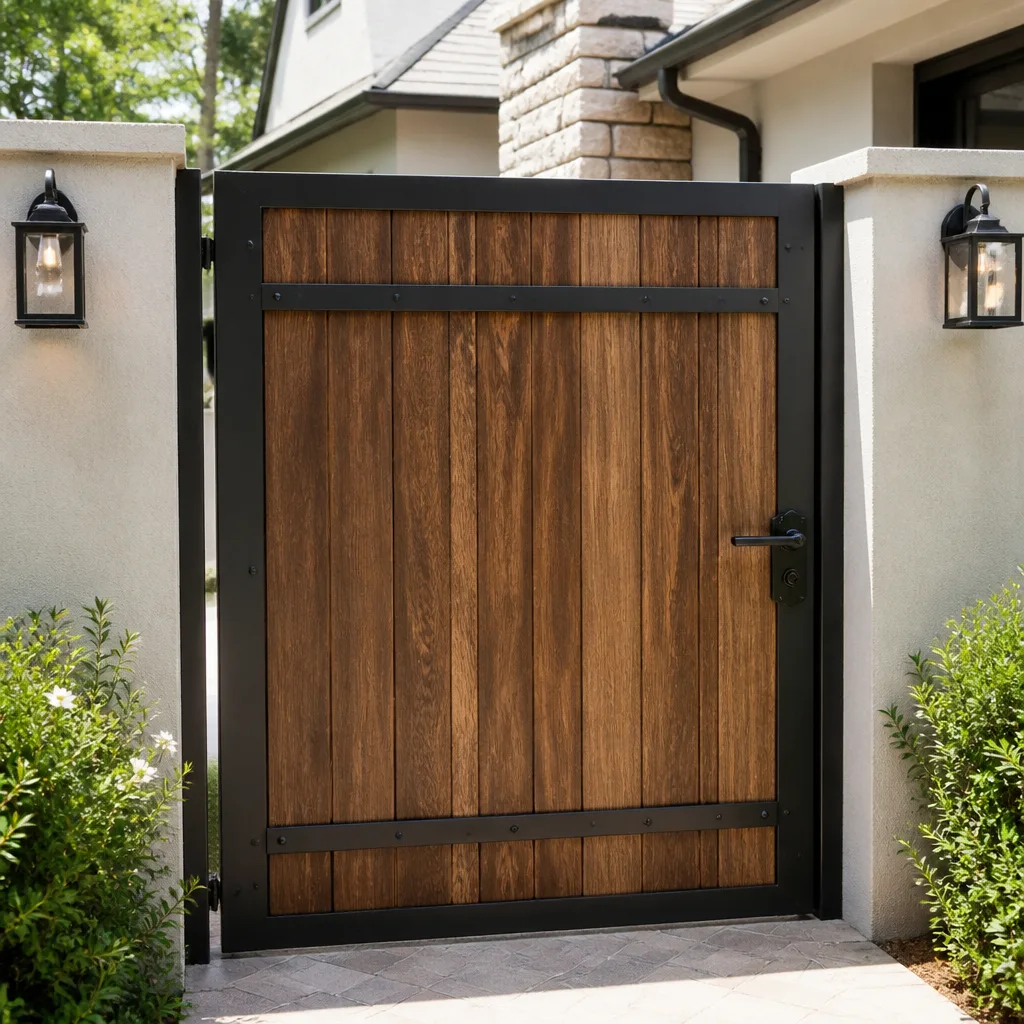 Wood & steel frame
 Farm & ranch
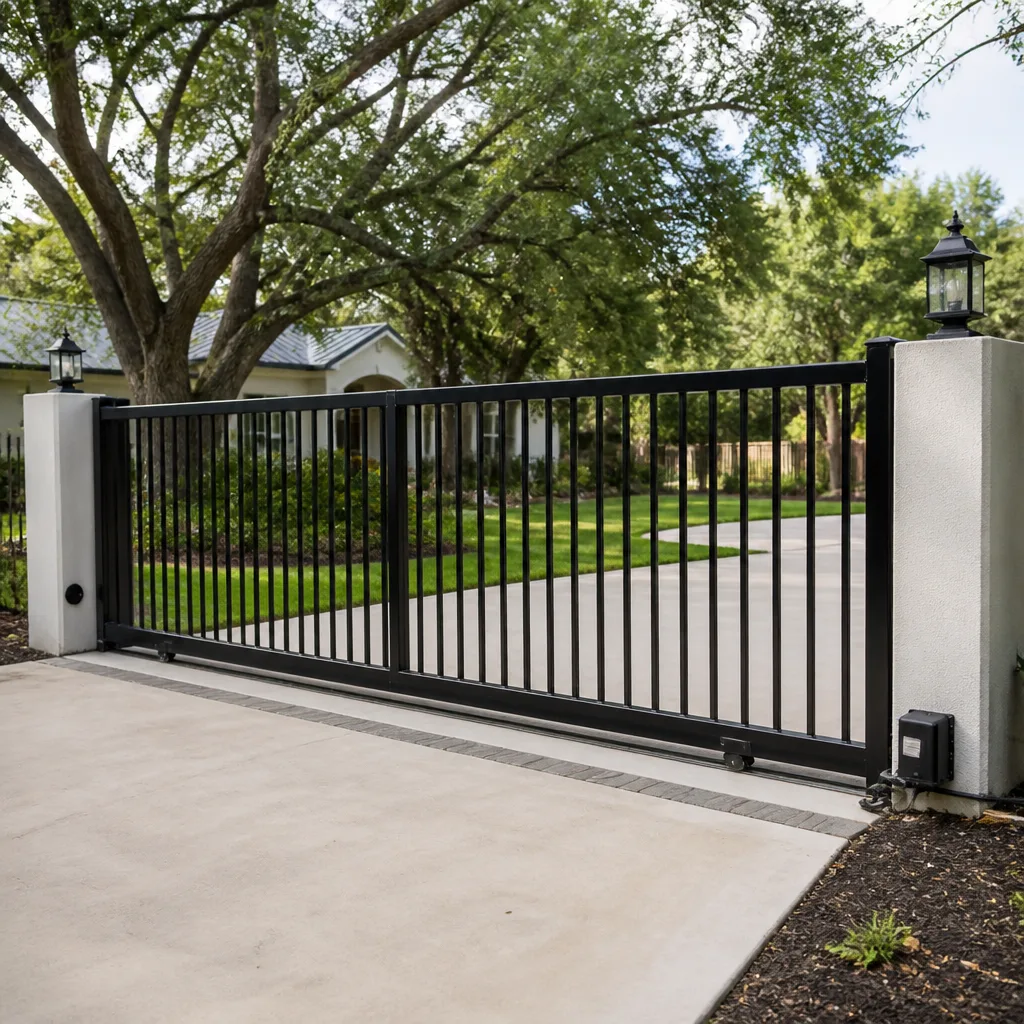 Sliding driveway gates
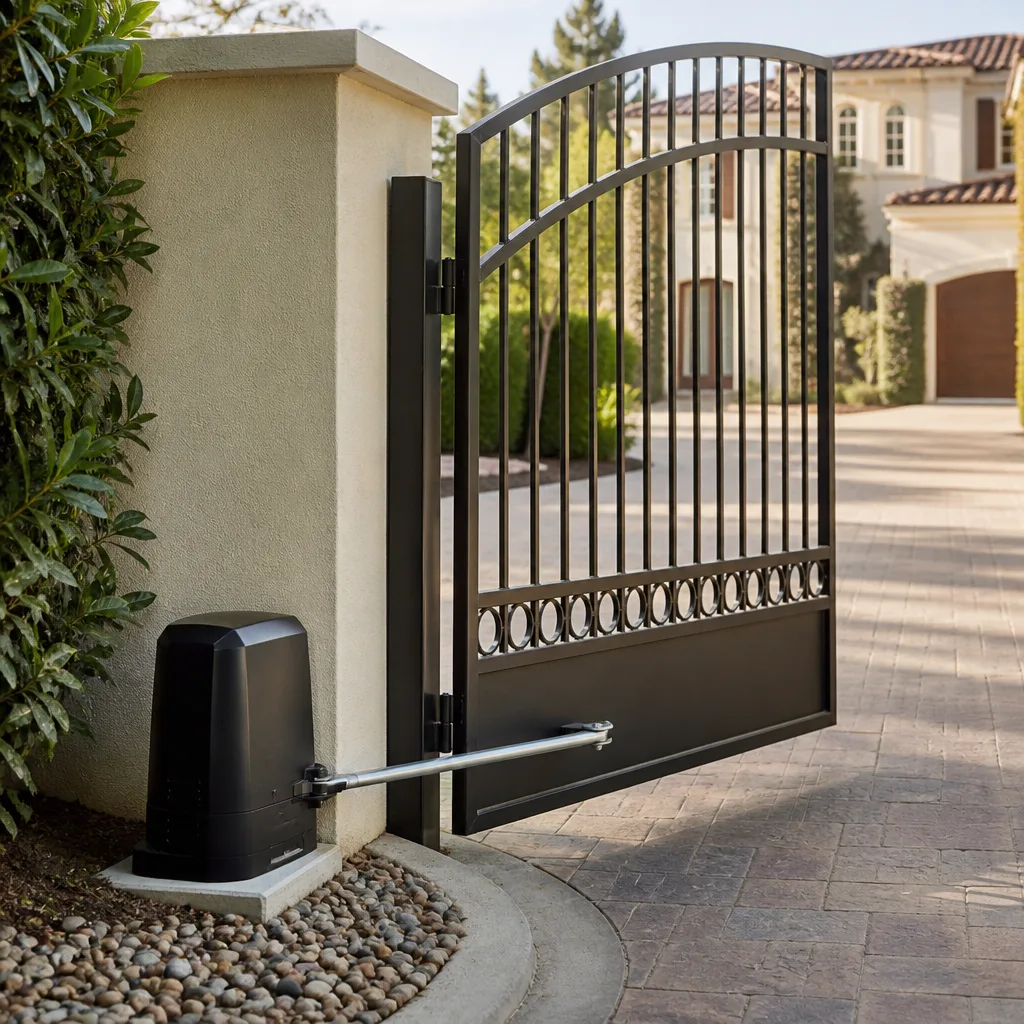 LiftMaster operators
Free on-site gate assessment - hinges, posts, and your LiftMaster or Nice gate operator checked before anything is quoted
The assessment is free and the quote is the invoice.
Get your free estimateGate Repair Troubleshooting in Rochester: Common Problems and How to Fix Them
A gate that reverses before it closes isn’t broken. Its obstruction sensor is lying to it. That one distinction explains why so many gates get replaced when they only needed an adjustment, and why a small symptom misread can turn a minor fix into a full operator replacement. Most gate failures in Rochester trace back to one of five root causes, and each one leaves a different fingerprint on how your gate behaves. Read the symptom, and you’ll know the subsystem. This guide teaches you to do exactly that before you call anyone, so you can describe the problem in the right language and get the right fix the first time.
Quick Answer
Gate repair troubleshooting in Rochester starts with matching the symptom to the subsystem: reversing points to obstruction sensors or limit switches, no movement at all points to power or the control board, slow operation points to motor strain or binding, grinding points to mechanical wear at the hinge or track, and intermittent failure points to loose wiring or a drifting limit. Falling temperatures and freeze-thaw ground movement around Rochester shift posts and misalign limits every spring, which is why so many gates act up after winter. Reset the board once to rule out a transient fault, but don’t reset it repeatedly to hide a real one.
Styles & brands we work with
- Wrought iron
- Wood & steel frame
- Farm & ranch
- Sliding driveway gates
- LiftMaster operators
Table of Contents
- The Symptom-to-Cause Map
- How Rochester’s Freeze-Thaw Cycle Moves Your Gate Posts
- Operator Faults vs. Mechanical Faults: Telling Them Apart Without Tools
- Why Resetting the Control Board Often Masks the Real Problem
- How Different Brands Signal a Fault
- The Seasonal Troubleshooting Routine for Rochester Gates
- What You Can Check Yourself and What You Shouldn’t Touch
The Symptom-to-Cause Map
Every gate failure tells you which subsystem is involved before you open a single panel. The trick is watching the gate the way a technician does: where does the motion stop, what does it sound like, and does the fault repeat every cycle or only sometimes. That observation narrows the diagnosis more than any code reader. In our experience, the majority of calls come down to one of five recognizable patterns.
Here’s the map we use to sort a problem in the first minute:
- Reverses before closing or opening. The obstruction sensor or safety edge is triggering, or a limit switch is out of position. The operator thinks something is in the way.
- No movement at all, no sound. Power, a tripped breaker, a dead battery in a solar or backup setup, or a control board that has shut down. The motor never gets the command.
- No movement but the motor hums. The operator is trying to move a gate that is bound, jammed, or too heavy to shift. This is a mechanical problem wearing an electrical disguise.
- Slow operation. Motor strain, a binding hinge, a dragging track, or a battery running low. Speed loss is friction or power, rarely the board.
- Grinding or scraping. Mechanical wear at the hinge, roller, or track. Metal-on-metal means something is out of alignment or worn out, and it doesn’t fix itself.
Intermittent failure deserves its own category. A gate that works nine times out of ten and fails on the tenth points to a loose connection, a wireless remote losing signal, or a limit switch drifting a hair each cycle until it trips. Those are the calls where the symptom disappears the moment a technician arrives, which is why describing the pattern matters. If your gate is behaving badly, a proper gate repair diagnostic starts with your description of when it fails.
How Rochester’s Freeze-Thaw Cycle Moves Your Gate Posts
Rochester winters do something to gate hardware that warm-climate troubleshooting guides never mention. The ground freezes, expands, thaws, and settles through the season, and a gate post set into that ground moves with it. Even a fraction of an inch of post shift translates to a misaligned limit switch by spring, because the operator’s travel limits are set to the gate’s position, not the other way around. This is why so many gates in Rochester start reversing or stopping short every April.
The cycle runs like this:
- Freeze. Moisture in the soil expands, lifting and pushing against the base of the post.
- Thaw. The ground softens and the post settles, often slightly out of plumb.
- Repeat. Each cycle adds a little more movement until the gate’s swing or slide path changes enough to trip a limit or bind a hinge.
- Spring reveal. The gate stops at the wrong point, reverses early, or drags because the geometry has moved.
Freeze-thaw also stresses the operator’s wiring where it enters the ground and stiffens lubricants in hinges and rollers. Western New York’s temperature swings compound it. You’ll see the effects most on older gates where the post footing has had more seasons to shift, and on long slide gates where a small drift at one end becomes a large one at the other. When the gate is the access point for a whole property, drift at the far end of a slide path is where the safety edge earns its keep.
What you should check as the ground thaws: whether the gate swings or slides freely by hand when the operator is disengaged, whether it still meets its stops squarely, and whether the post has visibly tilted. If the gate binds by hand, the problem is mechanical alignment, not the operator. That’s a repair, and it’s the reason we tell Rochester homeowners to get a gate looked at in spring rather than waiting for it to fail outright.
Operator Faults vs. Mechanical Faults: Telling Them Apart Without Tools
The single most useful skill in gate troubleshooting is separating an operator fault from a mechanical fault. Operator faults live in the electronics: settings, limits, sensors, boards, remotes. Mechanical faults live in the metal: posts, hinges, rollers, tracks, chains. They produce different symptoms, and you can tell them apart with your hands and ears before picking up a meter.
Run this test, safely, with the operator disengaged:
- Disengage the operator using its manual release lever or key, so the gate moves free of the motor.
- Move the gate by hand through its full travel. It should glide through the swing or slide with steady resistance and no catching.
- Listen. Grinding, scraping, or a hard stop means a mechanical fault at the hinge, roller, or track.
- Feel for binding. If the gate sticks at a point and needs force to pass, that’s friction, and the operator has been fighting it every cycle.
- Reengage and watch. If the gate moves smoothly by hand but the operator strains, stalls, or reverses, the fault is in the electronics or the operator itself.
If the gate moves freely but the operator still misbehaves, you’re dealing with a limit switch, sensor, board, or motor fault. That’s an electrical diagnosis. If the gate binds by hand, no amount of board resetting will fix it, because the operator is being asked to push through friction it can’t overcome. Fix the friction first; the electronics usually recover on their own once the load comes off.
Rochester’s ground movement makes mechanical faults more common here than in places where the soil stays put. A hinge that was perfectly aligned in October can be binding by March. If you can’t tell which fault you have, that’s the point where a specialist’s eyes save you money: a technician diagnoses by system, not by guesswork, and you avoid replacing an operator that was never the problem. We handle the electrical side through our electric gate repair work, and the mechanical side stands on its own.
Why Resetting the Control Board Often Masks the Real Problem
Resetting the control board is the first thing most people try, and it’s not wrong. A single reset is legitimate troubleshooting: it clears a transient fault, a power blip, or a sensor that tripped on a leaf. The problem is what happens when the reset appears to work. The gate runs for a day or a week, fails again, gets reset again, and the underlying cause keeps hiding in plain sight until the operator finally gives out. That pattern is how a small fix becomes a board or motor replacement.
Before you reset anything, check these first:
- Is the gate actually clear of obstructions? A leaf, a stick, or debris at the safety edge looks exactly like a sensor fault.
- Are the safety sensors clean and aligned? Dirty or knocked photoelectric eyes are the most common false reversal.
- Does the gate bind by hand? If it does, the reset is treating a mechanical fault with an electrical remedy.
- Is there a loose connection? A wire that intermittently loses contact produces the same fault a reset would clear, only temporarily.
- Has anything shifted since last season? Post movement from freeze-thaw is a slow, repeatable failure that resets can’t touch.
If the fault returns after a single reset, don’t reset again. That’s the signal to diagnose rather than mask. A fault that keeps coming back is telling you something is genuinely out of adjustment or failing, and repeated resets only erase the evidence a technician would use to find it. If the reset only buys you a few days, Rochester Gate Repair can trace the fault back to its source instead of clearing the symptom.
How Different Brands Signal a Fault
Gate operators don’t fail silently. Each brand tells you what’s wrong through beep codes, LED patterns, and display readouts, and knowing your brand’s language gets you to the right fix faster. We work on a documented lineup of major systems spanning residential openers to commercial access control, and the fault signals differ significantly between them.
Here’s what to watch for across common brands:
- LiftMaster: Residential and light-commercial operators, common on homes in the Rochester area. Faults usually surface as a diagnostic LED pattern that blinks in a set rhythm, or a reversal that repeats at the same point in the travel. The blink count points to the subsystem, not the symptom.
- FAAC: Commercial and heavy-duty swing and slide operators, often on HOAs and access-controlled entries. FAAC systems tend to report faults through the control board’s indicator light or a fault code tied to the specific input that’s triggering.
- Viking: Known for durable residential and commercial operators. Viking systems often signal an obstruction or limit fault through a repeated reversal or a short beep sequence at the board, and the safety edge is a frequent culprit.
- Mighty Mule: Popular DIY-friendly residential opener. These often use a beep or LED code on the control board, and low battery or a sensor out of alignment are the most common signals.
- DoorKing: Commercial access-control operators found on gated communities and lots. DoorKing systems report faults on an LED display or through specific board diagnostics, and the wiring between the entry device and operator is a common failure point.
Elite and Linear round out the brand range we handle, and each carries its own fault conventions. The universal rule is the same: check the operator’s manual for the fault table, count the blinks or read the code, and match it before touching anything. A beep pattern is data. It tells a technician which subsystem the operator already suspects. If you’re not sure what your operator is telling you, tell us the pattern when you call and we’ll know where to start.
The Seasonal Troubleshooting Routine for Rochester Gates
Rochester’s four seasons put a gate through four distinct loads, and a simple routine timed to the seasons catches most problems before they become repairs. This is the routine we’d run on our own gates. None of it requires tools beyond a visual inspection and a hand check, and none of it involves opening the operator’s electrical enclosure.
- Spring, after the ground thaws. Disengage the operator, move the gate by hand, and check for binding or grinding. Look at the posts for visible tilt. Spring is when freeze-thaw reveals itself, so this is the most important check of the year.
- Early summer. Clean the safety sensors and safety edge, clear debris from the track or slide path, and test the reversal function by placing an obstruction and confirming the gate stops and reverses.
- Late summer. Check the hardware: hinge bolts, roller condition, chain tension on chain-drive operators, and the alignment of the gate to its stops.
- Fall, before the first hard freeze. Lubricate the moving mechanical parts per your operator’s recommendations, test the battery backup if you have one, and clear leaves and debris so nothing freezes into the track.
- Winter. Keep the path and sensors clear of snow and ice, and watch for slower operation, which often signals stiff lubricant or low battery rather than a motor failing.
Winter is also when intermittent electrical faults show up, because cold affects batteries and stiffens moving parts. If your gate is slow on a cold morning but fine by afternoon, that’s a temperature signal, not an operator failure. Log the behavior: which cycle, what temperature, which direction. That log turns a “sometimes it fails” call into a precise diagnosis.
What You Can Check Yourself and What You Shouldn’t Touch
Some gate troubleshooting is entirely safe to do yourself, and some of it genuinely isn’t. Knowing the line protects you and protects the equipment. Here’s the honest split.
Safe to check yourself:
- Whether the gate moves freely by hand with the operator disengaged.
- Whether the safety sensors or safety edge are dirty, blocked, or misaligned.
- Whether the gate meets its stops and travels its full path without binding.
- What your operator’s fault display or beep pattern is reporting, and what the manual says it means.
- Trip breakers and battery condition on systems that run on backup power.
Not safe to attempt yourself:
- Control board and wiring work inside the operator. Line voltage and stored energy in the board’s components can injure you even after the breaker is off. Board-level diagnostics and replacement belong to a technician.
- Power runs and electrical connections. If a gate has lost power or the wiring looks damaged, stop and call a professional.
- Releasing or repairing heavy gate panels. A gate panel that comes off its track or hinges can crush a hand or drop on you.
- Slide gates that have come off the track. Re-seating a heavy sliding gate is a two-person job with the right equipment and real injury risk without it.
- Adjusting limits on a commercial or access-control operator without knowing how the safety inputs interlock. A wrong limit on a high-use gate is dangerous.
The parts of a gate that move electricity or carry the weight of a heavy panel are where injuries happen. A trained technician works around that equipment daily and knows how to isolate it safely. Everything on the “safe” list, do it, and log what you find. Everything on the other list is where a specialist earns the call.
Common Mistakes to Avoid
- Resetting the board over and over instead of diagnosing. One reset clears a transient fault. The second, third, and fourth reset on the same fault is hiding a real problem that will only get worse. Diagnose the repeat fault.
- Assuming post movement means the whole gate is failing. In Rochester, a post that has shifted over winter misaligns the gate’s travel but rarely means the operator or gate needs replacement. The alignment just needs to be restored.
- Greasing everything to stop a grinding noise. Lubricant on the wrong component, or the wrong type, collects grit and accelerates wear on moving parts. Lubricate only what the operator recommends, where it recommends it.
- Adjusting limit switches before checking the gate by hand. If the gate binds, moving the limits only relocates the stall point. Fix the friction first, then check the limits.
- Ignoring slow operation as “just old.” A gate that used to move faster is telling you the motor is under strain or the battery is low. Slowing down is a symptom, not a personality trait.
- Overriding the safety sensors to make the gate close. A sensor that stops the gate is doing its job. Bypassing it removes the protection that keeps a heavy gate from closing on a person or a vehicle.
- Waiting until the gate fails completely. Gates rarely fail without warning. The intermittent reversal in October is the spring breakdown. Catch the symptom early and you avoid an operator replacement.
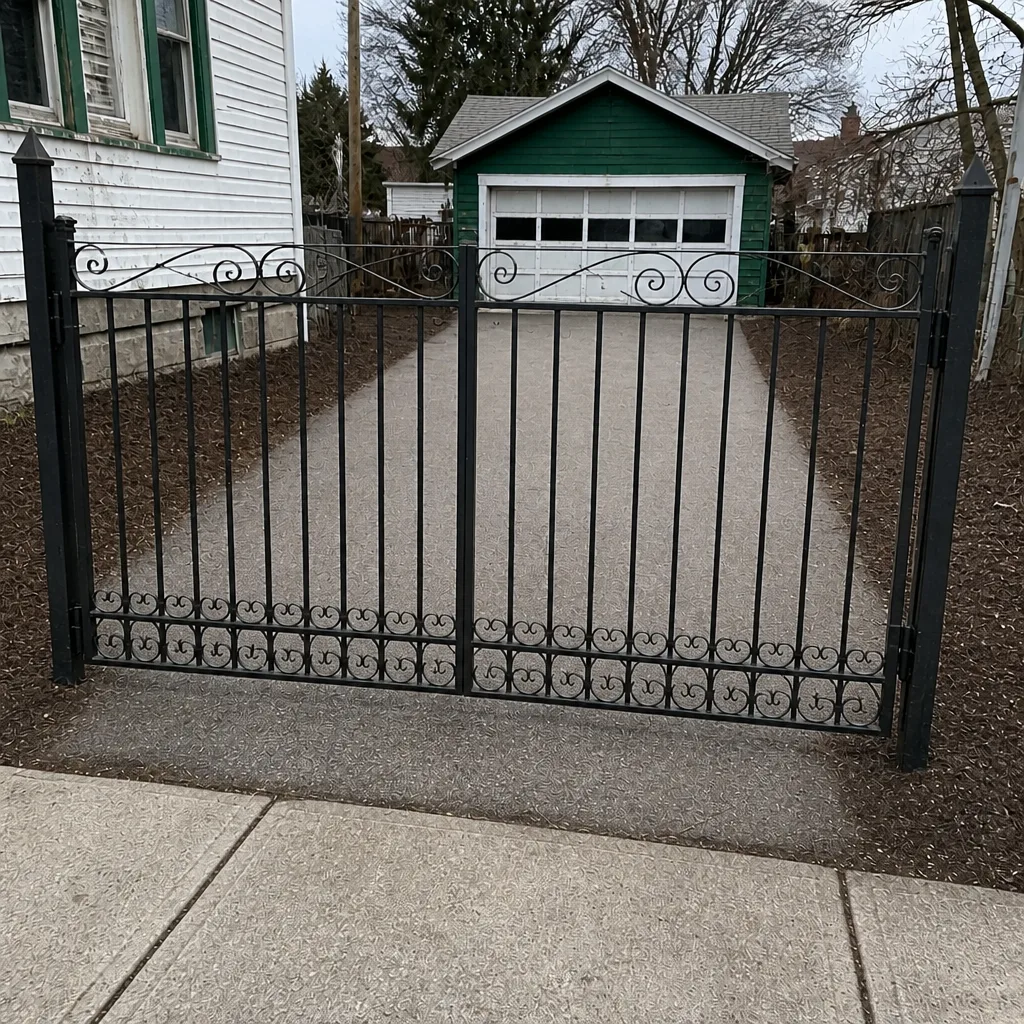
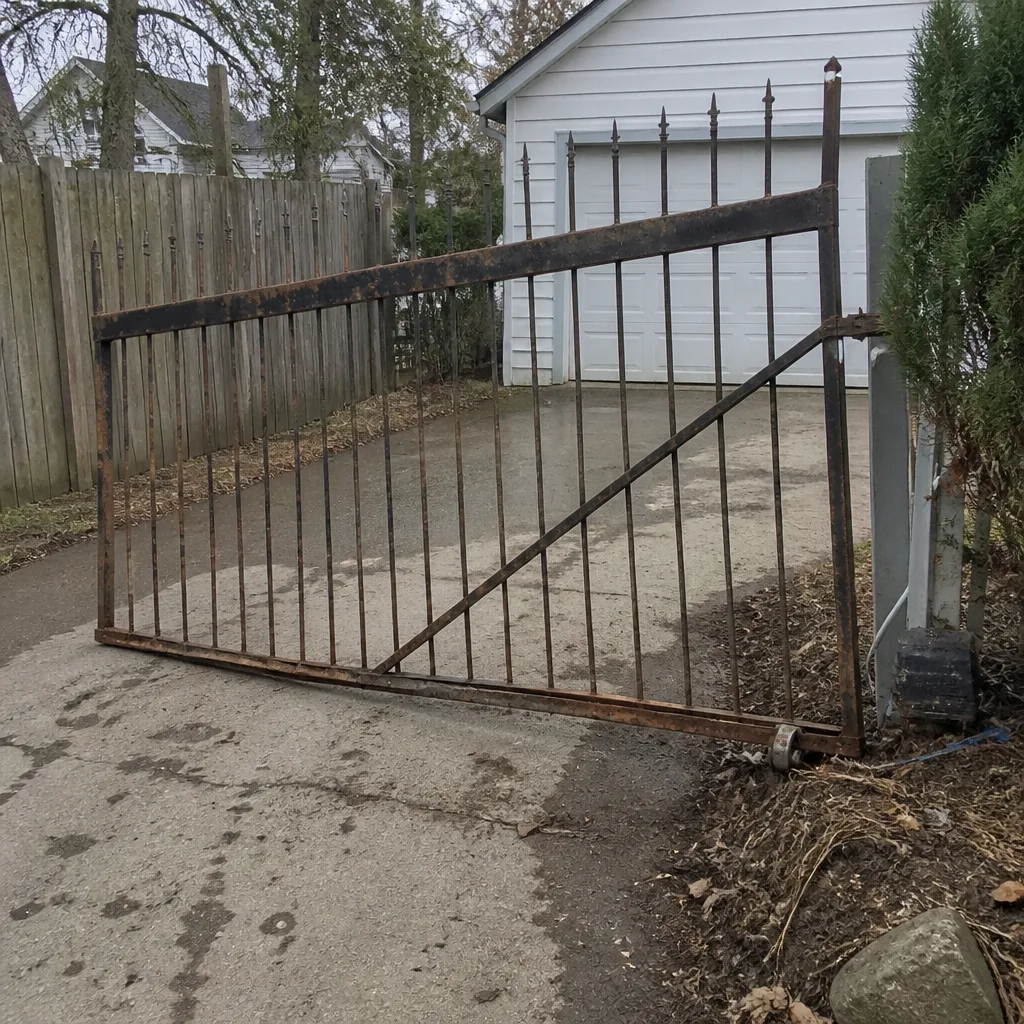
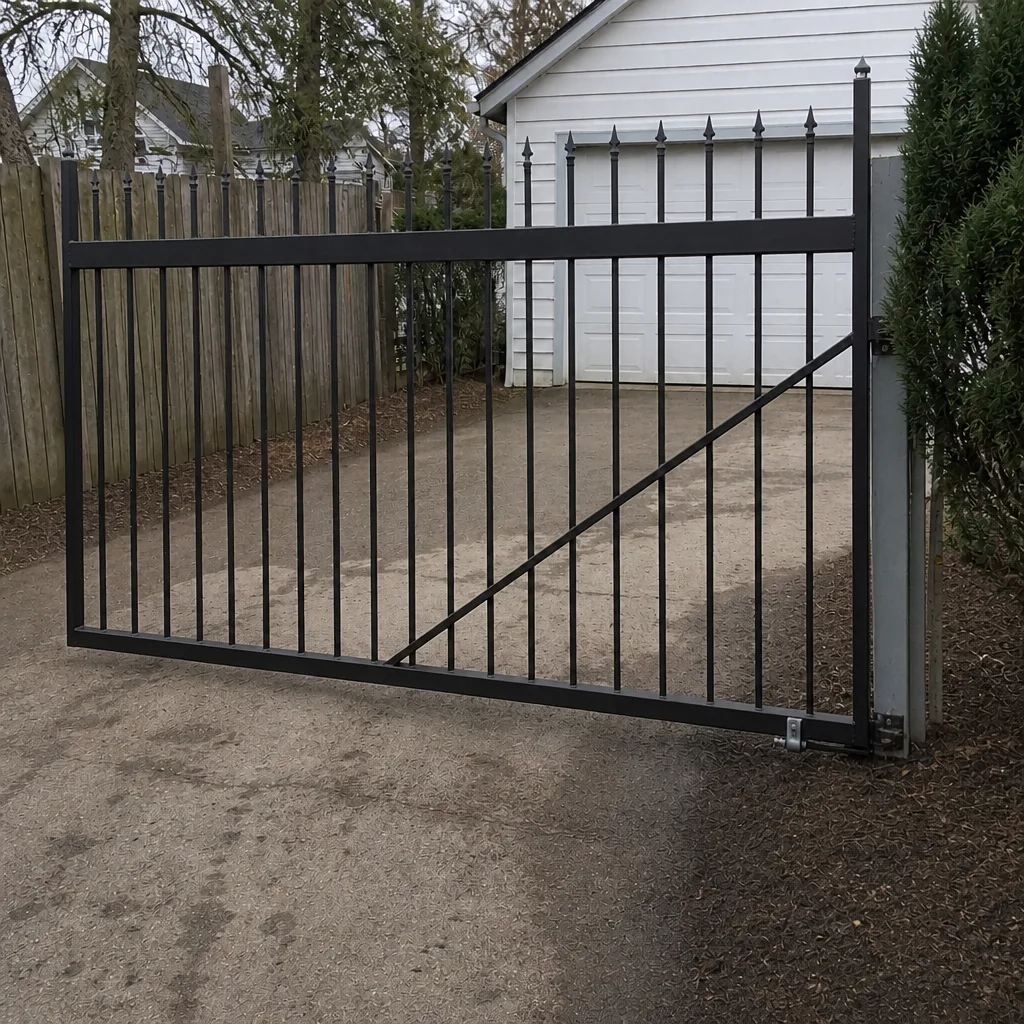
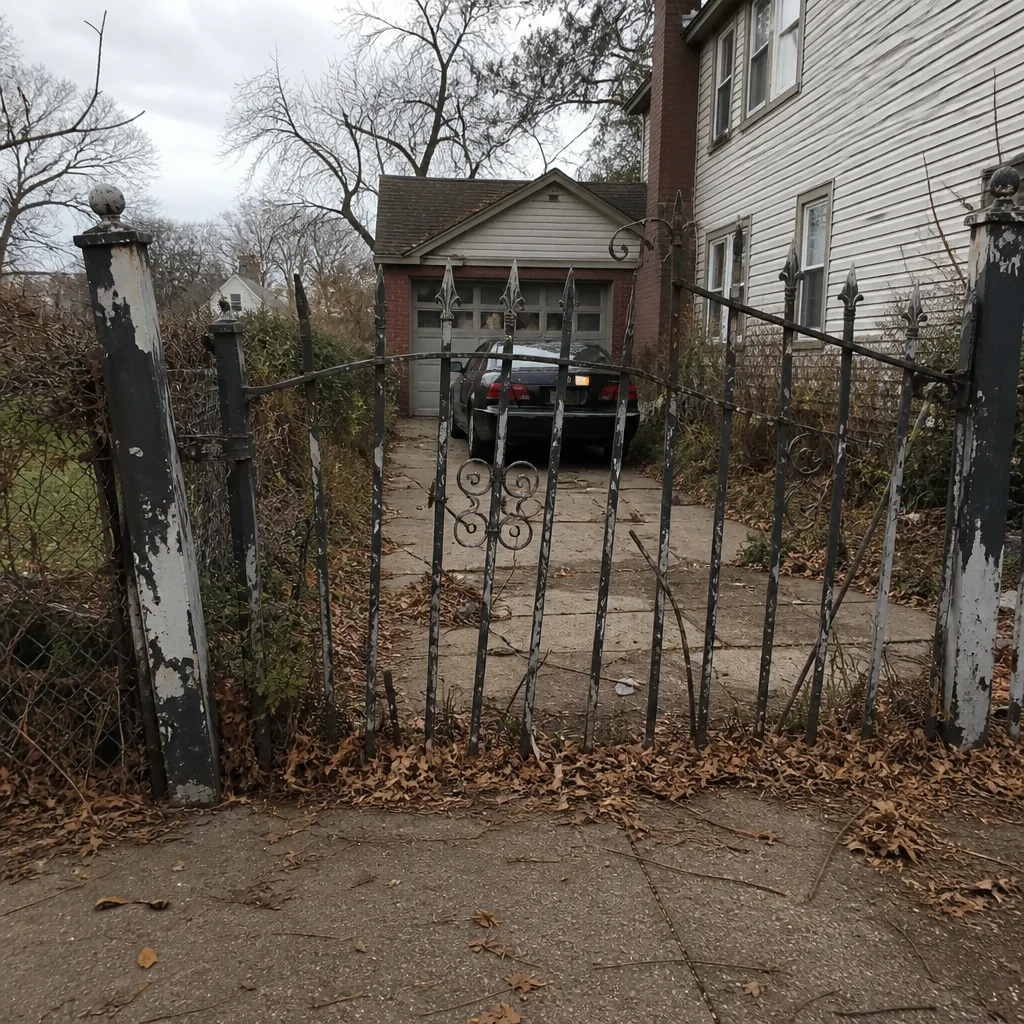
See the difference
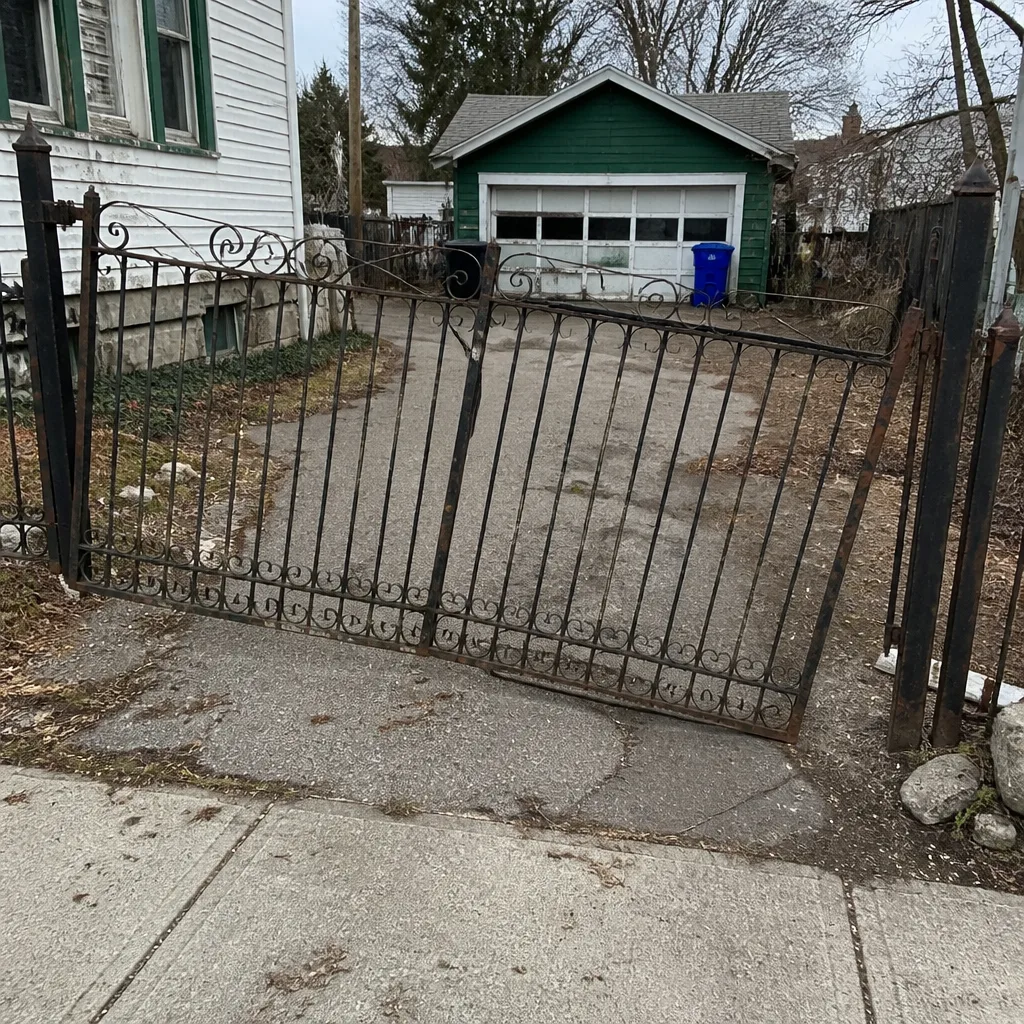 Before
 After
 Before
 After
 Before
 After
When to Call a Professional
Call a professional when the gate reverses or stops at the same point every cycle, when it binds by hand, when the operator shows a fault code you can’t match to a manual entry, or when the gate hums but doesn’t move. Also call if the gate has lost power, if wiring looks damaged, or if a slide gate has come off its track. Those last three involve line voltage or a heavy panel, and they’re not safe to handle alone. If the same fault has survived one reset, that’s your signal too. It’s how a small adjustment turns into a safe, permanent fix instead of a temporary one.
Rochester Gate Repair offers free estimates in Rochester. Call (866) 942-8010 for an exact quote, with fast dispatch from 7am to 7pm. Our technicians have up to 10 years of experience, and we work on your brand: LiftMaster, FAAC, BFT, Linear, Viking, Ghost Controls, DoorKing, Elite, and Mighty Mule. Repair or replace, we’ll tell you which one makes sense before any work starts.
Frequently Asked Questions
A gate that reverses before closing almost always has an obstruction sensor or safety edge that’s triggering when it shouldn’t. Leaves, snow, misaligned photoelectric eyes, or dirt on the sensor produce a false obstruction, and the operator reverses to protect what it thinks is in the way. Clean and realign the sensors, check the safety edge for debris, and if the reversal continues at the same point every cycle, a limit switch is the next suspect. Call (866) 942-8010 for a free estimate if the reversal won’t clear.
Freeze-thaw ground movement is the usual culprit. The soil in Rochester expands and contracts through the season, shifting the gate post a fraction of an inch, which is enough to misalign the limit switches and make the gate bind. Disengage the operator and move the gate by hand: if it binds, the fix is mechanical alignment, not the operator. Call (866) 942-8010 to get the alignment checked before the binding wears the operator out.
You can safely check several things yourself: whether the gate moves freely by hand, whether the sensors are clean and aligned, whether the gate meets its stops, and what the operator’s fault display reports. Board-level electrical work, power runs, and re-seating a heavy panel are not safe to attempt. The gate carries real weight and the operator carries line voltage. Call (866) 942-8010 for anything beyond the safe checks, and we’ll diagnose the rest.
The operator is telling you which subsystem is failing. Each brand reports faults differently: a diagnostic LED blink pattern on a LiftMaster, a board indicator on a FAAC, a beep sequence on a Viking, a display code on a DoorKing. Match the code to the fault table in your operator’s manual. If you don’t have the manual, tell us the brand and the pattern when you call (866) 942-8010, and we’ll know where to start.
Gate repair in Rochester is priced per job by a written estimate, and the price is quoted and agreed before any work starts. What you pay depends on whether the fault is an operator adjustment, a sensor or limit issue, a mechanical repair to a hinge or track, or a board or motor replacement. We don’t add a fee for urgent work, so a same-day call costs the same as a scheduled one. Call (866) 942-8010 for a free estimate.
Yes. We handle residential openers like Mighty Mule, Ghost Controls, and LiftMaster alongside commercial and access-control-grade systems like FAAC, BFT, DoorKing, and Viking. That range matters for Rochester properties that combine a home gate with an HOA or access-controlled entry: one specialist can diagnose the whole setup by system instead of by guesswork. Repair or install, we cover the full gate lifecycle. Call (866) 942-8010 for a free estimate.
The Bottom Line
Most gate failures declare themselves through a symptom before they become expensive. Reversal points to sensors or limits, no movement points to power or the board, slow operation points to strain, grinding points to mechanical wear, and intermittent failure points to a loose connection or a drifting limit. Reset the board once, but never twice to hide a repeat fault. Rochester’s freeze-thaw cycle is the local wildcard that shifts posts and misaligns limits every spring, so check the gate by hand before blaming the operator. Read the symptom, separate the electrical from the mechanical, and you’ll know whether you have a small adjustment or a real repair on your hands. Repair or replace, we’ll tell you which one makes sense.
Rochester Gate Repair is a gate-only specialist serving homeowners and property managers across Rochester. We answer 24/7. Call (866) 942-8010 for a free estimate, with fast dispatch from 7am to 7pm, Sunday through Friday. The estimate is free, the price is quoted and agreed before any work starts, and our technicians have up to 10 years of experience on the brands you own.
Written by the team at Rochester Gate Repair.