
Last updated November 14, 2026
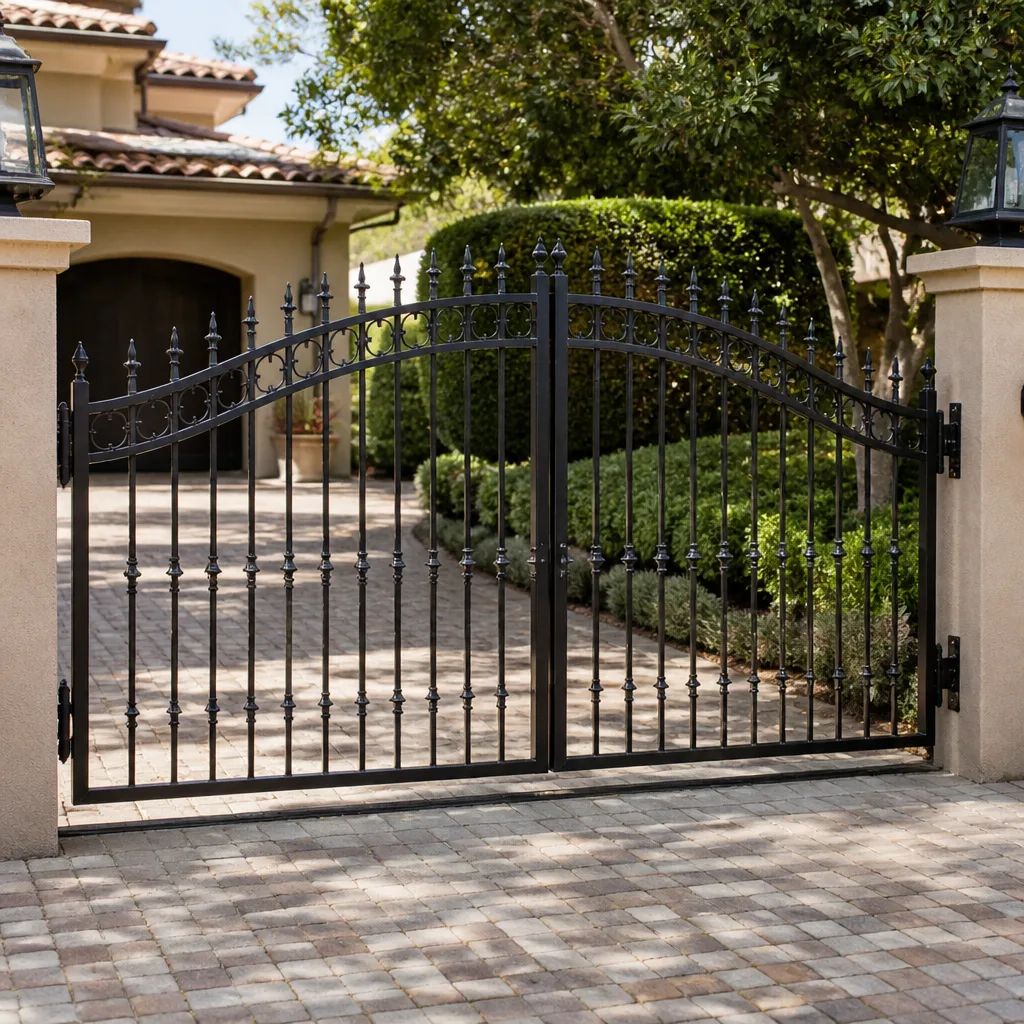 Wrought iron
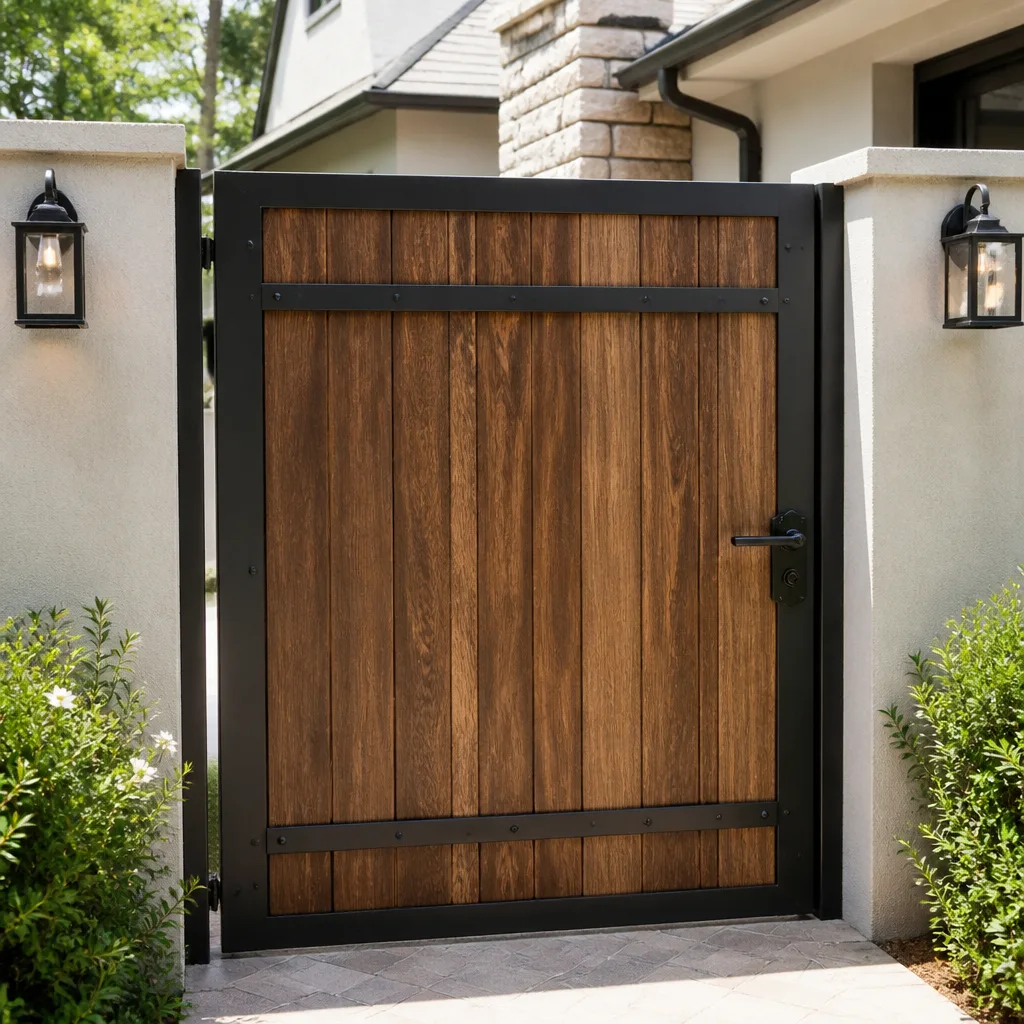 Wood & steel frame
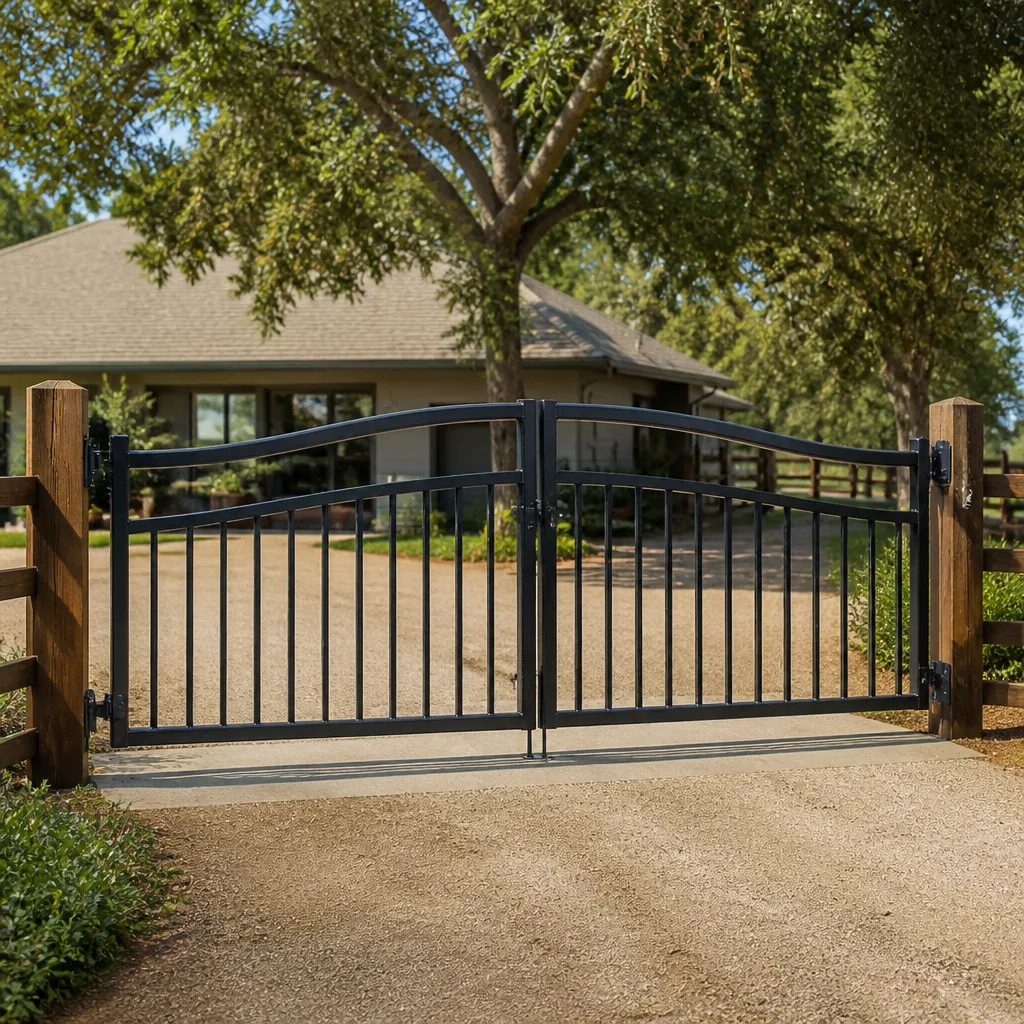 Farm & ranch
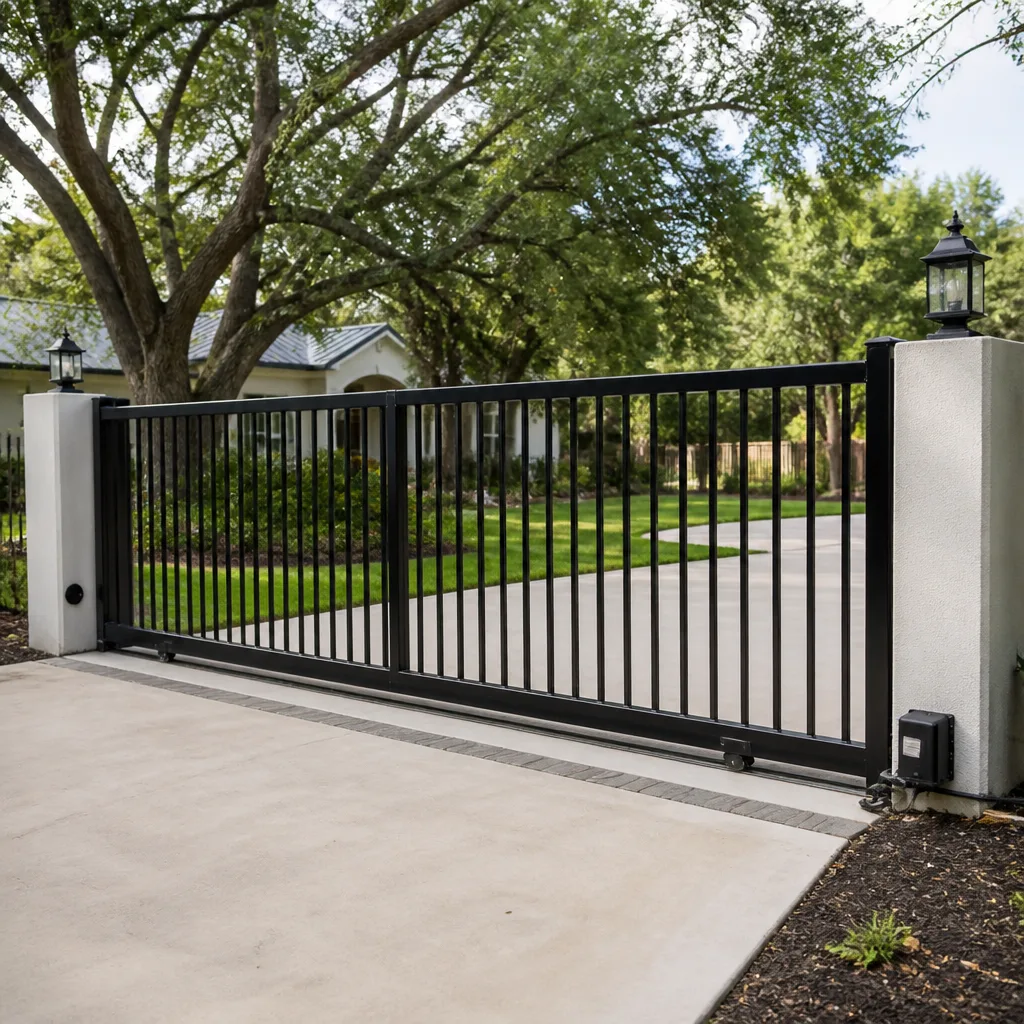 Sliding driveway gates
 LiftMaster operators
Free on-site gate assessment - hinges, posts, and your LiftMaster or Nice gate operator checked before anything is quoted
The assessment is free and the quote is the invoice.
Get your free estimateGate Repair Maintenance Schedule: What to Do and When
The most expensive gate repairs we see in Rochester don’t start in March. They start in January, when nobody walked out to the gate during a cold snap and looked at the track. By the time things thaw, water has worked into the same hairline seams it always does, freeze-thaw cycles have shifted a post a fraction of an inch, and a gate that was fine in November needs real work in April. Gate maintenance isn’t one annual chore. It’s a calendar of four distinct seasonal passes, each aimed at a specific stress this climate puts on your system that month. In this guide we’ll walk through the full year, month by month, and separate what you can safely check yourself from what belongs with a technician.
Quick Answer
A working gate maintenance schedule in Rochester should be split across the year: a late-fall pass in November before the ground freezes (batteries, seals, drainage, hardware torque), a mid-winter check in January or February (snow and ice load, battery backup, operator temperature), an early-spring pass in March after thaw (track alignment, footing, lubrication), and a summer pass for heat-related checks on hydraulic operators and control boards. Lubrication is seasonal, not annual, and it varies between swing and slide gates. Anything touching battery banks, control boards, firmware, or hydraulic pressure belongs with a gate technician.
Styles & brands we work with
- Wrought iron
- Wood & steel frame
- Farm & ranch
- Sliding driveway gates
- LiftMaster operators
Table of Contents
- Why a Seasonal Schedule Beats a Single Annual Inspection
- November: The Pre-Freeze Pass That Saves You a March Repair
- January and February: The Mid-Winter Battery and Ice Check
- March: What to Look For After the Thaw
- Summer: Heat, Hydraulics, and Control Boards
- Lubrication Points That Differ Between Swing and Slide Gates
- What You Can Safely Do Yourself vs. What Needs a Technician
- Brand-Specific Maintenance Notes
Why a Seasonal Schedule Beats a Single Annual Inspection
One-and-done maintenance advice sounds tidy, but it doesn’t match how gate systems actually fail in a cold inland climate. Rochester sees real freeze-thaw cycling from roughly late November through March. Water gets into a track, a hinge, or a seam, freezes overnight, expands, and then drains away. Repeat that cycle enough times and metal that looked fine in the fall starts to show play, pitting, or misalignment in the spring. A single inspection in, say, June can’t catch damage that’s being done in January.
The four seasonal passes we recommend each target a different failure mode:
- Late fall: sealing, drainage, battery health, and hardware torque before the ground freezes.
- Mid-winter: ice and snow load, battery backup for power outages, and operator behavior in the cold.
- Early spring: track and post alignment, lubrication refresh, and any damage that shows up after thaw.
- Summer: heat effects on hydraulic operators, control board behavior, and safety sensor alignment.
We work on gate systems across Rochester across the full range of brands, from residential openers like Ghost Controls to commercial access systems like DoorKing, and the pattern is consistent: gates that get the November and March passes need noticeably fewer mid-year repairs than gates that get a single look in July. If you’re mapping out a maintenance calendar, Rochester Gate Repair is where the schedule starts, and gate repair is where most problems get resolved once they’re found.
November: The Pre-Freeze Pass That Saves You a March Repair
November is the most important single visit on this calendar. Once the ground freezes solid, you lose the ability to adjust a footing, re-tension a swing gate hinge, or correct a track that’s drifted a fraction of an inch. Everything that can be done with the ground still soft should be done before that window closes. Here’s the November checklist, in the order we’d run it:
- Walk the full range of travel. Open and close the gate manually (if manual operation is possible on your system) and look for binding, dragging, or a spot where the gate hesitates.
- Check drainage at the base. Water pooling near a post or track at freeze-up means ice at the base all winter. Clear leaves and debris from any French drain or channel near the gate.
- Inspect seals and weatherstripping. Gaskets on the operator housing and control box should be seated. A cracked seal lets in moisture that freezes and cracks the housing.
- Torque hardware. Check bolts on hinges, brackets, and motor mounts against the manufacturer spec (usually on the installation sheet or in the manual). Loose hardware becomes catastrophic under ice load.
- Test the battery backup under load. More on this below, but November is when you want to catch a weak battery before the power goes out in an ice storm.
- Lubricate with the right product. Which points and which product depends on swing versus slide, covered further down.
- Photograph everything. Take dated photos of the track, posts, and hardware. If something shifts over the winter, you’ll be able to say when it happened.
The other thing November does is surface problems early. A control board that’s starting to fail often shows its first hiccup as the temperature drops, because solder joints and capacitors behave differently in the cold. If we catch that in November, we can order the replacement board and have the gate back to full function before the worst weather. If it fails in January during an ice storm, you’re waiting on a part.
January and February: The Mid-Winter Battery and Ice Check
Rochester winters knock out power, and a gate operator without a working battery backup is a dead gate for however long the outage lasts. That’s the primary reason for the mid-winter pass. Test your battery backup deliberately, not by waiting for a real outage:
- Put the operator in manual (or trip the breaker, if you’re comfortable doing so) to simulate a power loss.
- Operate the gate through a full open and close cycle.
- Watch for hesitation, slow travel, or a gate that stops partway. Any of those means the battery can’t carry the load in cold weather.
- Restore power and confirm the operator picks back up normally.
Battery capacity drops in cold weather, so a battery that’s marginal in July can fail outright in January. If the backup test is weak, plan on replacing the battery rather than waiting for it to strand you. On systems like Elite and Ghost Controls, the battery test is a simple push-the-button check; on commercial controllers like DoorKing, it’s usually logged in the board’s event history, and reading that history takes a technician.
Ice and snow load is the second January concern. Never chip or scrape the track or gate with a metal tool; that’s a fast way to gouge the metal. If snow has piled against the gate and it’s starting to strain the operator, clear it gently by hand or with a plastic shovel. If the gate sticks and the operator is straining to push through the ice, stop and let it sit rather than forcing it; motor strain from fighting ice load is one of the most common winter failure modes we see. And if the gate is stuck frozen, don’t try to force it open by hand. Call and we’ll figure out whether it’s an operator issue or a mechanical bind.
March: What to Look For After the Thaw
Spring is when winter’s damage becomes visible, and it’s also the window when you can still fix things before the ground firms up for the summer schedule. Here’s what to check after the thaw, in order:
- Walk the gate through its full cycle. Watch for anything that was smooth in November but is binding or dragging now. That’s the freeze-thaw signature.
- Look at the post bases. Frost heave moves posts a fraction of an inch, and a swing gate that operated smoothly with a 1/16-inch misalignment often drags noticeably after winter. Check for soil settling around the base and any gap between the post and concrete.
- Inspect the track on a slide gate. Mud, grit, and broken bits of seal or bearing can accumulate over winter. A track with debris in it wears rollers fast.
- Refresh lubrication. Re-lubricate the points that saw the most winter stress: hinges, rollers, and any exposed pivot points. Use the right product for the material (below).
- Re-test the battery backup. If you didn’t replace a marginal battery in January, do it now. Winter’s over, but the gate still needs a working backup for the next outage.
- Check the safety sensors. Snow, ice, and debris can knock a photoelectric sensor out of alignment. Aim it per the manual and confirm it trips the gate when interrupted.
March is also when we see the fence line around the gate settle, which can put a hairline gap between the gate and the post that wasn’t there in the fall. This is minor if it’s a fraction of an inch, but if it’s growing month to month, it’s a sign the footing is moving and needs a technician to look at it.
Summer: Heat, Hydraulics, and Control Boards
Summer heat stresses gate systems differently than winter. Hydraulic operators (FAAC and BFT both build systems with hydraulic drive trains) can behave differently in hot weather. Hydraulic fluid expands with heat, and an operator that’s slightly overfilled or has a marginal seal can start to bypass or drip more in July than in April. If you notice fluid near the operator housing or a gate that travels more slowly in the heat, that’s a hydraulic pressure issue, not something to solve with more fluid.
Control boards also take a beating in summer. Dust, pollen, and heat combine to stress solder joints and components on the board. If you get intermittent faults in hot weather (a gate that “just stops” occasionally with no clear cause), a board issue is a real possibility. On commercial access systems like DoorKing, the board logs fault codes and event history that make this diagnosis quick for a technician.
The summer pass, in order:
- Clean the track and pivot points of dust and pollen.
- Inspect hydraulic lines and fittings (hydraulic systems only) for weeping or cracking.
- Re-aim safety sensors after the summer growth spurt (vegetation and grass can interfere with a photoelectric beam).
- Re-torque the hardware (expansion and contraction over the season loosens bolts).
- Check operator housing vents are clear.
If you’re seeing intermittent faults, unusual noises, or a gate that occasionally reverses itself, that’s a control issue and it belongs with a technician. electric gate repair is where those board and motor issues get resolved.
Lubrication Points That Differ Between Swing and Slide Gates
This is where most generic articles get it wrong. The lubrication schedule and the specific product differ between a swing gate and a slide gate, and using the wrong product accelerates wear rather than preventing it. Here’s the breakdown:
Swing Gate Lubrication
- Hinges and pivot pins: grease or heavy oil, applied to the pivot point and worked in by opening and closing the gate a few times. Do NOT spray WD-40 on these. WD-40 is a water displacer, not a long-term lubricant; it evaporates and leaves the pivot under-lubricated.
- Latch and striker: light grease or the manufacturer-specified product.
- Operator arm pivot (if automated): the pivot point between the arm and the gate, per the operator manual. On systems like Ghost Controls and Elite, the manual usually names a specific product.
Slide Gate Lubrication
- Track: do NOT spray WD-40 or light oil on the metal track. In Rochester’s sub-zero temps, light oils get viscous or dry out, and a coated track collects grit that grinds into rollers. The track should be cleaned and left dry or treated with a dry graphite or manufacturer-specified product.
- Rollers and wheels: grease per the roller spec, applied to the axle, not the rolling surface.
- Rack and pinion (if the operator uses one): rack grease, applied to the gear teeth per the operator manual.
What NOT to use in Rochester’s climate
- WD-40 as a long-term lubricant on any moving metal surface.
- Light machine oil on exposed tracks (it fails in sub-zero weather).
- Any heavy grease on a slide gate track (it collects grit and becomes an abrasive paste).
If you’re not sure which product your operator manual specifies, call the manufacturer’s spec sheet up or have a technician confirm it. Wrong-product lubrication is one of the fastest ways to shorten the life of a gate’s mechanical parts.
What You Can Safely Do Yourself vs. What Needs a Technician
A lot of gate maintenance is well within reach for a homeowner or property manager who’s comfortable with basic tools. A lot of it isn’t, and some of it is dangerous. Here’s the split we recommend:
Safe to do yourself (with the operator off and the gate in manual)
- Cleaning the track and removing debris.
- Lubricating hinges, pivots, and rollers with the correct product.
- Re-torquing visible bolts on brackets and hinges to the manual’s spec.
- Testing battery backup (trip the breaker and run a cycle).
- Re-aiming photoelectric safety sensors.
- Clearing snow and ice by hand (never with a metal tool).
- Photographing your gate over the seasons for your own records.
Needs a technician
- Hydraulic pressure adjustments (FAAC, BFT, and similar systems): setting or changing hydraulic pressure requires the right gauge and the manufacturer’s spec. Getting it wrong damages the operator or (worse) creates a gate that moves unpredictably. Do NOT adjust hydraulic pressure yourself.
- Control board work: diagnostic work, board replacement, and firmware updates on any operator that has a programmable board. Touching the board without training risks damaging it, wiping settings, or voiding the warranty.
- Battery replacement on commercial controllers: safe enough on most residential operators, but DoorKing and similar access systems often have the battery bank tied into the access controller, which needs to be handled carefully.
- Any electrical work on the power run: the 120V or 240V feed to the operator is dangerous and needs a licensed electrician in most jurisdictions.
- Footing or post issues: if a post has shifted or the footing is settling, correcting it is a structural job.
When in doubt, a single technician visit is cheaper than a damaged board or an operator that fails in a way nobody can diagnose. We’re gate-only specialists, so we’re not guessing about the operator board or the hydraulic spec on your system.
Brand-Specific Maintenance Notes
Different brands have different maintenance realities. Here are a few of the systems we work on most in Rochester, and what the seasonal schedule looks like for each:
Ghost Controls (Residential)
Battery test is straightforward on a residential Ghost Controls system, and the operator usually documents its own fault codes on the control panel. Door and gate cycle counts matter: if you’re at the top of the manufacturer’s cycle range for the operator, the motor brushes are getting close to the end. Check the manual for the cycle count and plan accordingly.
Elite (Residential and Light Commercial)
The seasonal pass on an Elite operator is mostly battery, sensor alignment, and lubrication. The board is a little less forgiving than some residential systems about power surge, so a surge protector on the operator feed is worth adding if you don’t already have one.
DoorKing (Commercial and Access Control)
DoorKing controllers log fault and event history that make diagnostics fast. The seasonal pass should include pulling that history and looking for anything that repeats. Access control (keypads, card readers, intercoms) is a separate system and needs its own maintenance: dirty contacts on a card reader and a failing board both present as “the gate won’t open.”
Viking (Residential and Commercial)
Viking operators are common on residential swing gates and light commercial. Battery, sensor alignment, and hinge lubrication are the main seasonal items. Viking boards are generally robust, but a board with a lot of cycles and a hot summer can start to misbehave, so the summer check is worth running even if the gate seems fine.
Common Mistakes to Avoid
- Spraying WD-40 on the track or hinges. It displaces water but it doesn’t lubricate long-term, and in sub-zero temps it dries out and leaves the metal unlubricated. Use the product the operator manual specifies.
- Waiting until something breaks. Gate repairs after a mid-winter failure are the most expensive in our schedule, because you’re paying both for the repair and for the downtime. The November pass is cheap; a February failure is not.
- Forcing a frozen gate. If the gate is stuck and the operator is straining, stop. Forcing it damages the motor, the gearbox, or the arm. Let it be until the ice clears or a technician gets there.
- Skipping the battery test. A battery that’s fine in July can fail in January. Test it deliberately in the fall and the mid-winter, not by waiting for a real outage.
- Adjusting hydraulic pressure or firmware without the spec. On FAAC, BFT, and similar hydraulic systems, this is the fastest way to damage the operator. Call a technician.
- Ignoring safety sensors after the summer. Grass and vegetation grow into a photoelectric beam. Re-aim sensors after the summer growth spurt.
- Clearing snow with a metal shovel or chipper against the gate. You’ll gouge the finish and, worse, twist the frame. Use a plastic shovel.
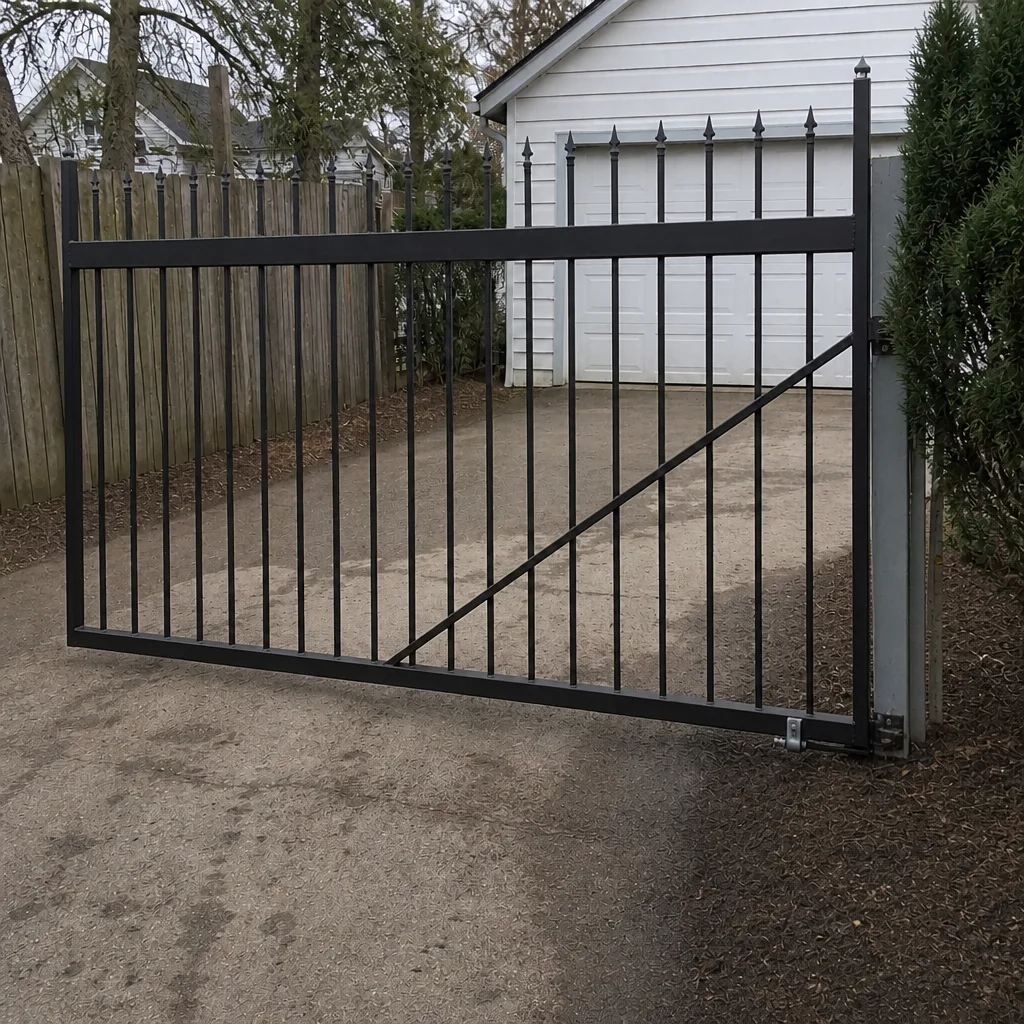
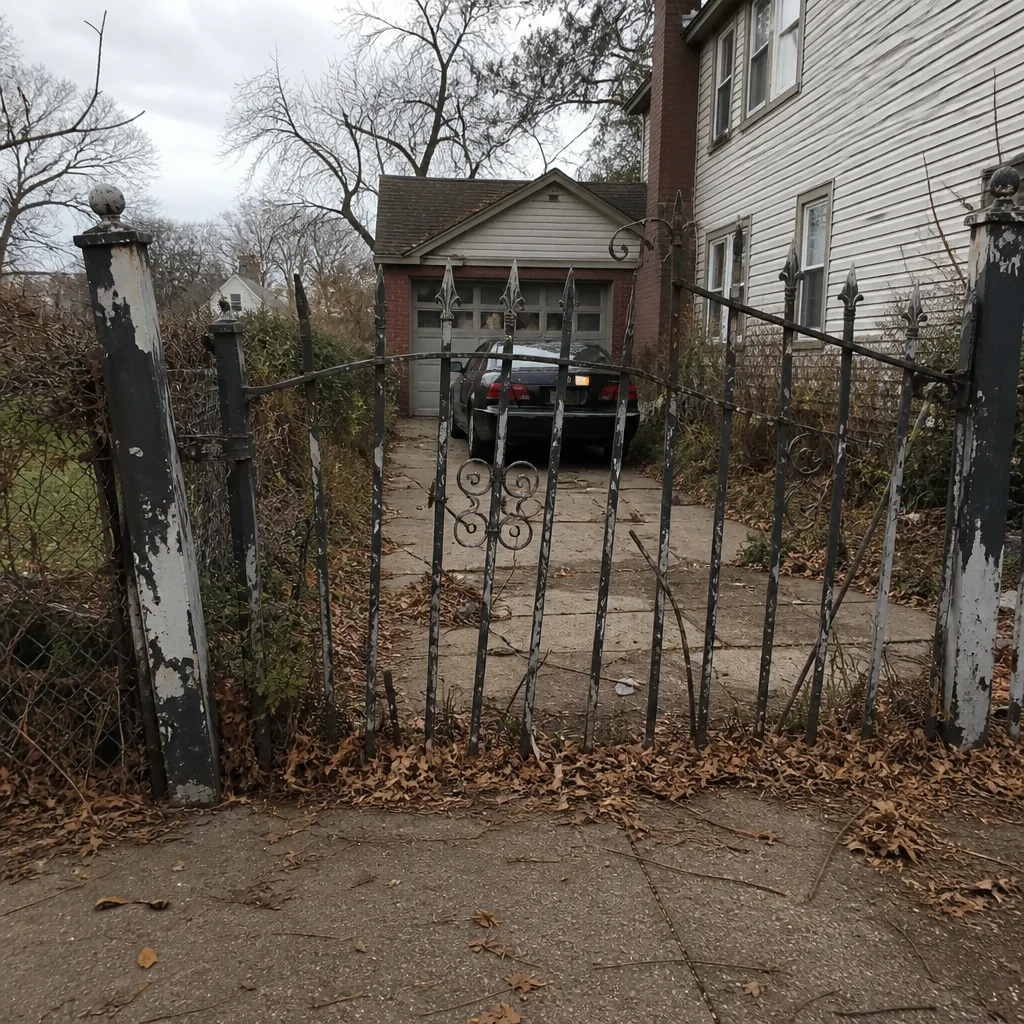
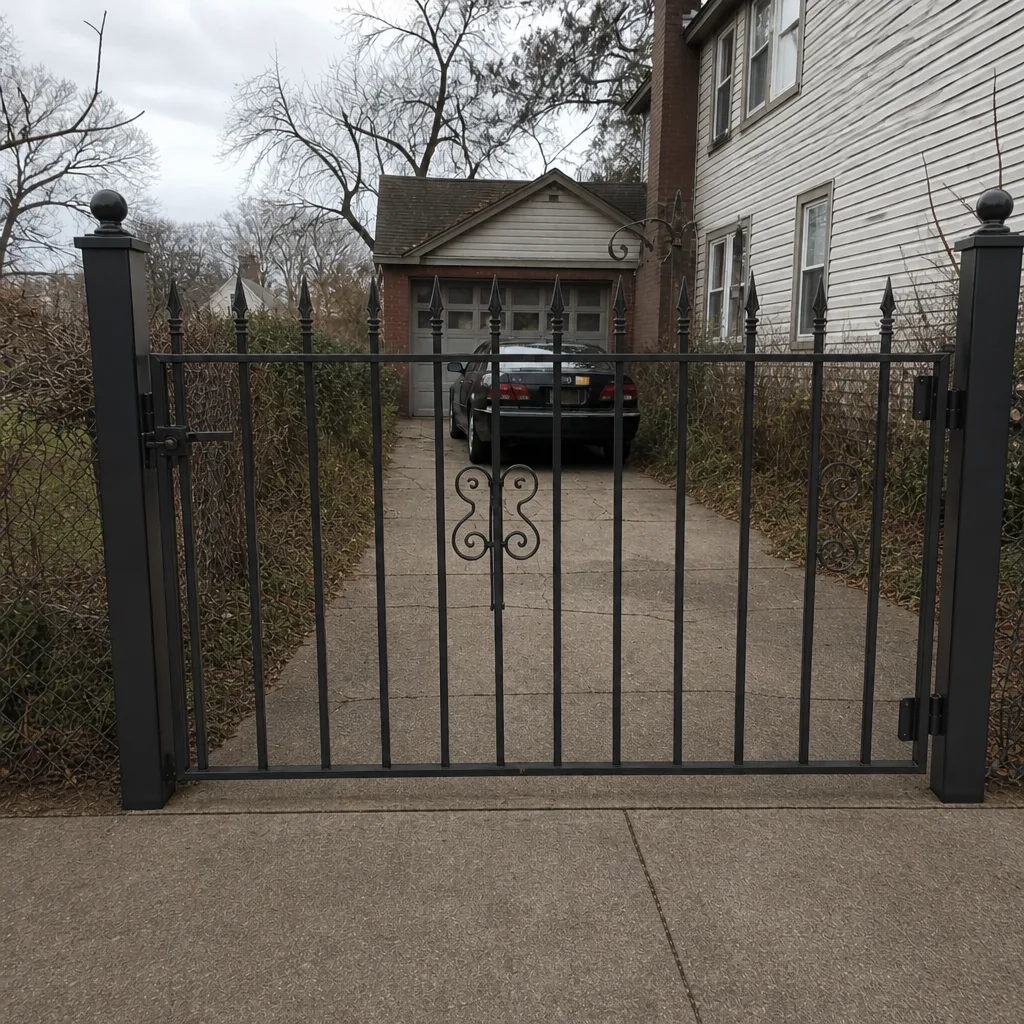
See the difference
 Before
 After
 Before
 After
 Before
 After
When to Call a Professional
Some gate problems are fine to handle on your own; others aren’t worth the risk. Call us if any of the following is true: the gate is binding, dragging, or reverses without a clear cause; the battery backup fails a deliberate load test; the operator is straining against ice or snow; the hydraulic system is weeping or the gate travels slowly in hot weather; the control board is throwing intermittent faults or the access controller is misbehaving; or the post or footing has shifted. Those are all technician work, and the longer they sit, the more they cost to put right. Rochester Gate Repair offers free estimates in Rochester. Call (866) 942-8010 for a free estimate. We answer 24/7. Fast dispatch from 7am to 7pm, Sunday through Friday.
Frequently Asked Questions
At minimum, plan two passes a year: one in November before the ground freezes and one in March after the thaw. If your gate is powered, a mid-winter check of the battery backup and a summer check of the operator bring it to four. Gates on high-cycle commercial systems (like DoorKing access-controlled entries on a building with a lot of traffic) usually benefit from a professional visit on top of the homeowner’s checks. Call (866) 942-8010 to schedule a service visit – estimates are free.
Yes for hinges, pivots, and rollers, using the product your operator manual specifies. No for the slide gate track or any exposed metal on a slide gate, where light oils and greases cause more harm than good in Rochester winters. And never use WD-40 as a long-term lubricant on any moving metal surface. Call (866) 942-8010 if you’re not sure which product your operator takes – we’ll confirm the spec.
Swing gate winterizing is mostly about hinges, pivot pins, latch, and the operator arm pivot, plus checking the post footing before freeze-up. Slide gate winterizing is mostly about the track: clearing debris, keeping the track dry (not oiled), and checking rollers and rack-and-pinion grease. Both need a battery backup test and a torque check on hardware before freeze-up. Call (866) 942-8010 for an exact quote on a winterization visit – estimates are free.
Cold weather does three things: it reduces battery capacity (so marginal batteries fail), it makes lubricants more viscous (so moving parts drag), and it freezes water in seams and tracks (so ice becomes a mechanical obstacle). Gates that get the November pass and the mid-winter battery check fail far less in Rochester winters than gates that don’t. If your gate has already failed this winter, call (866) 942-8010 – we can diagnose whether it’s a battery, an operator, or a mechanical bind.
No. Hydraulic pressure adjustment requires the right gauge and the manufacturer’s spec for your specific operator model. Getting it wrong damages the operator, and it can cause the gate to move unpredictably, which is a genuine safety issue. That’s a technician task. Call (866) 942-8010 for a free estimate on a hydraulic service visit – estimates are free.
We work on your brand if it’s LiftMaster, FAAC, BFT, Linear, Viking, Ghost Controls, DoorKing, Elite, or Mighty Mule. That covers both residential openers (Mighty Mule, Ghost Controls, Elite) and commercial access systems (FAAC, BFT, DoorKing), so we can support you whether you’re a homeowner or a property manager. Call (866) 942-8010 for a free estimate – estimates are free.
The Bottom Line
Gate maintenance is a calendar, not a single annual task. In Rochester that calendar runs four passes: November to seal and torque before the freeze, January to test the battery backup and manage ice load, March to check for post-thaw damage and refresh lubrication, and summer to look at heat effects on hydraulics and control boards. Lubrication is seasonal and product-specific: grease hinges, keep the slide track dry, skip the WD-40. Anything touching hydraulic pressure, control boards, firmware, or the electrical feed belongs with a technician. Our technicians have up to 10 years of experience, and we’re gate-only specialists across repair, electric gate repair, and installation, so whether you need a maintenance visit or a repair, we’re the call.
Call Rochester Gate Repair at (866) 942-8010 for a free estimate. We answer 24/7. Fast dispatch from 7am to 7pm, Sunday through Friday.
Written by the team at Rochester Gate Repair.